
You Filed SR-22 and DDS Rejected It
You completed your DUI suspension period, paid the $200 reinstatement fee, obtained what your carrier called SR-22 insurance, and submitted your reinstatement application to Georgia DDS. Three weeks later DDS sends a letter: filing rejected, reason code indicates improper certificate type. Your carrier insists they filed the SR-22. DDS insists what they received was an SR-22A, which does not satisfy Georgia's vehicle-owner reinstatement requirement.
The confusion stems from a structural reality most carriers do not explain upfront: SR-22 and SR-22A are distinct filing forms recognized by Georgia DDS, each tied to different ownership scenarios. When you own a vehicle and need reinstatement after DUI, Georgia requires the vehicle-attached SR-22 form. When you do not own a vehicle and need proof of financial responsibility, carriers file the non-owner SR-22A form instead. Filing the wrong form restarts your reinstatement timeline from zero.
Compare car insurance rates in your state
Get quotes from licensed carriers — no obligation, no spam, results in minutes.
Get Your Free QuoteGeorgia DUI Reinstatement Fee
$200
Georgia charges this flat fee for DUI-related license reinstatement under O.C.G.A. § 40-5-63. The fee is non-refundable even when DDS rejects your SR-22 filing for incorrect form type, forcing you to refile and wait another processing cycle.
Georgia Department of Driver Services, O.C.G.A. § 40-5-63
What SR-22 and SR-22A Forms Actually Cover
An SR-22 filing is a certificate of financial responsibility your carrier submits electronically to Georgia DDS proving you carry at least the state minimum liability coverage: $25,000 per person for bodily injury, $50,000 per accident for bodily injury, and $25,000 for property damage. The SR-22 form attaches to a specific vehicle you own and insure. Georgia DDS uses this form to verify that the vehicle registered in your name carries continuous liability coverage throughout your three-year filing period.
An SR-22A filing proves you carry non-owner liability coverage meeting the same state minimums, but it attaches to you as a driver rather than to a specific vehicle. Carriers issue SR-22A forms when you need proof of financial responsibility but do not own or register a vehicle. The form certifies that you carry coverage for any vehicle you drive, borrowed or rented, but it does not tie to a VIN or registration record in the DDS system.
Georgia DDS reinstatement requirements specify which form type your situation demands. For DUI convictions where you own and register a vehicle, DDS requires the vehicle-attached SR-22 form because the state monitors continuous coverage on that registered vehicle. For drivers who do not own a vehicle but still need proof of financial responsibility to lift certain administrative holds, DDS accepts the SR-22A non-owner form. Filing the form your carrier finds easier to underwrite does not satisfy the form DDS requires for your ownership status.
Georgia DDS will not process your reinstatement application if the SR-22 form type does not match your vehicle ownership status—carriers cannot substitute SR-22A when DDS requires SR-22.
When Georgia DDS Requires Each Form Type
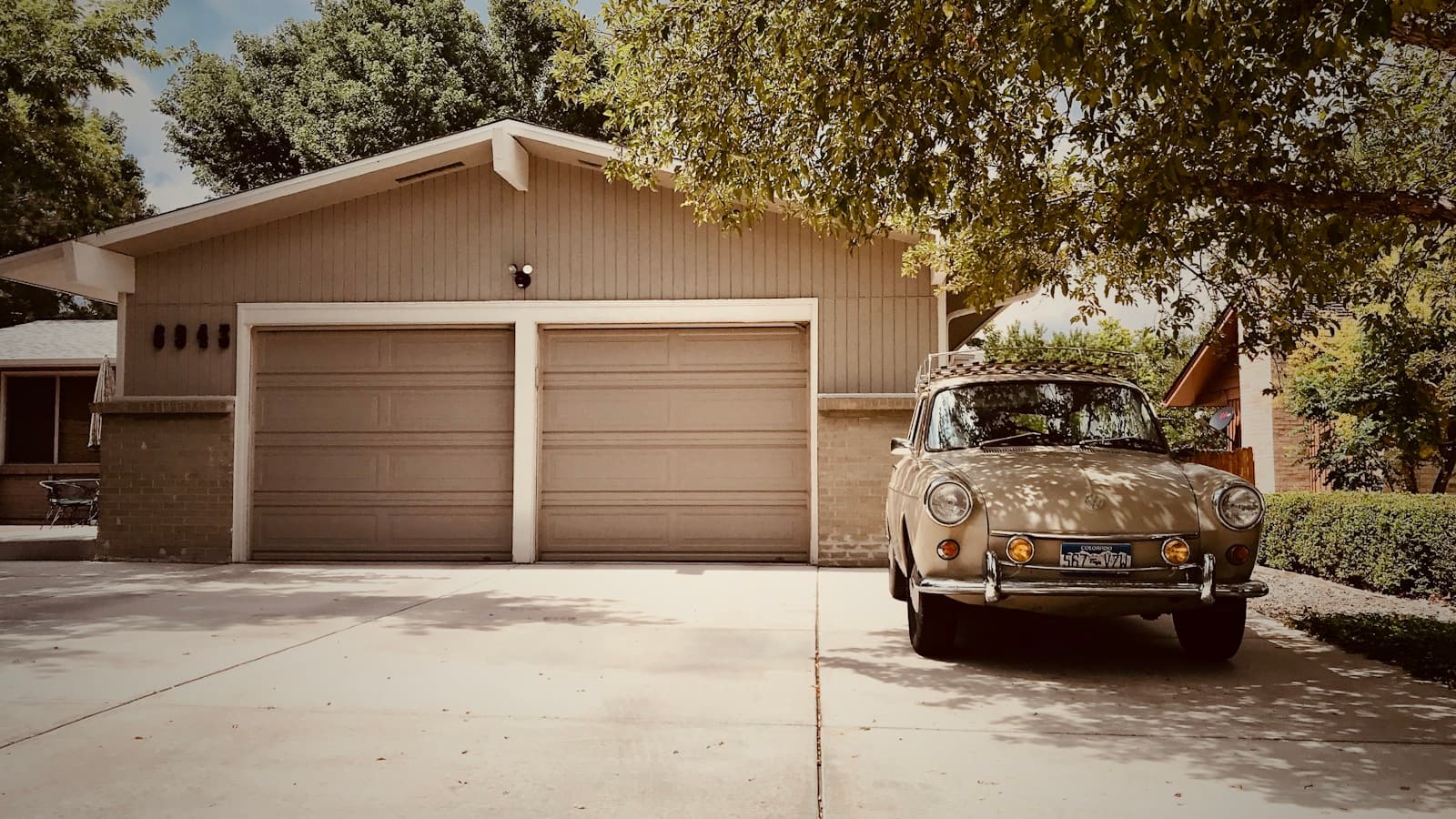
Georgia DDS requires vehicle-attached SR-22 filing when you own and register a vehicle at the time of reinstatement, regardless of whether the DUI occurred in that vehicle or a different one. Ownership is determined by the Georgia title and registration record on file with DDS. If your name appears on the title or registration of any vehicle at reinstatement, DDS requires SR-22 attached to that vehicle's VIN. The requirement extends through the entire three-year filing period: if you sell that vehicle and purchase another during the filing window, you must transfer the SR-22 to the new vehicle within 10 days or DDS will suspend your license again for lapse.
Georgia DDS accepts non-owner SR-22A filing only when you do not own or register any vehicle in Georgia at the time of reinstatement and throughout the three-year filing period. The SR-22A form satisfies the proof-of-financial-responsibility requirement for drivers who rely exclusively on borrowed, rented, or employer-provided vehicles. If you purchase and register a vehicle at any point during your SR-22A filing period, you must immediately convert to vehicle-attached SR-22 filing on that new vehicle or face administrative suspension for operating without proper proof tied to your registration.
Related Articles




Why Carriers File the Wrong Form
Non-standard carriers writing Georgia DUI reinstatement policies often default to SR-22A filings because non-owner policies carry simpler underwriting: no vehicle valuation, no collision or comprehensive exposure, no lien holder coordination. When you call for a quote and mention DUI reinstatement, the agent quotes a non-owner policy with SR-22A filing because it produces faster approval and lower initial premium than a vehicle-attached policy with full SR-22.
The agent may not ask whether you own a vehicle, or may assume that because you are calling for non-owner coverage you must not own one. You accept the quote, the carrier files SR-22A electronically to DDS, and you submit your reinstatement application believing the filing is complete. DDS receives the SR-22A filing, cross-references it against your vehicle registration record, discovers the mismatch, and rejects your reinstatement application with a form-type error code.
Some carriers will catch the mismatch during underwriting review and contact you to convert the policy from non-owner SR-22A to vehicle-attached SR-22 before filing. Others do not perform this verification step and file whatever form the policy type generates. By the time you discover the rejection, you have already paid premium for a policy that does not satisfy your reinstatement requirement. Converting to the correct form requires canceling the non-owner policy, applying for a vehicle-attached policy, and waiting for the carrier to file the corrected SR-22 form—a process that typically adds three to six weeks to your reinstatement timeline.
Georgia DUI SR-22 Filing Period
3 years
Georgia requires continuous SR-22 or SR-22A filing for three years following DUI reinstatement, measured from the reinstatement date. Any lapse in filing—including lapses caused by filing the wrong form type initially—triggers automatic re-suspension and restarts the three-year clock from the date you correct the filing and reinstate again.
Georgia Department of Driver Services
How to Ensure Your Carrier Files the Correct Form
Before purchasing any policy marketed as SR-22 coverage, verify with the carrier which specific form type they will file to Georgia DDS: SR-22 or SR-22A. Ask directly whether the policy is vehicle-attached or non-owner. If you own and register a vehicle in Georgia, confirm the policy will attach to that vehicle's VIN and the carrier will file the vehicle-attached SR-22 form. If the agent cannot answer definitively or uses the terms interchangeably, escalate to underwriting before purchasing.
Review your Georgia vehicle registration record before applying for coverage. Log into the Georgia DDS online portal or visit a DDS customer service center to confirm which vehicles are currently titled or registered in your name. If any vehicle appears on your registration record, you must obtain vehicle-attached SR-22 filing on that vehicle to satisfy reinstatement requirements, even if you do not currently drive it or plan to sell it. Selling the vehicle before reinstatement and confirming the title transfer is recorded with DDS allows you to pursue non-owner SR-22A filing instead, but the registration record must show zero vehicles at the time of filing.
Correcting a Rejected SR-22A Filing
If Georgia DDS rejected your reinstatement application due to SR-22A filing when you own a registered vehicle, contact your current carrier immediately to determine whether they can convert your existing policy to vehicle-attached coverage and refile as SR-22. Some non-standard carriers writing non-owner policies do not underwrite vehicle-attached policies at all and will require you to cancel and seek coverage elsewhere. Others will convert the policy mid-term, re-underwrite based on your vehicle details, adjust premium, and file the corrected SR-22 form within five to seven business days.
If your carrier cannot convert, you must shop for a new carrier willing to write vehicle-attached SR-22 coverage on your vehicle. Provide your vehicle's year, make, model, VIN, and current odometer reading during the quote process, and confirm before binding that the carrier will file vehicle-attached SR-22 to Georgia DDS. Once the new carrier files SR-22, verify receipt through the Georgia DDS online portal under the Insurance Compliance section. The SR-22 filing must show your vehicle's VIN and reflect an effective date matching or preceding your reinstatement application date. Only after DDS confirms receipt of the correct form type can you resubmit your reinstatement application.
Expect premium for vehicle-attached SR-22 coverage to run higher than the non-owner SR-22A policy you initially purchased. Non-owner policies for Georgia DUI reinstatement typically cost $35 to $65 per month. Vehicle-attached policies with full liability and SR-22 filing for the same driver profile typically cost $85 to $140 per month, depending on vehicle value, county, and whether you add optional collision or comprehensive coverage. The premium difference reflects the carrier's increased exposure underwriting a specific vehicle rather than incidental liability only.