
Insurance During Suspension Depends on What Suspended You
You're suspended in Georgia and trying to figure out if you need insurance right now or only when you reinstate. The answer splits cleanly by suspension trigger: if a DUI suspended you, Georgia requires continuous SR-22 filing from conviction through three years post-reinstatement—meaning you need coverage immediately even while suspended. If points, unpaid tickets, child support arrears, or failure to appear suspended you, Georgia does not require insurance during the suspension period itself. You'll need liability coverage to reinstate and drive again, but the state does not mandate filing or continuous coverage while your license sits suspended.
This structural distinction confuses most suspended drivers because Georgia's Limited Driving Permit program adds a second layer: if you're pursuing a court-issued LDP for work or medical driving during suspension, SR-22 filing becomes mandatory regardless of your original trigger. The court will not issue the permit without proof of SR-22 on file with DDS. That requirement exists even for suspensions that would not otherwise need SR-22—points, unpaid fines, uninsured violations. The permit creates the SR-22 obligation; the underlying suspension trigger alone does not.
Compare car insurance rates in your state
Get quotes from licensed carriers — no obligation, no spam, results in minutes.
Get Your Free QuoteGeorgia Reinstatement Fee
$200
Applies to most insurance-related suspensions including uninsured motorist violations. DUI reinstatements carry separate court-imposed fees on top of the DDS base fee, and habitual violator designations trigger higher amounts.
Georgia Department of Driver Services fee schedule
Non-Standard Carriers Write Suspended Drivers
Standard-tier carriers—State Farm, Allstate, GEICO for preferred-risk books—will not quote you while suspended. They underwrite to clean-record drivers and treat active suspension as an automatic declination. You're shopping the non-standard market: carriers built specifically to write high-risk drivers, suspended licenses, DUI convictions, and SR-22 filings. These carriers price higher because their entire book carries elevated risk, but they will write your policy where standard carriers legally cannot.
Georgia's non-standard market includes Acceptance, Bristol West, Dairyland, Direct Auto, GAINSCO, Infinity, The General, and several regional writers. Each prices suspended-driver risk differently. Acceptance and GAINSCO write DUI-suspended drivers aggressively and offer non-owner SR-22 policies for drivers without a vehicle. Bristol West writes broadly across suspension types but requires broker placement in some counties. Direct Auto operates storefront locations across Georgia and writes same-day policies for suspended drivers needing immediate SR-22 filing. Dairyland writes non-owner policies nationwide and maintains competitive rates for drivers whose suspension did not involve DUI.
Progressive and GEICO will write post-suspension policies once your license reinstates, but neither writes active suspensions in Georgia. National General writes some suspended-driver cases through independent agents but declines DUI suspensions with BAC above .15. The pricing spread between the cheapest and most expensive non-standard quote for the same suspended driver in the same ZIP often exceeds $100 per month—comparison is not optional.
Georgia suspended drivers face a non-standard market where the pricing spread between carriers writing your case exceeds $100/month for identical coverage.
How Non-Owner SR-22 Policies Work for Suspended Drivers

A non-owner policy provides liability coverage when you drive a vehicle you do not own: a borrowed car, a rental, a vehicle titled to a family member. It does not cover a vehicle titled or registered in your name—if you own the car, you need a standard owner policy even while suspended. The SR-22 filing attaches to the non-owner policy exactly as it would to an owner policy; DDS receives continuous proof-of-insurance filing, satisfying the SR-22 mandate without the cost of insuring a specific vehicle. Non-owner policies carry lower premiums because they cover only your liability exposure, not collision or comprehensive damage to a vehicle you don't own.
Georgia suspended drivers using non-owner SR-22 typically pay $40–$80 per month depending on the suspension trigger, county, and age. DUI-suspended drivers pay the higher end of that range; points-accumulation or uninsured-violation suspensions fall lower. The policy term runs continuously—cancellation for non-payment triggers an SR-22 lapse notice to DDS, which immediately re-suspends your license and restarts the SR-22 clock at zero. Once you buy or register a vehicle in your name, you must convert the non-owner policy to a standard owner policy within 30 days or face an SR-22 lapse for material misrepresentation.
Related Articles





Limited Driving Permit Adds SR-22 Requirement to All Suspension Types
Georgia's court-issued Limited Driving Permit allows restricted driving during suspension for work, school, medical appointments, court-ordered programs, and other essential purposes approved by the judge. The LDP is not a reinstatement—it's a paper permit you carry alongside your suspended license authorizing driving only within the court-defined restrictions. To obtain an LDP, you petition the Superior Court in your county of residence; DDS does not issue LDPs administratively. The court evaluates your petition, determines whether your need justifies restricted driving, and if approved issues the permit with specific route and time restrictions.
Every LDP issued in Georgia requires SR-22 filing on file with DDS before the court signs the permit. This creates an SR-22 obligation for suspension types that would not otherwise require it: if you're suspended for points accumulation and petition for an LDP, the court mandates SR-22 even though points suspensions alone do not trigger SR-22 under Georgia law. DUI-suspended drivers already face the SR-22 requirement from the conviction; the LDP simply continues that existing mandate. For non-DUI suspensions, the LDP petition is the moment you must secure SR-22 coverage. The filing must remain active for the entire LDP period—typically the remaining suspension duration—or the permit automatically revokes and your suspension resumes in full.
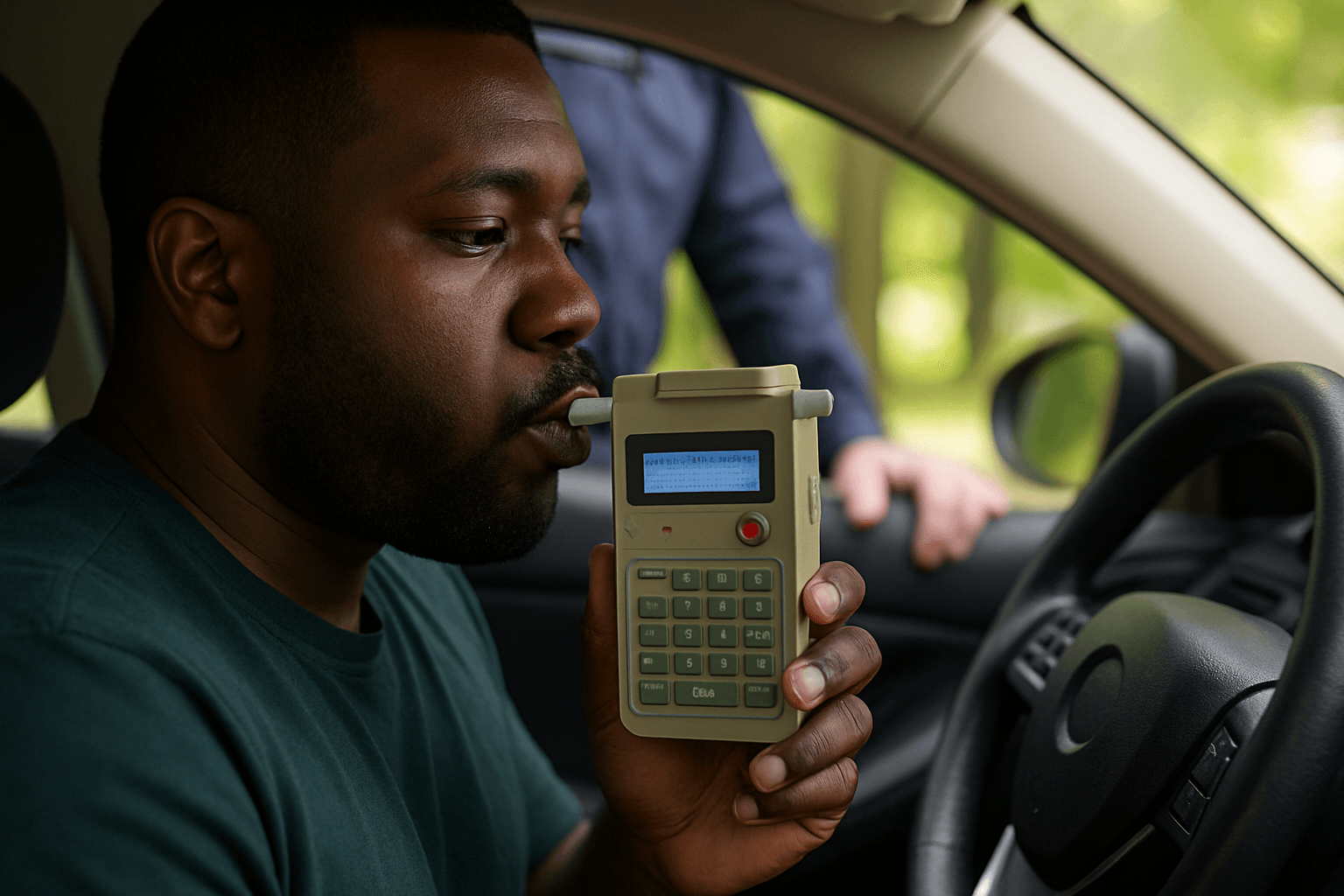
Georgia's 2024 Ignition Interlock Limited Driving Permit reform (HB 205, effective July 1, 2024) created a parallel DUI-specific track allowing DUI arrestees to elect an IID-equipped permit immediately without waiting through the administrative license suspension hearing process. This IILDP pathway still requires SR-22 on file with DDS and mandates ignition interlock device installation on any vehicle the driver operates. The IILDP does not shorten the overall suspension period; it allows earlier restricted driving in exchange for IID compliance and continuous SR-22 filing. Violation of IILDP terms—failed IID tests, driving outside permitted hours, driving a non-IID vehicle—triggers immediate permit revocation and reinstatement of the full suspension with no further LDP eligibility.
Georgia SR-22 Filing Period
3 years
Measured from reinstatement date for DUI suspensions, not conviction date. Canceling SR-22 coverage before the three-year period ends triggers automatic re-suspension and restarts the clock at zero, adding months or years to total time under filing.
Georgia SR-22 statute O.C.G.A. § 40-9-36
What Reinstating Your Georgia License Actually Costs
The $200 base reinstatement fee applies to insurance-related suspensions—uninsured motorist violations, lapsed registration tied to coverage gaps. DUI reinstatements stack court-imposed fees, mandatory DUI Risk Reduction Program costs (approximately $350 for the state-approved course), and potential ignition interlock device lease fees ($70–$150 per month during the IID-mandated period, which runs 12 months minimum for first DUI). Habitual Violator designations under O.C.G.A. § 40-5-58—triggered by accumulating 15 points in 24 months or certain serious repeat offenses—carry higher reinstatement fees and mandatory 12-month suspension with LDP availability only after the first 120 days.
Points-accumulation suspensions require completing a DDS-approved defensive driving course before reinstatement; course cost runs $25–$80 depending on provider. Unpaid-ticket suspensions require clearing all outstanding fines and court fees before DDS will process reinstatement; there is no fee waiver or payment-plan pathway at the reinstatement stage. Child support arrears suspensions require Department of Human Services clearance certifying arrears paid or payment plan established; DDS will not reinstate without that certification regardless of fee payment. Failure-to-appear suspensions require court disposition—appearing in court, resolving the underlying case, obtaining a clearance order—before reinstatement becomes possible.
Compare Carriers Writing Your Suspension Type
The non-standard market does not price uniformly. GAINSCO writes DUI-suspended drivers in metro Atlanta at rates 20–30% below Acceptance for the same coverage; Acceptance writes rural Georgia counties more competitively than GAINSCO. Direct Auto's storefront model allows same-day in-person policy binding, which matters when you need SR-22 filed immediately for an LDP hearing next week. Dairyland writes non-owner policies nationwide with consistent underwriting; if you're suspended for points or unpaid tickets without DUI history, Dairyland often prices below DUI-specialist carriers that load all suspended drivers into the same risk tier regardless of violation severity. Bristol West requires broker placement in some counties, adding a broker fee to the quoted premium; verify total out-of-pocket cost before binding.
Request quotes specifying your exact suspension trigger, your current suspended status, and whether you need owner or non-owner coverage. Carriers price these variables independently—a non-owner quote from one carrier may fall below an owner quote from another by $60/month even when the owner quote assumes an older, lower-value vehicle. If you're pursuing an LDP, tell the agent up front; some carriers write LDP-restricted drivers at lower rates than fully-suspended drivers because the court supervision reduces risk. Get at least three quotes before binding. The savings delta between your most expensive and least expensive option will cover multiple months of premium.