
The Filing Window Most Georgia DUI Drivers Miss
You received your DUI conviction notice, you know Georgia requires an SR-22, and you called an insurance agent who told you to file immediately. That advice costs you money. Georgia's SR-22 requirement for DUI cases is triggered by your Limited Driving Permit petition in Superior Court, not by the conviction itself. Filing before the court approves your petition means paying for coverage you cannot legally use yet.
The structural reality: Georgia DDS does not issue Limited Driving Permits. Superior Court judges do, and they require proof of SR-22 filing as part of your petition packet. The SR-22 filing window opens when you prepare your court petition, not when you receive your suspension notice. This article walks the actual sequence, names the documentation your court expects, and clarifies when carriers must transmit your filing to DDS.
Compare car insurance rates in your state
Get quotes from licensed carriers — no obligation, no spam, results in minutes.
Get Your Free QuoteGeorgia SR-22 Filing Period
3 years
Georgia requires continuous SR-22 filing for 3 years following DUI conviction under O.C.G.A. § 40-5-57. The period begins from your conviction date, not your filing date. Letting coverage lapse triggers automatic re-suspension.
O.C.G.A. § 40-5-57
What SR-22 Filing Actually Does in Georgia
An SR-22 is not insurance. It is a certificate your insurance carrier files electronically with Georgia DDS proving you carry liability coverage meeting Georgia's minimum limits: $25,000 bodily injury per person, $50,000 bodily injury per accident, and $25,000 property damage. The carrier transmits this certificate to DDS within 24 to 48 hours of binding your policy.
Georgia DDS monitors your SR-22 status continuously. If your carrier cancels your policy for non-payment or you drop coverage, the carrier notifies DDS electronically within 10 days. DDS immediately suspends your license again without additional notice. The 3-year filing period does not pause during suspension — it runs from your conviction date regardless of whether you hold a Limited Driving Permit or full license during that window.
The filing itself costs $15 to $50 depending on carrier. This is a one-time administrative fee paid to your insurance company, separate from your premium. Some carriers roll the fee into your first month's payment; others bill it separately.
You cannot file an SR-22 without an active auto insurance policy. The SR-22 certificate proves coverage exists — it does not create coverage.
Court Petition Filing Sequence

Step one: wait 120 days from your DUI conviction date. Georgia law imposes a mandatory 120-day hard suspension period before you are eligible to petition for a Limited Driving Permit. Filing an SR-22 during this window accomplishes nothing because the court cannot approve your petition yet. Use this period to gather required documentation: proof of enrollment in Georgia's DUI Alcohol or Drug Use Risk Reduction Program, payment receipts for all court-ordered fines and fees, and a detailed written statement explaining your need for the permit (employment, medical appointments, court-ordered program attendance).
Step two: purchase an SR-22-compliant auto insurance policy from a carrier licensed to write SR-22 in Georgia. If you own a vehicle, this is a standard liability policy meeting Georgia's minimum limits. If you do not own a vehicle, request a non-owner SR-22 policy. The carrier files your SR-22 certificate with DDS electronically within 48 hours. You receive a paper copy or PDF proof of filing. This proof goes into your court petition packet. Superior Court judges in most Georgia counties require seeing the SR-22 proof before approving your permit, so the filing must be complete before you file your petition.
Related Articles





Petition Approval and Permit Activation
You file your petition with the Superior Court clerk in the county where your DUI conviction occurred. The petition includes your SR-22 proof, Risk Reduction Program enrollment documentation, employer letter or medical appointment records proving need, and the court filing fee (typically $50 to $150 depending on county). The judge reviews your petition at a hearing date set by the clerk, usually 2 to 4 weeks after filing.
If the judge approves your petition, the court issues a paper Limited Driving Permit specifying the purposes for which you may drive: work, school, medical appointments, court-ordered program attendance, and other essential activities as the judge defines. The permit lists the hours and routes you are restricted to. You must carry this paper permit along with your suspended license document whenever you drive.
The permit activates immediately upon issuance. Your SR-22 filing is already on record with DDS because you filed it before your court hearing. The judge's approval does not trigger a new filing requirement — the filing you submitted with your petition satisfies the requirement. Your carrier maintains the SR-22 status with DDS for the full 3-year period as long as you keep your policy active and premiums current.
Georgia License Reinstatement Fee
$200
When your full 3-year SR-22 period and any suspension period expire, you pay a $200 reinstatement fee to Georgia DDS to restore your unrestricted license. This fee is separate from the SR-22 filing fee and your insurance premiums. Payment is required before DDS will remove the suspension flag from your record.
Georgia Department of Driver Services
Ignition Interlock Pathway Option
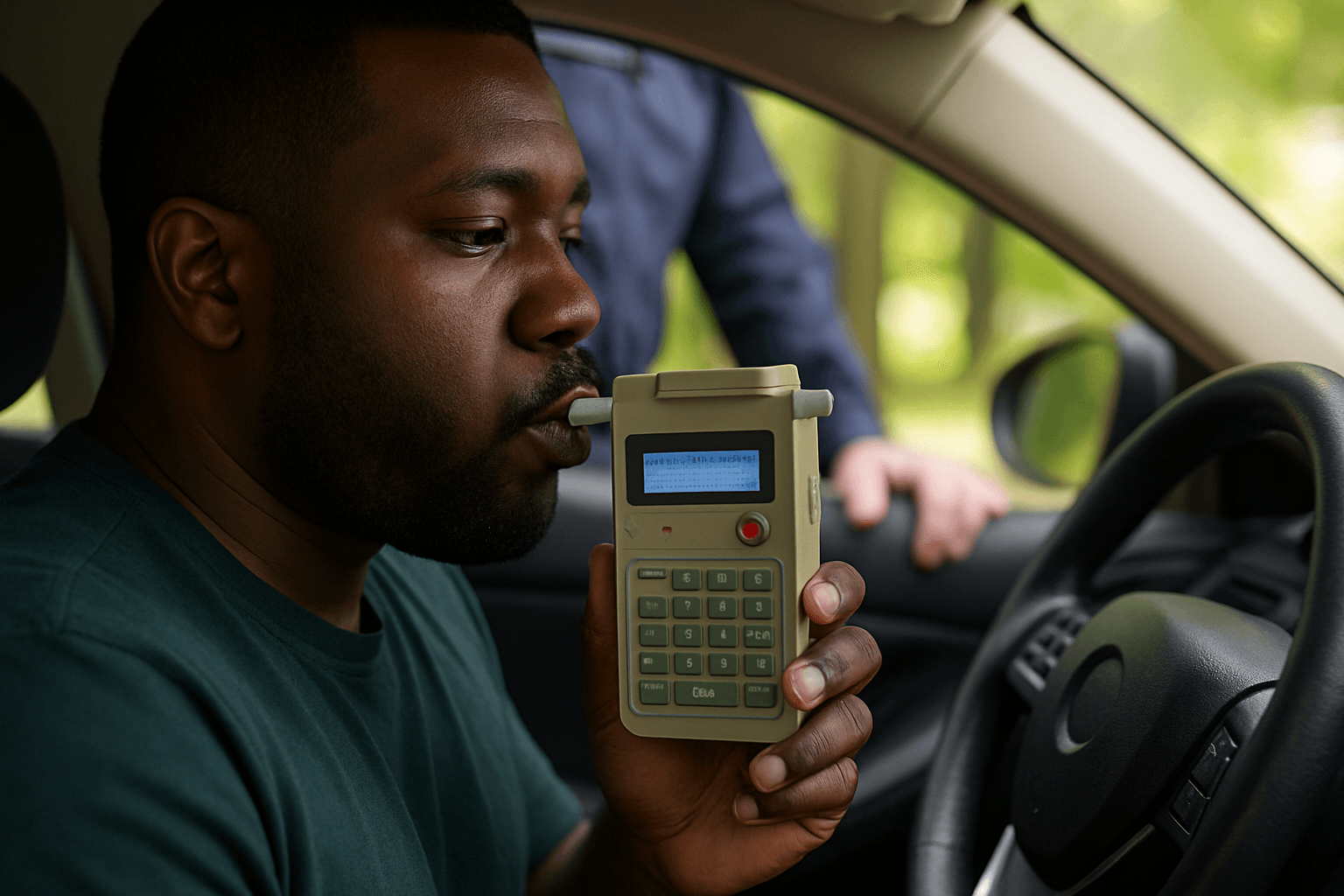
Georgia's 2024 Ignition Interlock Limited Driving Permit (IILDP) pathway allows first-offense DUI drivers to elect an ignition interlock device in exchange for immediate driving privileges, bypassing the 120-day hard suspension. If you choose this route, you still need SR-22 coverage. The IILDP is issued by DDS, not Superior Court, but the SR-22 requirement applies identically. You purchase SR-22 coverage, have an approved IID vendor install the device in your vehicle, and submit proof of both to DDS when applying for the IILDP.
The IILDP track shortens your timeline to legal driving but requires maintaining the IID for 12 months minimum. Your SR-22 filing period still runs 3 years from conviction. The device logs every ignition event and transmits data to DDS monthly. Violations — failed breath tests, tampering, missed calibration appointments — trigger automatic permit revocation. Most drivers find the IILDP cost-prohibitive (device rental runs $75 to $150 per month plus installation and calibration fees) and opt for the traditional Limited Driving Permit after completing the 120-day hard suspension instead.
Maintain Filing or Face Immediate Re-Suspension
Your SR-22 filing obligation lasts exactly 3 years from your DUI conviction date. If you let your insurance policy lapse at any point during those 3 years — even one day — your carrier notifies DDS electronically and DDS suspends your license again within 10 days. There is no grace period. Reinstatement after an SR-22 lapse requires purchasing a new policy, filing a new SR-22, paying the $200 reinstatement fee again, and restarting your filing clock from zero.
Mark your 3-year anniversary on your calendar. When the period expires, contact your insurance agent and request removal of the SR-22 filing requirement from your policy. Most carriers reduce your premium once the SR-22 obligation ends because you are no longer classified as high-risk. DDS does not notify you when your filing period is complete — tracking the date is your responsibility. After removal, compare rates with other carriers to ensure you are not overpaying for post-SR-22 coverage.
Get SR-22 Coverage Before Your Petition Hearing
Start by requesting SR-22 quotes from carriers licensed to write non-standard auto insurance in Georgia: Acceptance, Bristol West, Dairyland, Direct Auto, GAINSCO, Geico, Infinity, Kemper, National General, Progressive, State Farm, and The General all file SR-22 in Georgia. Tell the agent you need coverage for a DUI-related Limited Driving Permit petition. If you do not own a vehicle, specify that you need a non-owner SR-22 policy. The agent will quote a policy meeting Georgia's minimum liability limits and add the SR-22 filing fee.
Bind the policy and request proof of SR-22 filing in writing. Most carriers email a PDF certificate within 24 hours showing your name, policy number, coverage effective date, and confirmation that the SR-22 was transmitted to Georgia DDS. Print this certificate and include it in your Superior Court petition packet. Once your petition is approved and your permit is active, your SR-22 filing handles the DDS compliance requirement automatically for the next 3 years as long as you keep the policy active.