
The 30-Day Window Georgia DUI Arrestees Actually Face
Georgia's Administrative License Suspension (ALS) system gives you 30 calendar days from your DUI arrest date to request a hearing or install an ignition interlock device and file SR-22 proof of insurance. Miss that window and your license suspends automatically for 12 months with no driving privileges during the first 120 days. The confusion most arrestees face: you were told SR-22 can be filed "same day," but when you called carriers this morning, three quoted 24-48 hours, two said 3-5 business days, and one said they'd process it today but couldn't guarantee when it would reach DDS.
The distinction Georgia drivers miss: SR-22 processing happens in two stages. Stage one is the carrier generating the filing and transmitting it electronically to the Georgia Department of Driver Services. Stage two is DDS receiving that transmission, clearing it through their system, and updating your driver record to show proof of insurance on file. You cannot apply for the Ignition Interlock Limited Driving Permit (IILDP) until stage two completes. Calling a carrier at 9 AM and getting "we'll file it today" does not mean you can walk into a DDS office at 2 PM with permit eligibility—it means the carrier will transmit today, DDS will process within 24-72 hours after receipt, and your eligibility starts when the system updates.
Compare car insurance rates in your state
Get quotes from licensed carriers — no obligation, no spam, results in minutes.
Get Your Free QuoteGeorgia SR-22 Filing Window
1-5 business days
Most carriers writing high-risk Georgia auto policies transmit SR-22 filings electronically within 1-5 business days of policy binding. DDS system clearance adds an additional 24-72 hours after transmission before the filing appears on your driver record as proof of insurance.
What SR-22 Filing Actually Does in Georgia DUI Cases
SR-22 is not insurance. It is a certificate your insurance carrier files electronically with DDS certifying that you carry at least Georgia's minimum liability coverage: $25,000 per person for bodily injury, $50,000 per accident for bodily injury, and $25,000 for property damage. The filing itself costs a one-time carrier fee set by the insurer. Your premium reflects the fact that you now qualify as high-risk due to the DUI arrest, but that premium is the cost of the underlying liability policy—not the SR-22 filing.
Georgia requires SR-22 filing for three years from your DUI conviction date if you are convicted. If charges are reduced or dismissed, the SR-22 requirement may be lifted, but that determination happens in court—not automatically. While your case is pending, you still need SR-22 on file to qualify for the IILDP under Georgia's HB 205 reform, which allows DUI arrestees to elect ignition interlock driving privileges immediately rather than serving a hard suspension period.
The structural reality most drivers miss: SR-22 filing is required before you can apply for the IILDP, but the IILDP itself is not a hardship license in the traditional sense. It is a DDS-issued permit that allows you to drive any vehicle equipped with an ignition interlock device for any purpose—not restricted to work, school, or medical appointments like older hardship programs. You're trading unrestricted driving for IID-equipped driving, and the tradeoff requires SR-22 proof on file before DDS will process your permit application.
DDS will not accept your IILDP application until SR-22 proof clears their system. Carrier confirmation that they transmitted the filing is not the same as DDS confirmation that it posted to your record.
How to Compress the SR-22 Filing Timeline

Start by calling carriers that explicitly advertise SR-22 filing for Georgia DUI cases: Dairyland, GAINSCO, Bristol West, The General, Direct Auto, Geico (non-owner policies), and Progressive (non-owner policies). Ask two questions: how many business days from policy binding to SR-22 transmission, and how many additional days until DDS system clearance. The first question gets you carrier processing speed; the second gets you whether the carrier tracks DDS receipt or just assumes it clears within the standard window. Carriers that track DDS clearance actively can tell you when your filing actually posted, not just when they sent it.
If you do not currently own a vehicle, a non-owner SR-22 policy satisfies Georgia's requirement and typically costs less than a standard policy because there is no vehicle to insure—only liability coverage. Geico, Progressive, Dairyland, GAINSCO, and The General all write non-owner SR-22 policies in Georgia. Processing timelines are identical to standard policies. Non-owner SR-22 allows you to apply for the IILDP even without a car, then drive any IID-equipped vehicle once the permit is issued. This is the pathway for arrestees who sold their vehicle after the DUI or who cannot afford both a vehicle payment and high-risk insurance premiums immediately.
Related Articles




The ALS Hearing Window and Why It Compounds the Filing Urgency
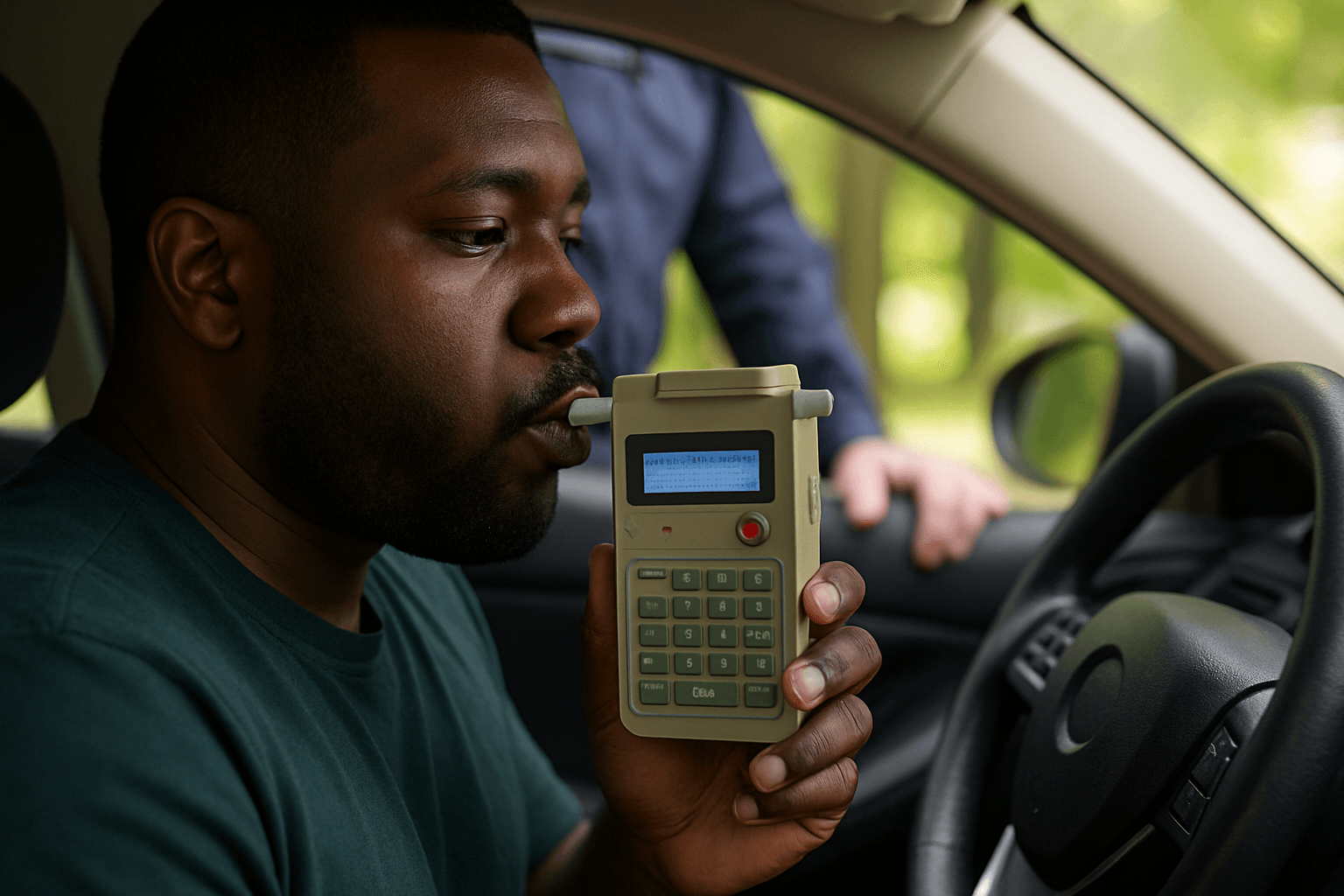
Georgia's ALS system operates independently of the criminal DUI case in court. When you were arrested, the arresting officer confiscated your physical license and issued a 30-day temporary driving permit. That permit expires 30 days from the arrest date. You have until that expiration to either request an ALS hearing (which temporarily stays the suspension until the hearing resolves) or elect the IILDP pathway by installing an ignition interlock device and filing SR-22 proof with DDS.
If you choose the ALS hearing route and win, the suspension is lifted and SR-22 is no longer required unless your criminal case later results in a DUI conviction. If you lose the ALS hearing, the suspension begins immediately and lasts 12 months, with no driving privileges for the first 120 days unless you had already elected the IILDP pathway before the hearing. Most Georgia DUI defense attorneys recommend electing the IILDP pathway before the ALS hearing even if you plan to contest the suspension, because the IILDP allows unrestricted IID-equipped driving immediately while the hearing is pending, and if you lose the hearing, the IILDP remains in effect without interruption.
The 30-day countdown starts on your arrest date, not the date you called an insurance carrier. If you were arrested on a Thursday and you call a carrier the following Monday, you have 26 days remaining. If the carrier takes 5 business days to transmit the SR-22 and DDS takes 48 hours to clear it, you have used 7-8 days of your 30-day window. That leaves 18-19 days to schedule an IID installation appointment, complete the installation, obtain the IID compliance certificate from the vendor, and submit your IILDP application to DDS with all required documentation. Georgia does not extend the 30-day window for carrier processing delays.
Georgia DUI Reinstatement Fee
$200
Georgia charges a $200 reinstatement fee for DUI-related suspensions, separate from SR-22 filing fees and IID installation costs. This fee is paid to DDS when you apply for full license reinstatement after completing the suspension period and all court-ordered programs.
Georgia Department of Driver Services
What Happens If SR-22 Filing Misses the 30-Day Window
If you do not file SR-22 and elect the IILDP pathway within 30 days of your arrest, your license suspends automatically under ALS and you enter a 12-month suspension period with a 120-day hard suspension during which no driving is permitted under any circumstances. After the 120-day hard period, you become eligible to apply for a Limited Driving Permit through Superior Court, but that permit is court-issued, not DDS-issued, and is restricted to specific approved purposes such as work, school, medical appointments, and court-ordered programs. It does not allow unrestricted driving like the IILDP does.
The court-issued Limited Driving Permit also requires SR-22 filing, but the timeline is no longer urgent because you have already served the hard suspension and the court controls permit issuance, not DDS. The cost differential: applying for the IILDP within the 30-day window avoids the 120-day hard suspension entirely and allows you to drive for any purpose immediately with an IID-equipped vehicle. Missing the window forces you through the 120-day no-driving period, after which you can apply for a court permit that restricts your driving to approved purposes only, even with an IID installed.
Compare Georgia SR-22 Carriers Now to Preserve the 30-Day Window
The carriers listed in the data layer above write SR-22 policies for Georgia DUI arrestees and process filings within the 1-5 business day range DDS recognizes. Call at least three to compare processing timelines and premium quotes. Ask each carrier explicitly when they will transmit the SR-22 to DDS and when they expect DDS clearance to complete. Binding a policy today with a carrier that transmits in 5 business days still leaves you time to complete IID installation and IILDP application before the 30-day window closes, but binding a policy on day 25 with a 5-day transmission window does not. The reinstatement fee, the IID installation cost, and the ongoing IID monthly monitoring fees are fixed expenses you cannot avoid. The only variable you control is how quickly SR-22 proof reaches DDS, and that variable depends entirely on which carrier you choose and when you bind the policy.