The Accident Happened — Now What
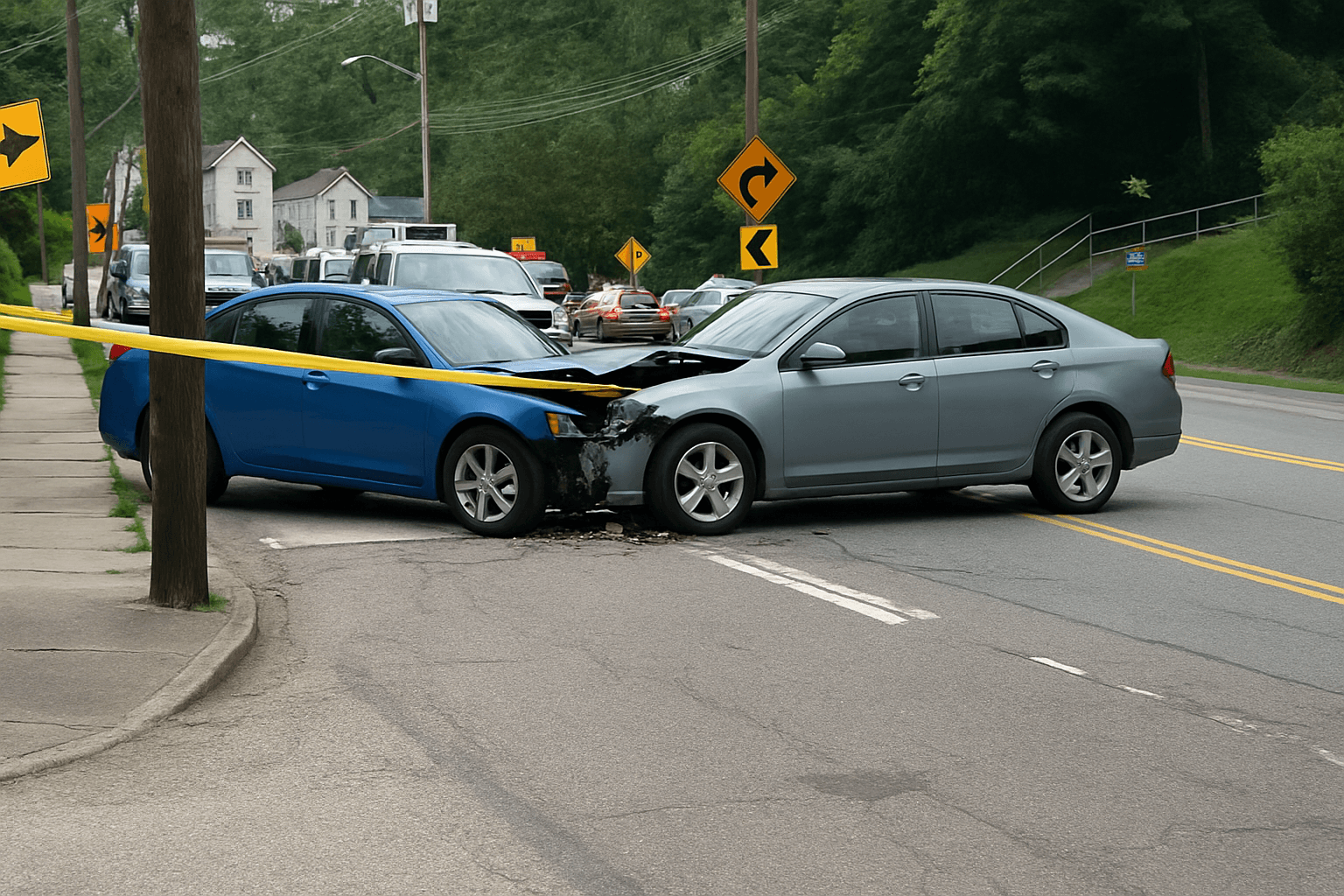
You caused an accident in Georgia. The other driver's vehicle is damaged, maybe someone was injured, and you received a citation at the scene. Now you're trying to figure out whether you need SR-22 insurance, and every search result talks about DUIs when your situation was a collision. The confusion is structural: the accident itself does not trigger SR-22 filing in Georgia. The conviction that follows the citation does.
Georgia SR-22 requirements are conviction-triggered, not fault-triggered. If your accident citation results in a conviction for DUI, reckless driving, driving without insurance, or certain other serious violations, the Georgia Department of Driver Services will require SR-22 filing for three years. If your citation was a standard traffic infraction with no license suspension attached, SR-22 is not required. The accident report and the insurance claim are separate from the SR-22 pathway entirely.
Compare car insurance rates in your state
Get quotes from licensed carriers — no obligation, no spam, results in minutes.
Get Your Free QuoteGeorgia SR-22 Filing Period
3 years
Georgia requires continuous SR-22 filing for three years following most suspension-triggering convictions, including DUI, uninsured driving violations, and reckless driving. The period begins on your reinstatement date, not your conviction date.
Georgia Department of Driver Services reinstatement requirements
What Actually Triggers SR-22 in Georgia
SR-22 filing is required when your conviction carries a license suspension and Georgia DDS orders proof of financial responsibility as a condition of reinstatement. The most common triggers: DUI conviction, driving without insurance, reckless driving, accumulating too many points in a short window, or causing an accident while uninsured. Your accident only triggers SR-22 if the citation you received falls into one of these categories and results in conviction.
A standard at-fault collision with a minor traffic citation does not require SR-22. If you were cited for failure to yield, following too closely, or improper lane change and your license was not suspended, you do not need SR-22 filing. Your insurance rates will increase because of the at-fault claim, but that rate adjustment is separate from any SR-22 requirement. The SR-22 pathway activates only when DDS suspends your license and mandates proof of insurance as part of reinstatement.
The conviction code determines everything. Georgia DDS maintains a list of suspension-triggering violations. If your citation converts to one of those convictions in court, your suspension notice from DDS will explicitly state whether SR-22 is required. If the suspension notice does not mention SR-22 or proof of financial responsibility, you do not need it regardless of the accident severity.
Your accident citation has not yet converted to a conviction. The SR-22 requirement depends entirely on what happens in court, not what happened at the scene.
Court Outcome Determines Filing Path
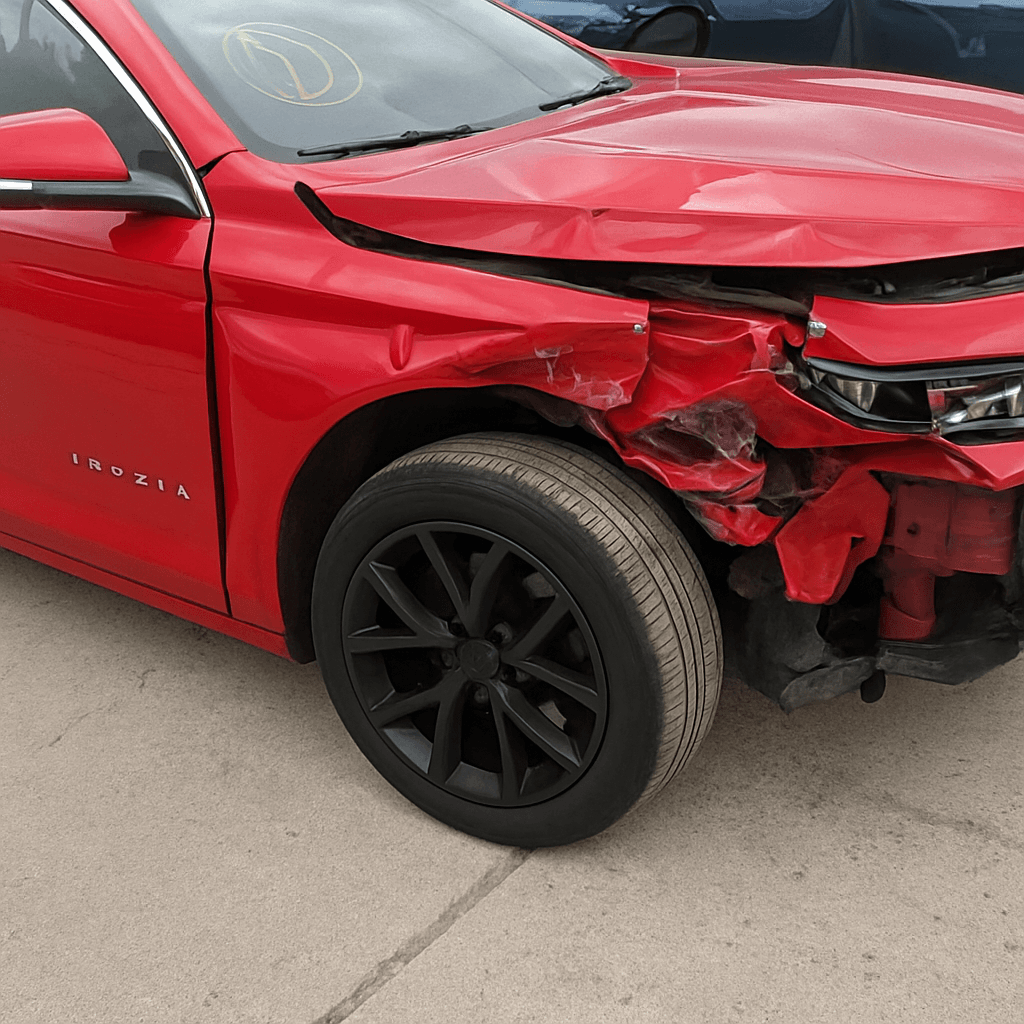
If you were cited for DUI at the scene, Georgia law triggers two parallel suspension tracks: an Administrative License Suspension through DDS for refusing or failing the chemical test, and a criminal conviction suspension if you're found guilty in court. Both tracks can require SR-22 independently. The ALS suspension requires SR-22 to reinstate even if your criminal case is still pending. The criminal conviction adds its own SR-22 requirement on top. Most DUI accident cases result in SR-22 filing because at least one track will require it.
If you were cited for driving without insurance and caused the accident, Georgia treats this as a serious violation requiring SR-22 for reinstatement. The uninsured driver statute applies even if you had coverage that lapsed days before the collision. If you plead or are found guilty, DDS will suspend your license and mandate SR-22 for three years. If you can prove you had valid coverage at the time of the accident, the citation may be dismissed and no SR-22 will be required. Bring your insurance card and declarations page to court.
Related Articles




Filing Process After Conviction
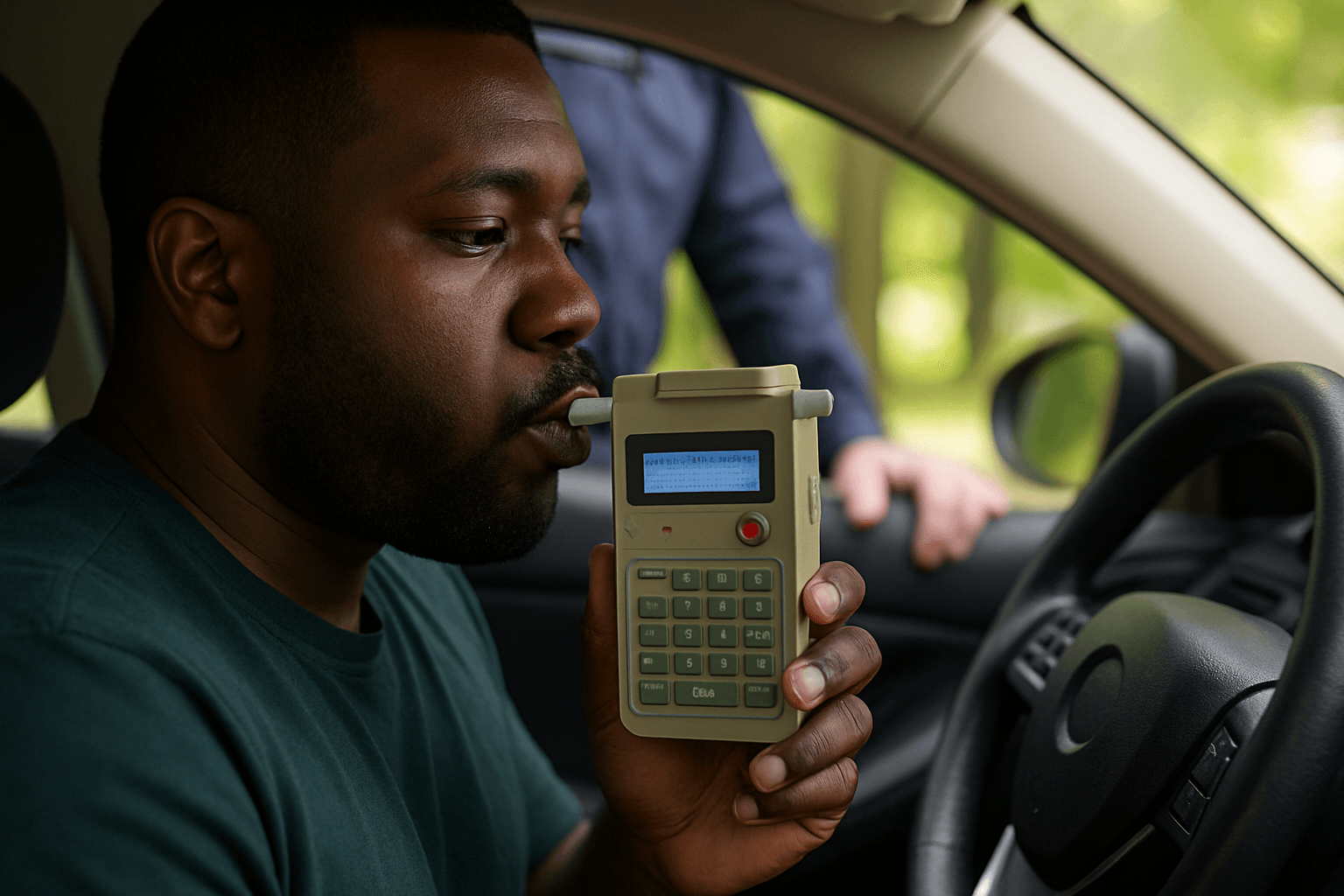
Once your conviction triggers a suspension and DDS mails your suspension notice stating SR-22 is required, you contact an insurance carrier licensed to write SR-22 in Georgia. You cannot file SR-22 yourself. The carrier files electronically with DDS on your behalf. Georgia accepts SR-22 from any licensed carrier writing liability coverage in the state, including non-standard and high-risk carriers.
You need an active liability policy before the carrier can file SR-22. If you still own the vehicle involved in the accident, you purchase a standard auto policy meeting Georgia's minimum liability limits: $25,000 per person for bodily injury, $50,000 per accident for bodily injury, and $25,000 for property damage. The carrier adds SR-22 filing to that policy. If you no longer own a vehicle or cannot afford full coverage, you purchase a non-owner SR-22 policy. Non-owner policies provide liability-only coverage when you drive a borrowed or rental vehicle and satisfy the SR-22 filing requirement without insuring a specific car.
The carrier charges a one-time SR-22 filing fee set by the carrier and state. Expect this fee at policy inception. Your premium will be higher than standard rates because the conviction places you in the non-standard or high-risk tier. SR-22 insurance premiums reflect your violation history, not the SR-22 filing itself. The filing is proof; the tier assignment drives cost. Comparison across carriers writing your risk profile is the only way to control premium after conviction.
Georgia Reinstatement Fee
$200
Georgia DDS charges a $200 base reinstatement fee for most insurance-related suspensions, including uninsured motorist violations. This fee is paid directly to DDS and is separate from any SR-22 filing fee your carrier charges. DUI reinstatement fees may differ and often include additional program completion costs.
Georgia Department of Driver Services fee schedule
Hardship License Options During Suspension
Georgia offers a Limited Driving Permit for certain suspension categories, including DUI and uninsured-related suspensions triggered by accidents. The LDP is issued by Superior Court, not by DDS. You file a petition with the court demonstrating need for essential driving — work, school, medical appointments, court-ordered programs. SR-22 filing is required before the court will consider your LDP petition for most suspension types.
If your accident involved DUI, Georgia's 2024 reform created the Ignition Interlock Limited Driving Permit pathway. This allows you to drive immediately with an ignition interlock device installed rather than waiting through the administrative suspension period. You elect the IILDP track within 30 days of your DUI arrest. SR-22 is required for IILDP approval. The device monitors every trip; any violation triggers permit revocation and restarts your suspension clock.
LDP and IILDP are court-controlled. Approval depends on the judge, your county, and your specific circumstances. There is no DDS administrative pathway for most Georgia hardship permits. If your petition is denied, you serve the full suspension period before reinstatement. SR-22 filing remains required for three years after reinstatement regardless of whether you obtained a hardship permit during suspension.
What Happens Next
Your next step depends on where you are in the legal process. If your court date has not occurred, consult an attorney about plea options that might avoid suspension-triggering convictions. If you have already been convicted and received a suspension notice from DDS stating SR-22 is required, contact carriers immediately to compare rates and initiate filing. Georgia allows online reinstatement at online.dds.ga.gov for eligible suspension types once all requirements including SR-22 are satisfied.
If you need to drive during suspension, research the Limited Driving Permit process in your county. Court petitions require preparation time, proof of need, and SR-22 already on file before most judges will consider approval. Do not drive on a suspended license while waiting for a hardship permit decision. Georgia treats driving under suspension as a separate criminal offense that extends your suspension period and adds new SR-22 filing requirements on top of the original conviction. Georgia SR-22 requirements vary by conviction type — verify your specific pathway before acting.