
Georgia Requires SR-22 Even When You Don't Own a Vehicle
You sold your car after the DUI arrest, or you never owned one in the first place. Georgia DDS suspended your license and ordered SR-22 filing as a reinstatement condition. Now you're stuck: every carrier you contact asks for your vehicle's VIN, and you don't have one to give them. The structural reality most suspended drivers miss is that Georgia's SR-22 requirement has nothing to do with whether you currently own a car. The filing proves you carry the state's minimum liability coverage, which Georgia law requires you to maintain even during suspension.
Non-owner SR-22 policies exist specifically for this situation. They provide the liability coverage Georgia mandates without insuring a specific vehicle. The policy satisfies DDS's SR-22 filing requirement, costs significantly less than standard auto insurance, and remains active for the full three-year filing period Georgia requires after most DUI and uninsured-driving suspensions.
Compare car insurance rates in your state
Get quotes from licensed carriers — no obligation, no spam, results in minutes.
Get Your Free QuoteNon-Owner SR-22 Premium Range
$25–$50/month
Non-owner SR-22 policies in Georgia typically cost $25–$50 per month, a fraction of standard auto insurance premiums for high-risk drivers. The policy covers liability when you drive a borrowed or rental vehicle, meeting DDS's continuous-coverage requirement without insuring a vehicle you own.
Typical carrier pricing for Georgia non-owner SR-22 policies, 2025
What a Non-Owner SR-22 Policy Actually Covers
A non-owner SR-22 policy provides Georgia's minimum liability coverage: $25,000 bodily injury per person, $50,000 bodily injury per accident, and $25,000 property damage. The policy activates when you drive a vehicle you don't own — a friend's car, a rental, or a borrowed vehicle. It does not cover physical damage to the vehicle itself; that responsibility falls to the vehicle owner's insurance or the rental company's coverage.
The SR-22 certificate attached to the policy is filed electronically with Georgia DDS by your carrier within 24 to 72 hours of policy activation. DDS receives the filing, logs it against your suspended license, and begins tracking your compliance. If you let the policy lapse at any point during the three-year filing period, the carrier notifies DDS immediately, and DDS re-suspends your license until you file a new SR-22 and pay a reinstatement fee.
Non-owner policies do not convert into standard auto insurance if you later buy a vehicle. When you purchase a car, you'll need to cancel the non-owner policy and replace it with a standard policy that names the vehicle. The new policy must carry an SR-22 endorsement to maintain continuity — any gap between cancellation and the new filing triggers an automatic suspension.
Georgia DDS tracks SR-22 filing electronically in real time. A single lapse triggers immediate re-suspension, even if you've completed DUI classes and paid all fines.
How to File Non-Owner SR-22 in Georgia

Contact carriers that explicitly write non-owner SR-22 policies in Georgia: GEICO, Progressive, Dairyland, The General, GAINSCO, and USAA (for military-eligible drivers) all offer non-owner coverage with SR-22 filing. State Farm and Bristol West write non-owner policies through independent agents. Request a non-owner SR-22 quote by name — do not assume the carrier will suggest it if you mention you don't own a vehicle. Provide your license number, the date of your suspension, and the specific violation that triggered the SR-22 requirement.
Once you purchase the policy, the carrier files the SR-22 certificate with Georgia DDS electronically within one to three business days. You receive a copy of the SR-22 form by email or mail. Georgia DDS updates your license record to reflect active SR-22 compliance. From that point, your carrier monitors the policy for lapses and reports any cancellation or non-payment to DDS immediately. You must maintain the policy continuously for three years from the date DDS logs your first SR-22 filing — not from the date of conviction or suspension.
Related Articles




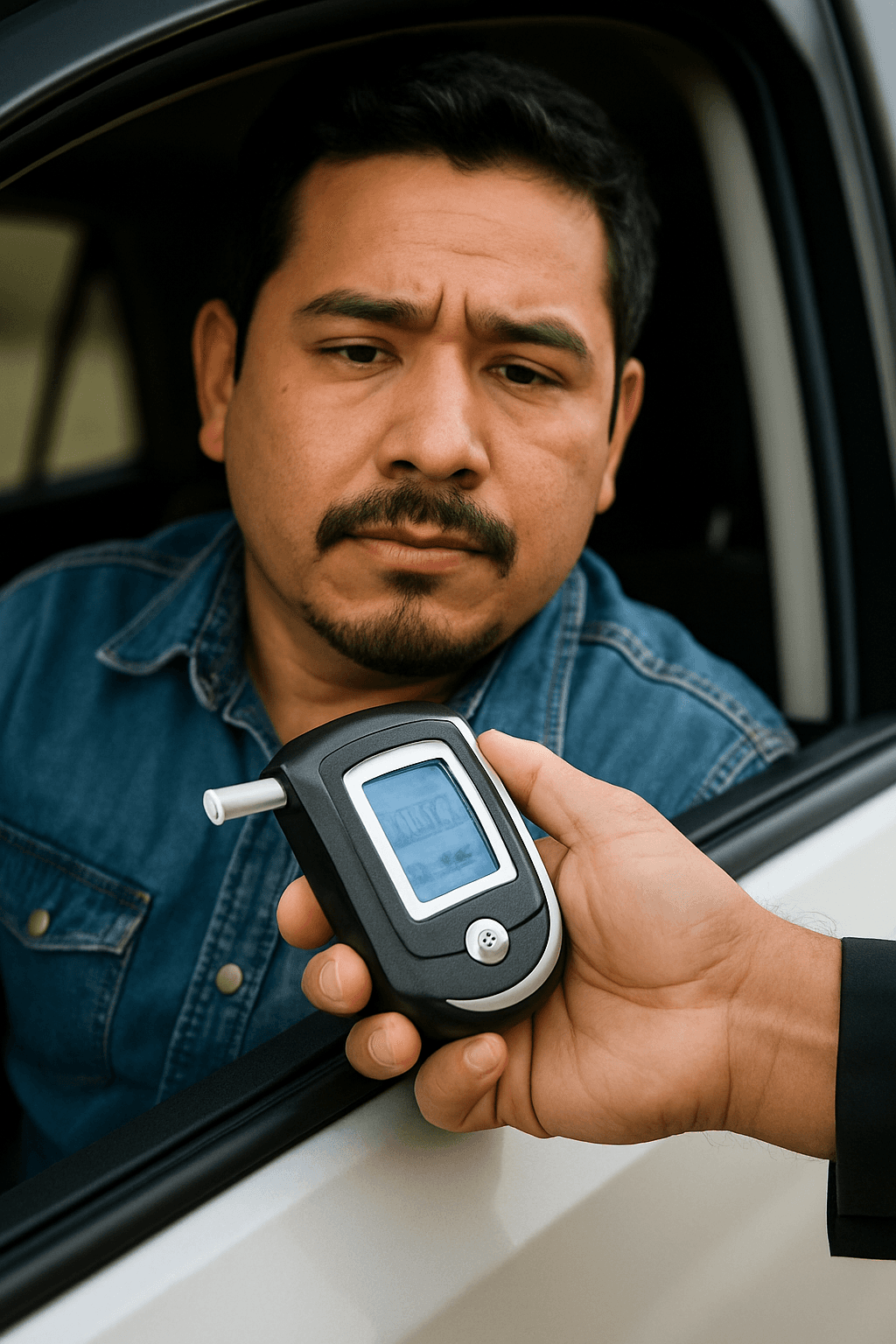

Why Non-Owner SR-22 Costs Less Than Standard Coverage
Non-owner SR-22 premiums run significantly lower than standard auto insurance for high-risk drivers because the policy carries no physical damage coverage and no vehicle-specific risk. The carrier underwrites your driving record and the liability exposure when you borrow a vehicle, but it does not insure a specific car's collision, comprehensive, or theft risk. The result: monthly premiums typically range from $25 to $50, compared to $150 to $300 per month for a standard SR-22 policy attached to a vehicle in Georgia's non-standard market.
The SR-22 filing fee itself — typically $15 to $50, charged once at policy activation — is identical whether you file non-owner or standard SR-22. The savings come entirely from the reduced liability-only structure. The trade-off is that the policy provides no coverage for the vehicle you're driving. If you cause an accident in a borrowed car, your non-owner policy covers the other driver's injuries and property damage up to Georgia's minimums, but the vehicle owner's insurance handles damage to the car you were driving, or the owner pays out of pocket if their policy excludes permissive drivers.
Most Georgia suspended drivers without vehicles find non-owner SR-22 the only financially sustainable path to reinstatement. Standard policies require naming a vehicle at application, and fabricating a VIN or naming a vehicle you don't own constitutes insurance fraud. Non-owner policies remove that structural conflict entirely.
Georgia SR-22 Filing Period
3 years
Georgia requires continuous SR-22 filing for three years after DUI convictions and uninsured-driving suspensions. The clock starts when DDS receives your first SR-22 certificate, not when you were convicted or suspended. Any lapse resets the three-year period and adds a new suspension on top of the original.
Georgia Department of Driver Services reinstatement requirements
When You Buy a Vehicle During the Filing Period
If you purchase a vehicle while your non-owner SR-22 policy is active, you must replace the non-owner policy with a standard auto insurance policy that names the vehicle and carries an SR-22 endorsement. Cancel the non-owner policy effective the same day the new policy begins — any gap between the two triggers a lapse notification to Georgia DDS, which will re-suspend your license and require a new reinstatement fee to cure.
Contact your new insurer before canceling the non-owner policy to confirm the standard policy's SR-22 filing has been transmitted to DDS. Most carriers file electronically within 24 hours, but paper filings can take up to five business days. Do not cancel the non-owner policy until you receive written confirmation that DDS has logged the new SR-22. Some drivers mistakenly cancel the non-owner policy the day they buy the car, assuming the dealer's required insurance will cover the SR-22 obligation — it won't unless you explicitly requested SR-22 endorsement at purchase, and dealer-arranged policies rarely include it.
Compare Georgia Non-Owner SR-22 Carriers Now
Non-owner SR-22 premiums vary significantly by carrier, even for identical coverage and the same driving record. GEICO, Progressive, Dairyland, and The General all write non-owner SR-22 policies in Georgia, but their underwriting models produce monthly premiums that can differ by $20 to $40 for the same driver. Request quotes from at least three carriers that explicitly offer non-owner SR-22 in Georgia — not all carriers write this product, and standard auto insurers often cannot quote it even if they write SR-22 on vehicle policies. Independent agents who specialize in high-risk and SR-22 coverage can access multiple non-owner carriers in one application, saving you the time of contacting each directly. Compare the monthly premium, the filing fee, and the payment terms before committing, and verify that the carrier files electronically with Georgia DDS rather than relying on paper forms that delay reinstatement.