
When Georgia Actually Requires SR-22 Filing
You received a suspension notice from Georgia DDS, searched for reinstatement requirements, and now face conflicting advice about SR-22 insurance. The structural reality: Georgia requires SR-22 filing only for DUI convictions, certain reckless driving offenses, and uninsured-motorist violations—not for the majority of suspensions triggered by points accumulation, unpaid tickets, failure to appear, or child support arrears.
This confusion stems from Georgia's dual-track suspension system. DDS imposes administrative suspensions under O.C.G.A. Title 40, Chapter 5 for driving-record and compliance failures; courts order separate suspensions from criminal convictions. SR-22 filing is tied to specific high-risk violations within these tracks, not to the suspension event itself. Understanding which track you're in determines whether you need SR-22 at all.
Compare car insurance rates in your state
Get quotes from licensed carriers — no obligation, no spam, results in minutes.
Get Your Free QuoteGeorgia Uninsured Reinstatement Fee
$200
Georgia charges $200 to reinstate a license suspended for driving without insurance. This fee applies in addition to the 3-year SR-22 filing requirement that follows uninsured-motorist suspensions.
Georgia Department of Driver Services fee schedule
Georgia's Two Suspension Tracks
DDS-imposed administrative suspensions handle points accumulation (15 points in 24 months under O.C.G.A. § 40-5-57), uninsured-motorist violations detected through the Georgia Electronic Insurance Compliance System (GEICS), and Administrative License Suspension (ALS) for refusing or failing a chemical test after DUI arrest. Court-ordered suspensions follow DUI convictions, reckless driving convictions, and other criminal traffic offenses. These tracks run separately and sometimes concurrently—a DUI arrest triggers both an immediate ALS and a later court-ordered suspension from conviction.
SR-22 filing attaches to the uninsured-motorist administrative track and to the DUI court-ordered track. It does not attach to points-based suspensions, unpaid-ticket suspensions, failure-to-appear suspensions, or child-support-arrearage suspensions. The filing requirement follows the violation type, not the suspension status. Georgia law does not mandate SR-22 for simply having a suspended license; it mandates SR-22 for specific high-risk violations that may also cause suspension.
Georgia suspends your license for unpaid tickets and points—but neither requires SR-22. The filing requirement comes from DUI, uninsured driving, or reckless offenses only.
Violations That Trigger SR-22 in Georgia

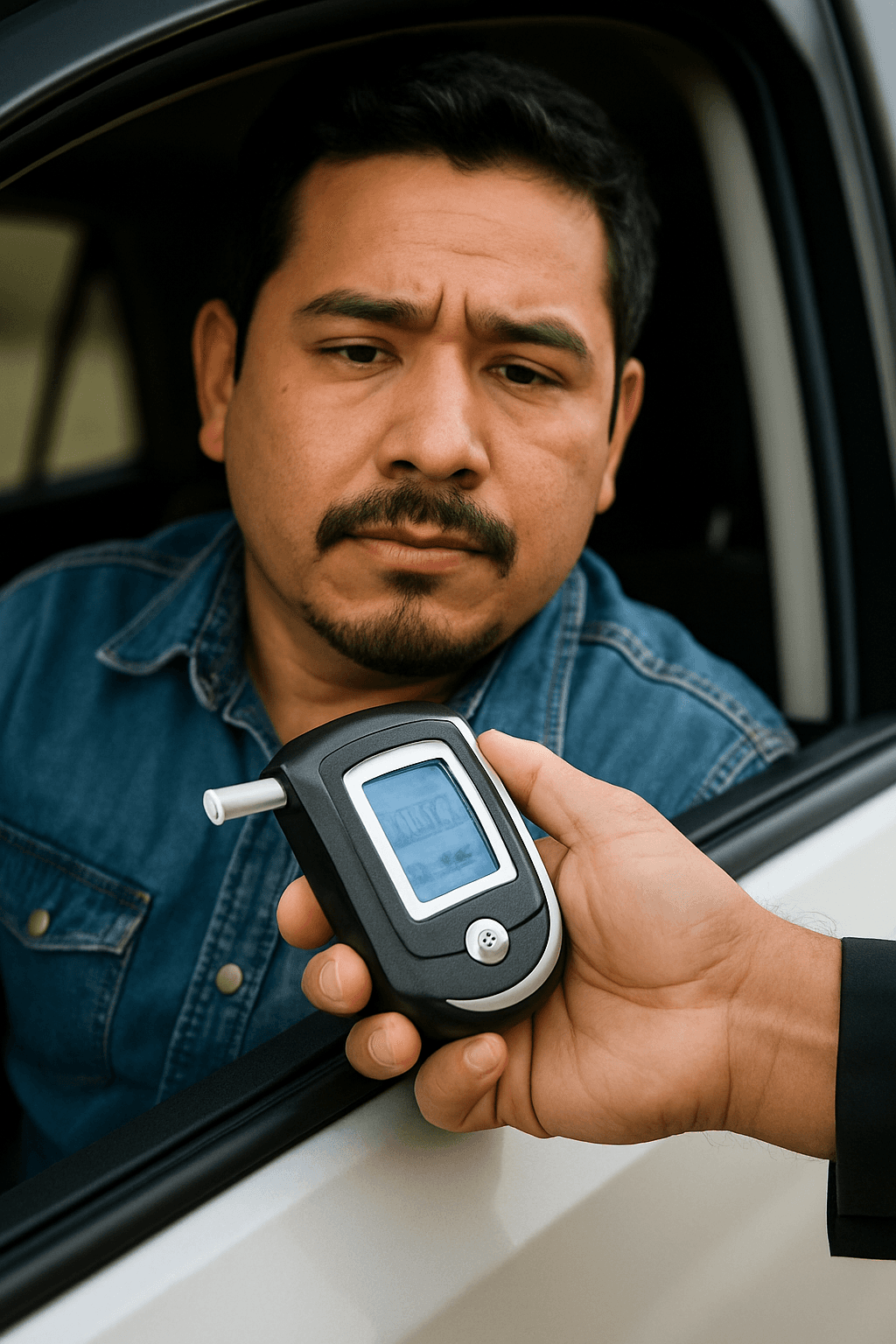
DUI convictions require SR-22 filing for 3 years following reinstatement. The requirement begins when DDS reinstates your license, not on the conviction date. First-offense DUI carries a 120-day hard suspension before you may apply for a Limited Driving Permit (LDP), unless you elect the Ignition Interlock Limited Driving Permit (IILDP) pathway under HB 205, which allows earlier driving with an ignition interlock device installed. SR-22 filing is mandatory for both the LDP and IILDP routes. Reckless driving convictions that carry suspension also trigger SR-22 when the court deems the offense sufficiently serious—typically when injury or property damage occurred.
Uninsured-motorist violations detected by GEICS trigger both immediate registration suspension and a 3-year SR-22 requirement upon reinstatement. Georgia law under O.C.G.A. § 33-34-12 requires continuous liability coverage on all registered vehicles. When GEICS flags a lapse, DDS suspends the vehicle registration and mails a notice. You have approximately 10 days to provide proof of insurance before the suspension becomes final. Reinstatement requires paying the $200 fee and filing SR-22 with a licensed carrier writing Georgia liability coverage. The SR-22 must remain active for 3 years; any lapse triggers automatic re-suspension without additional notice.
Related Articles





What Standard Suspensions Actually Require
Points-based suspensions from accumulating 15 points in 24 months do not require SR-22. DDS administratively suspends the license and schedules a habitual violator hearing. Reinstatement requires clearing the suspension period, attending the hearing if required, and paying applicable fees—but SR-22 filing is not part of this process unless a separate uninsured or DUI violation exists on the same record.
Suspensions for unpaid tickets, failure to appear in court, or child support arrears require resolving the underlying obligation—paying the fine, appearing in court, or satisfying the arrearage—and then paying DDS reinstatement fees. Georgia does not impose SR-22 requirements for these administrative compliance suspensions. Proof of liability insurance is required at reinstatement, but standard proof-of-insurance documentation satisfies DDS; you do not need the SR-22 certificate unless a separate high-risk violation is present.
The confusion arises because reinstatement always requires proof of insurance under Georgia's continuous-coverage mandate. Drivers conflate proving insurance with filing SR-22. Standard proof of insurance is a document from your carrier showing you hold the state minimum liability limits ($25,000 per person, $50,000 per accident, $25,000 property damage). SR-22 is a specific liability-tracking form your carrier files directly with DDS, used only for high-risk violations.
Georgia SR-22 Filing Period
3 years
DUI and uninsured-motorist violations require maintaining SR-22 filing for 3 years from reinstatement. Any lapse in coverage during this period triggers automatic re-suspension, and the 3-year clock resets from the new reinstatement date.
O.C.G.A. § 40-5-57 and DDS administrative rules
Limited Driving Permit and SR-22
Georgia's Limited Driving Permit (LDP) allows restricted driving during suspension for work, school, medical appointments, court-ordered programs, and other essential activities as approved by Superior Court. LDPs are court-issued, not DDS-issued—judges have discretion over approval. SR-22 filing is required for virtually all LDP categories, particularly DUI-related and uninsured-related suspensions.
HB 205, effective July 1, 2024, created the Ignition Interlock Limited Driving Permit (IILDP) for DUI arrestees. This track allows immediate interlock-equipped driving instead of waiting through the ALS administrative process. IILDP requires SR-22 filing in addition to the ignition interlock device. The court-defined driving purposes, SR-22 filing, and IID installation must all remain active throughout the permit period. Violating any condition—missing an IID calibration, allowing SR-22 to lapse, or driving outside approved hours—revokes the permit and extends the underlying suspension.
Check Your Suspension Notice
Your suspension notice from DDS or the court names the specific violation triggering suspension. Look for the statutory citation—DUI convictions reference O.C.G.A. § 40-6-391, uninsured violations reference § 33-34-12, points-based suspensions reference § 40-5-57. The citation tells you which track you're in. DUI and uninsured citations mean SR-22 is required; points-based and unpaid-ticket citations mean SR-22 is not required unless a separate high-risk violation is also listed.
Call DDS at their reinstatement information line or check your status through the online DDS portal at online.dds.ga.gov. The system shows which requirements apply to your specific case. If SR-22 is required, the portal lists it explicitly. Do not assume you need SR-22 based on suspension alone—verify your specific violation type before contacting carriers. Carriers writing SR-22 policies in Georgia include Acceptance Insurance, Bristol West, Dairyland, Direct Auto, GAINSCO, Geico, Infinity, Kemper, National General, Progressive, State Farm, The General, and USAA. Most offer online quotes; non-standard-tier carriers (Dairyland, Direct Auto, Bristol West, The General, GAINSCO, Infinity) specialize in high-risk filings and typically respond faster to SR-22 requests than standard-tier carriers.