
Why Georgia SR-22 Quotes Require Court Approval First
You called three carriers for a quick SR-22 quote and all three asked whether your Limited Driving Permit was court-approved yet. One asked if you elected the Ignition Interlock Limited Driving Permit pathway. Another wanted to know if your suspension was DUI or uninsured-related. None would give you a binding number.
Georgia's court-based LDP system creates a chicken-and-egg problem for SR-22 shoppers. Carriers cannot quote accurately until they know which permit category the Superior Court approves, because work-only permits, unrestricted IID permits, and post-ALS reinstatement cases all price differently. The SR-22 itself is straightforward — it's a three-year proof-of-insurance filing the DDS requires for DUI and uninsured suspensions — but the permit category determines whether you're quoted as a restricted driver with route limits or an unrestricted driver with an interlock device.
Compare car insurance rates in your state
Get quotes from licensed carriers — no obligation, no spam, results in minutes.
Get Your Free QuoteGeorgia SR-22 Filing Period
3 years
Georgia requires continuous SR-22 filing for three years after reinstatement for DUI and uninsured motorist violations. The clock starts from the reinstatement date, not the conviction date. Letting the policy lapse triggers automatic re-suspension.
Georgia Department of Driver Services
The Two SR-22 Pathways Georgia Drivers Face
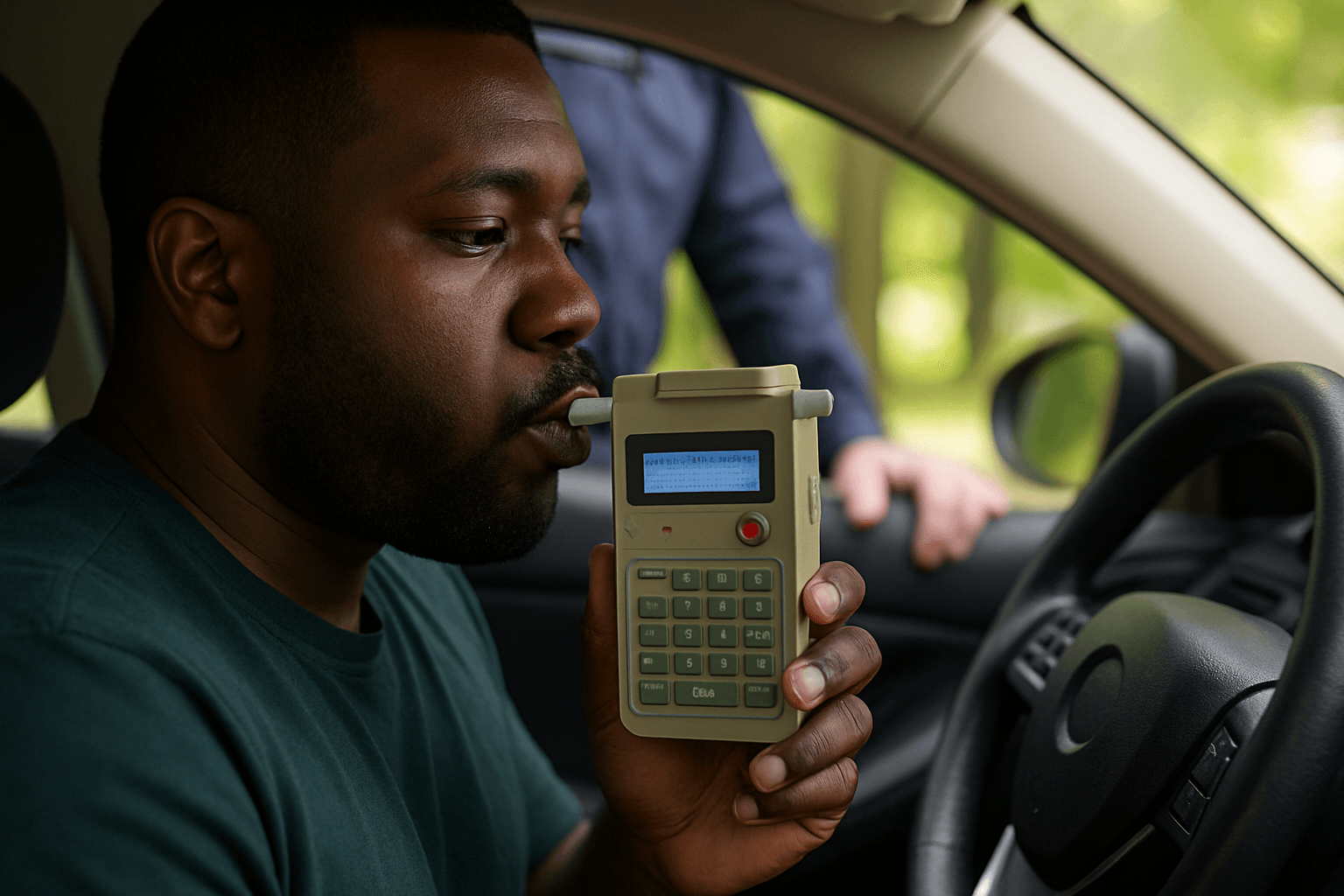
Georgia DUI arrestees gained a new option in July 2024 under HB 205: the Ignition Interlock Limited Driving Permit. This IILDP pathway lets you elect an IID-equipped permit immediately after arrest, bypassing the traditional 120-day hard suspension and ALS hearing process. If you take this route, you're driving unrestricted hours with the interlock installed, and carriers quote you as an IID driver rather than a work-permit driver.
The older court-petition pathway still exists for drivers who don't elect the IILDP or whose suspensions aren't DUI-related. You petition Superior Court for a traditional LDP after serving any hard suspension period the court imposes. The court defines your permitted purposes — typically work, school, medical appointments, and court-ordered programs — and restricts your hours to match. Carriers quote you as a route-restricted driver.
Uninsured motorist suspensions follow a third pattern: no LDP is typically needed because the suspension lifts once you file SR-22 and pay the $200 reinstatement fee to DDS. Carriers quote you as reinstated but high-risk, without the permit-category question.
Carriers cannot give binding quotes until they confirm your permit category because IID-equipped unrestricted permits and route-restricted work permits sit in different underwriting tiers.
What Carriers Ask Before Quoting SR-22

First question: what triggered your suspension? DUI, uninsured driving, excessive points, and administrative license suspensions all require SR-22 in Georgia, but they price differently. DUI cases — especially those with blood alcohol concentration above .15 — land in the highest tier. Uninsured suspensions land slightly lower. Points-related suspensions sometimes don't require SR-22 at all unless the DDS specifically mandates filing.
Second question: which permit did the court approve, or are you reinstating without a permit? IILDP drivers with ignition interlock devices pay IID lease costs on top of premiums but avoid route restrictions. Traditional LDP holders face narrower coverage terms because their policies are anchored to specific approved purposes. Reinstated drivers without permits — most commonly uninsured suspension cases — quote as standard high-risk without the permit discount some carriers offer for supervised driving.
Related Articles



Why the Court Petition Comes Before the Insurance Call
Georgia's Superior Court judges issue Limited Driving Permits, not the DDS. The court reviews your petition, verifies you've met any mandatory waiting periods, confirms you've enrolled in required programs like the DUI Risk Reduction course, and defines the specific purposes and hours your permit covers. Only after the judge signs the order do you have a permit category to give the carrier.
This court-first structure exists because Georgia permits are paper documents issued by the court, not plastic cards issued by DDS. You carry the signed court order alongside your suspended license. Carriers need to see that order — or at least know which category it specifies — before they can assign you to an underwriting tier. Calling for quotes before you have court approval produces non-binding estimates that often shift once the actual permit category is confirmed.
The 2024 IILDP reform shortened this timeline for DUI arrestees who elect the interlock pathway immediately. You can file for the IILDP through DDS online without waiting for a court hearing, and DDS issues the permit once you've installed the IID and filed SR-22. This path removes the court bottleneck but locks you into interlock lease payments and certified installer appointments.
Georgia Reinstatement Fee
$200
Georgia charges a $200 reinstatement fee for uninsured motorist suspensions, the most common suspension type requiring SR-22. DUI reinstatement fees are set separately by the court and vary by county. This fee is paid to DDS after you've filed SR-22 and met all court conditions.
Georgia Department of Driver Services
How Quickly Carriers Can File SR-22 After Approval
Once you have your court-approved permit category or your DDS reinstatement notice, most non-standard carriers writing Georgia SR-22 can bind coverage and file electronically with DDS within one business day. Dairyland, The General, GAINSCO, and Progressive all support same-day filing if you apply early in the business day with all documentation ready. State Farm and GEICO typically file within 24 hours but require manual underwriter review for DUI cases.
The carrier files the SR-22 certificate directly with Georgia DDS. You don't file it yourself. DDS receives the electronic filing, matches it against your driver record, and updates your status. If you're on the IILDP pathway, DDS issues the permit once SR-22 filing is confirmed and the IID vendor reports successful installation. If you're on the traditional LDP pathway, you take the SR-22 confirmation and your signed court order to DDS to complete reinstatement.
Compare Carriers That Write Your Permit Category
Georgia SR-22 pricing varies more by carrier than by permit type once you're in the correct underwriting tier. Dairyland and Bristol West both write IILDP and traditional LDP cases but quote 20-30% apart on identical driver profiles. The General and Direct Auto specialize in post-DUI reinstatement and often underprice the standard-market carriers for high-risk cases. Progressive and GEICO write SR-22 but reserve their lowest rates for drivers with clean records outside the SR-22 requirement.
Start by identifying which carriers write your specific situation. If you're on an IILDP with ignition interlock, confirm the carrier accepts IID-equipped vehicles before you apply — not all do. If your LDP is route-restricted to work and medical only, some carriers offer a discount for limited-use policies while others price them identically to unrestricted coverage. Get binding quotes from at least three carriers that explicitly confirm they write your permit category and suspension trigger. Compare the six-month premium, the filing fee the carrier charges on top of the premium, and whether the carrier reports lapses instantly or gives a grace period before notifying DDS.