
When You Need SR-22 but the Car Isn't Yours
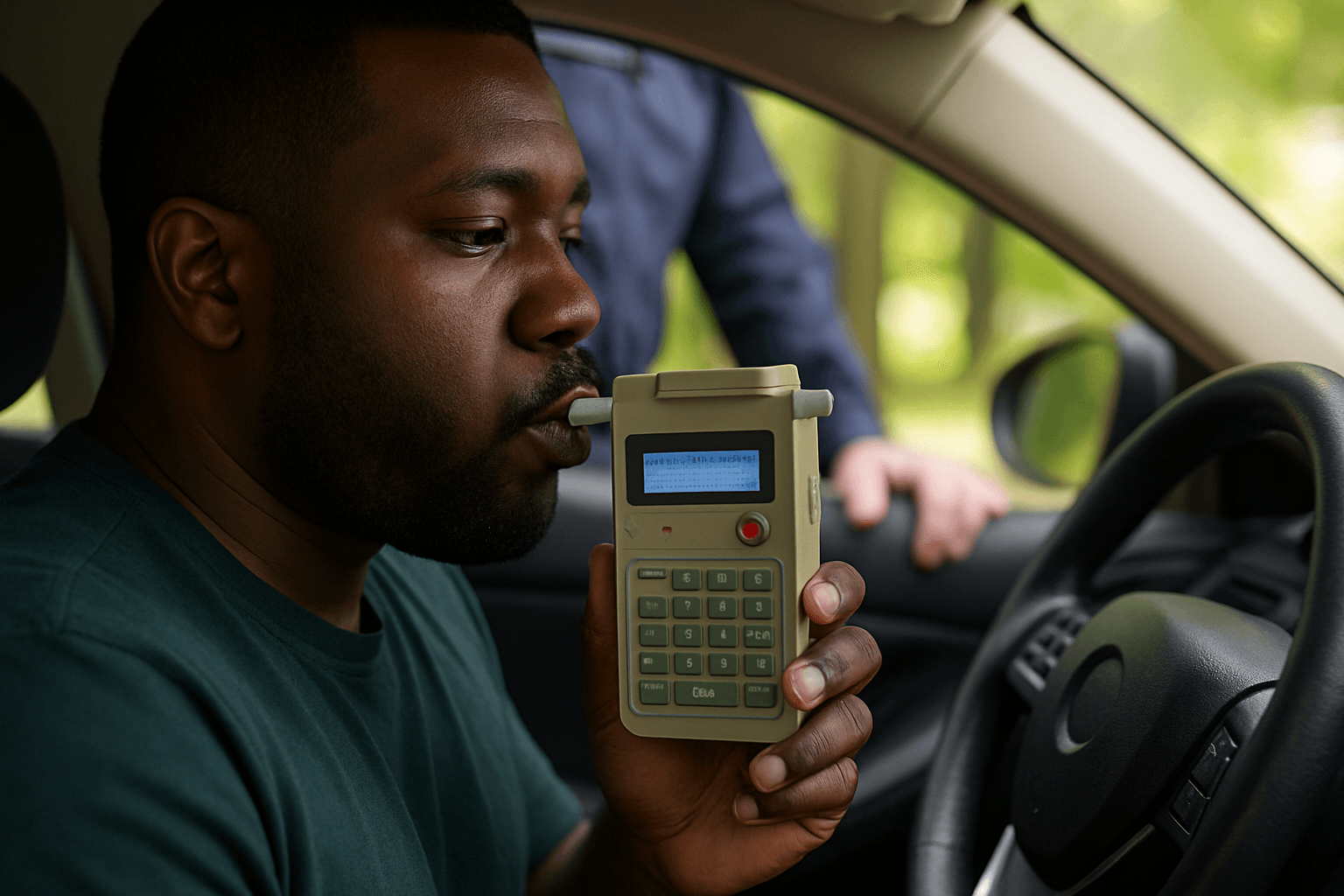
You got a DUI while driving a friend's car, a rental, or a family member's vehicle. Georgia DDS suspended your license and told you to file SR-22 proof of insurance before you can get it back. You don't own a car. The vehicle you were driving belongs to someone else. You're stuck trying to figure out how to prove insurance on a car you don't own and may never drive again.
Georgia's SR-22 requirement applies to the driver, not the vehicle. If DDS suspended your license for DUI, you must maintain continuous SR-22 filing for 3 years from the reinstatement date. That filing stays active whether or not you own a car. Non-owner SR-22 insurance exists specifically for this situation — it covers you as a driver when you borrow or rent vehicles, and it satisfies Georgia's SR-22 filing requirement without requiring you to own the vehicle.
Compare car insurance rates in your state
Get quotes from licensed carriers — no obligation, no spam, results in minutes.
Get Your Free QuoteGeorgia SR-22 Filing Period
3 years
Georgia requires SR-22 filing maintained for 3 years after license reinstatement for DUI convictions. The 3-year clock starts from the reinstatement date, not the conviction date. Any lapse in coverage triggers an automatic re-suspension.
Georgia Department of Driver Services SR-22 program requirements
What Non-Owner SR-22 Actually Covers
A non-owner SR-22 policy is liability-only coverage that follows you as a driver. It provides bodily injury and property damage liability when you drive a vehicle you don't own — borrowed cars, rental vehicles, employer vehicles for non-commercial use. Georgia's state minimum liability limits are $25,000 per person for bodily injury, $50,000 per accident for bodily injury, and $25,000 for property damage. Your non-owner policy must meet or exceed these minimums.
The policy does not cover vehicles you own, lease, or have regular access to. If you live with someone who owns a car and you drive it regularly, you need to be added to their policy as a listed driver — a non-owner policy will not cover you in that scenario. The non-owner policy also does not cover the borrowed vehicle itself. The owner's collision and comprehensive coverage applies to the vehicle. Your non-owner policy covers your liability to others when you're at fault.
The SR-22 filing is a form your insurance carrier files electronically with Georgia DDS. It proves you're maintaining the required coverage. The carrier files the SR-22 when your policy starts and notifies DDS immediately if your policy cancels or lapses. Georgia DDS suspends your license again within days of receiving a lapse notice. The 3-year filing period restarts from zero if you lapse.
Georgia DDS re-suspends your license within days of an SR-22 lapse notice. The 3-year clock resets to zero when you reinstate again.
How Borrowed-Vehicle Coverage Actually Works

The vehicle owner's policy is primary. When you borrow a car, the owner's liability insurance covers the vehicle first. Most personal auto policies include permissive-use coverage, meaning they extend liability protection to anyone the owner allows to drive the vehicle. If you cause an accident while driving a borrowed car, the owner's policy pays claims up to the policy's liability limits. The owner's policy also covers physical damage to the vehicle itself if they carry collision and comprehensive coverage.
Your non-owner SR-22 policy is secondary. It kicks in only when the vehicle owner's liability limits are exhausted. If you cause $75,000 in bodily injury damages and the owner's policy has a $50,000 per-accident limit, your non-owner policy covers the remaining $25,000 up to your policy's limits. This secondary structure protects you from personal liability exposure beyond what the owner's policy covers. Georgia carriers writing non-owner SR-22 include Dairyland, GAINSCO, Geico, Progressive, The General, and USAA.
Related Articles


When Non-Owner Coverage Fails in Borrowed-Car Scenarios
Non-owner SR-22 policies contain two hard exclusions that suspend coverage even when you're driving a borrowed car. First: vehicles you own, lease, or are titled to you. If you buy or lease a car while carrying a non-owner policy, your non-owner coverage terminates immediately for that vehicle. You must convert to a standard owner policy and re-file SR-22 on the new policy before driving it. Georgia DDS receives a lapse notice from the non-owner carrier when the policy cancels, triggering re-suspension unless you file the new SR-22 the same day.
Second: vehicles furnished or available for your regular use. If you live with a family member who owns a car and you drive it more than occasionally, the non-owner policy excludes coverage. The definition of regular use varies by carrier, but Georgia carriers typically interpret it as weekly or more frequent access. You must be added to the owner's policy as a listed driver. The owner's carrier may charge a substantial premium increase to add a driver with a DUI conviction. If the owner refuses to add you or their carrier excludes you, you cannot legally drive that vehicle under a non-owner policy.
Georgia law allows carriers to exclude specific drivers by name from a policy. If the vehicle owner's carrier excludes you as a named driver, the owner's policy will not cover you even under permissive use. Your non-owner policy remains secondary, but it will not cover you in a vehicle where you are a named excluded driver. Some Georgia carriers issue blanket exclusions for DUI drivers. Before borrowing a car, confirm with the vehicle owner that their policy allows permissive use and does not exclude you by name.
Georgia License Reinstatement Fee
$200
Georgia charges a $200 reinstatement fee for insurance-related suspensions, including DUI cases requiring SR-22 filing. This fee is paid to Georgia DDS after you complete your suspension period and file SR-22 proof of insurance. The fee does not cover the SR-22 filing itself — carriers charge a separate one-time filing fee set by the carrier.
Georgia Department of Driver Services reinstatement fee schedule
Filing SR-22 Without Owning the Vehicle You Were Driving
You do not need to file SR-22 on the vehicle you were driving when you got the DUI. Georgia's SR-22 requirement attaches to your driver's license, not to the vehicle involved in the offense. If you were driving a friend's car when arrested, your friend does not need to file SR-22 and their insurance rates are not directly affected by your filing. You file non-owner SR-22 under your own policy. The SR-22 proves you are maintaining continuous liability coverage as a driver, regardless of which vehicle you drive.
The vehicle owner should notify their insurance carrier about the DUI incident involving their vehicle. The owner's carrier may increase premiums or exclude you from future coverage under their policy, but the owner is not required to file SR-22. Georgia DDS only requires SR-22 filing from the driver whose license was suspended. If the vehicle owner later allows you to drive their car again, the permissive-use and secondary-coverage dynamics described above apply.
Compare Georgia Non-Owner SR-22 Carriers Now
Georgia carriers writing non-owner SR-22 policies quote different premiums based on your DUI details, conviction date, and driving history. Dairyland, GAINSCO, and The General specialize in high-risk drivers and typically offer the most competitive rates for DUI filers. Progressive and Geico write non-owner SR-22 for some applicants but may decline coverage depending on the specifics of your case. USAA writes non-owner SR-22 only for military members and their families. Compare quotes from at least three carriers before selecting a policy. Your SR-22 filing must remain continuous for 3 years — choosing the wrong carrier or missing a payment restarts the clock.