Why Georgia SR-22 Down Payments Block Permit Applications
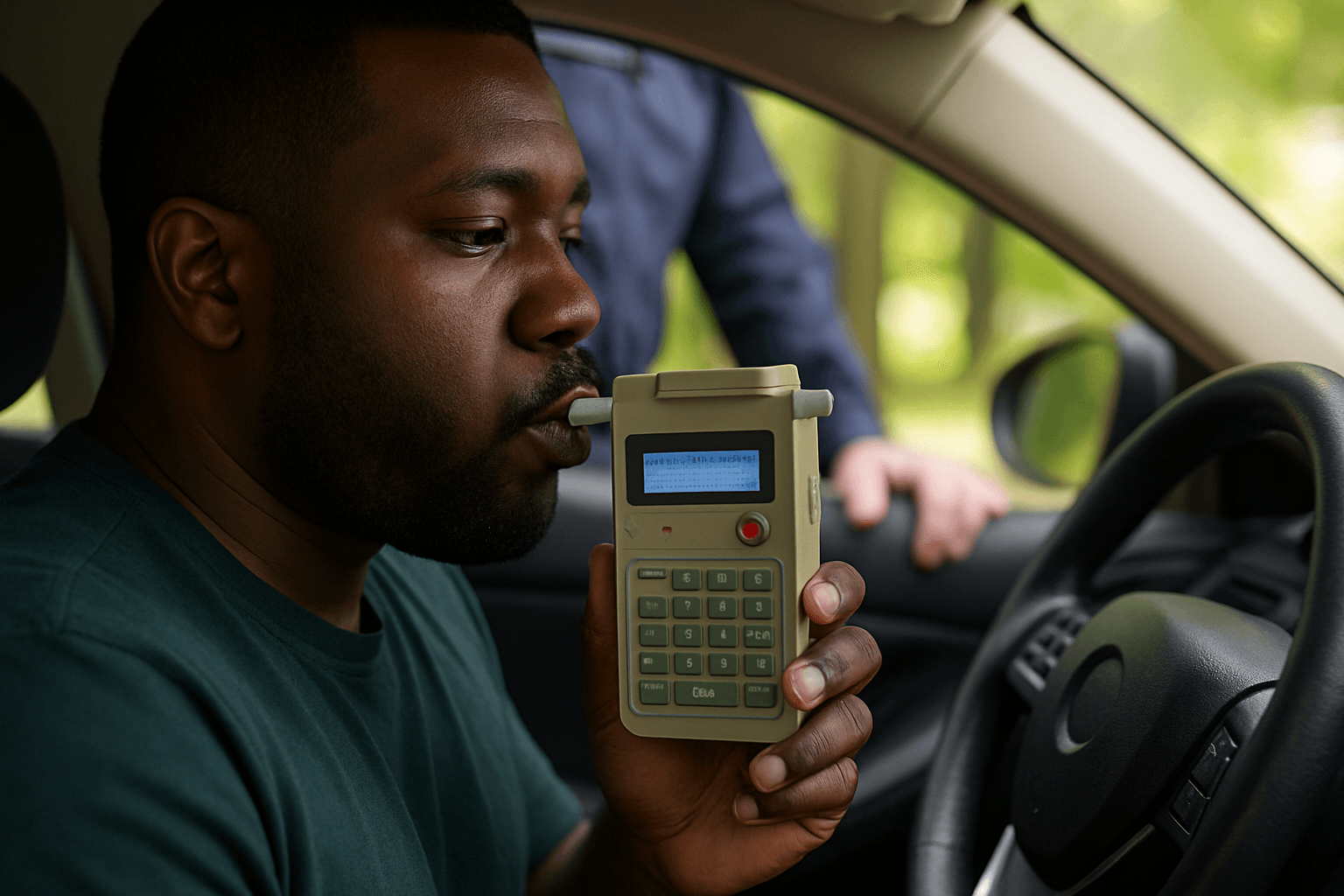
You received a DUI suspension notice from Georgia DDS. The notice states you must file SR-22 proof of insurance before applying for a Limited Driving Permit through Superior Court. You call carriers advertising zero-down auto insurance and learn that offer does not apply to SR-22 policies for suspended drivers — the down payment starts at $280 and climbs from there depending on your county and violation history.
Georgia does not regulate down payment amounts for auto insurance. Carriers set down payment requirements by underwriting tier. Non-standard carriers writing SR-22 policies for DUI suspensions typically require 20 to 35 percent of the six-month premium as a down payment, with the balance spread across five monthly installments. The advertised zero-down offers apply to standard-tier drivers with clean records, not drivers navigating DUI reinstatement.
Compare car insurance rates in your state
Get quotes from licensed carriers — no obligation, no spam, results in minutes.
Get Your Free QuoteGeorgia Reinstatement Fee
$200
Georgia Department of Driver Services charges $200 to reinstate a license suspended for DUI, paid in addition to court fines, DUI Risk Reduction Program fees ($355–$360), and any ignition interlock costs. This fee is collected at the time you apply to lift the suspension, not when you obtain SR-22 filing.
Georgia Department of Driver Services fee schedule
How Carriers Calculate Down Payments for SR-22 Policies
Carriers writing non-standard auto insurance — the tier that serves DUI and suspended-license drivers — assess down payments based on two factors: total premium and payment risk. A driver with a recent DUI conviction and active suspension represents higher lapse risk than a driver reinstating after a points suspension. Higher lapse risk translates to higher down payment requirements.
The six-month premium for minimum liability coverage with SR-22 filing in Georgia typically ranges from $800 to $1,400 depending on age, county, and specific violation. A 25 percent down payment on a $1,000 six-month policy equals $250 due at binding, with five monthly payments of $150. A 35 percent down payment on the same policy requires $350 up front. The difference is driven by how the carrier models your likelihood of missing a payment during the first 90 days.
Carriers offering true zero-down SR-22 policies exist but operate in a narrower underwriting lane. These carriers typically require enrollment in automatic monthly bank withdrawal, restrict coverage to state minimum liability limits, and may add a policy fee ($50 to $75) that substitutes for the down payment structurally. The policy fee is non-refundable even if you cancel, functioning as down payment by another name.
Georgia SR-22 lapse during your three-year filing period triggers automatic license re-suspension — even one missed payment that causes the carrier to cancel your policy restarts your suspension clock.
What Reduces Your Down Payment Requirement

Automatic bank withdrawal from a checking or savings account eliminates manual payment risk. Carriers offering this option typically reduce down payment requirements by 10 to 15 percentage points compared to monthly billing by mail or online portal. A driver who would face a 30 percent down payment under manual billing might qualify for 15 to 20 percent down with auto-pay enrollment. The reduction reflects actuarial data showing auto-pay policies lapse at half the rate of manually billed policies during the first six months.
Limiting coverage to Georgia's state minimum liability — $25,000 per person for bodily injury, $50,000 per accident, and $25,000 for property damage — produces the lowest possible premium and therefore the lowest down payment in dollar terms. Choosing higher limits or adding collision and comprehensive coverage increases the six-month premium, which increases the down payment proportionally even if the percentage stays constant. For a driver focused exclusively on meeting SR-22 filing requirements to obtain a Limited Driving Permit, state minimum liability coverage is the correct starting point.
Related Articles


Georgia Non-Owner SR-22 Policies and Down Payment Differences
Drivers who do not own a vehicle but need SR-22 filing to satisfy DDS requirements can obtain a non-owner SR-22 policy. Non-owner policies provide liability coverage when you drive a vehicle you do not own — a borrowed car, a rental, or a vehicle provided by an employer. The six-month premium for non-owner SR-22 policies in Georgia typically ranges from $300 to $600, roughly half the cost of an owner policy covering a specific vehicle.
Down payment requirements for non-owner SR-22 policies follow the same carrier-specific underwriting rules as owner policies, but the lower total premium produces a lower down payment in dollar terms. A 25 percent down payment on a $400 six-month non-owner policy equals $100 due at binding. Carriers writing non-owner SR-22 policies in Georgia include Progressive, Dairyland, The General, and GAINSCO. Not all carriers offer non-owner policies, so comparison shopping requires identifying which carriers write this product in your county.
Non-owner SR-22 policies do not cover a vehicle you own or a vehicle registered in your household. If you live with a family member who owns a car and you drive that car regularly, you need to be added to their policy as a listed driver rather than obtaining a separate non-owner policy. The non-owner product exists for drivers who genuinely do not have regular access to a specific vehicle.
Georgia SR-22 Filing Period
3 years
Georgia requires continuous SR-22 filing for three years following DUI conviction. The three-year period starts from your conviction date, not your reinstatement date or the date you obtain SR-22 coverage. Any lapse in coverage during this period — even one day — triggers DDS notification and automatic re-suspension of your license or permit.
Georgia O.C.G.A. § 40-5-57
How Payment Plans Interact With Limited Driving Permit Applications
Georgia Superior Court judges issue Limited Driving Permits after reviewing proof of SR-22 filing, not proof of full premium payment. The court requires an SR-22 certificate showing active coverage on the date you file your petition. Carriers typically issue the SR-22 certificate immediately after you pay the down payment and the policy becomes active, even though you have not paid the full six-month premium yet. The installment payment arrangement does not delay permit eligibility.
The structural risk: if you miss a monthly payment during your permit period, the carrier cancels your policy and files an SR-22 cancellation notice with Georgia DDS. DDS treats SR-22 cancellation as immediate non-compliance and suspends your Limited Driving Permit without additional notice. You lose legal driving privileges the day the cancellation notice reaches DDS, which typically occurs within three business days of the carrier's cancellation decision. Court-issued permits do not have grace periods for insurance lapses.
Compare SR-22 Carriers Writing Installment Policies in Georgia
Carriers writing SR-22 policies for DUI suspensions in Georgia include Acceptance Insurance, Bristol West, Dairyland, Direct Auto, GAINSCO, Geico, Infinity, Kemper, National General, Progressive, State Farm, and The General. Down payment requirements vary by carrier, county, and your specific violation details. One carrier may quote a 20 percent down payment while another quotes 35 percent for the same driver profile. Rate comparison must include down payment comparison — the lowest six-month premium does not always produce the lowest out-of-pocket cost at binding.
Request quotes from at least three non-standard carriers. Provide your DUI conviction date, your current suspension status, and whether you need owner or non-owner coverage. Ask each carrier for the total six-month premium, the down payment amount, the number of installments, and whether automatic bank withdrawal reduces the down payment. Carriers that write your specific risk profile will provide a bindable quote within 24 hours. Carriers that do not write DUI suspensions in your county will decline to quote.