
The Two-Charge Structure Most Georgia Drivers Miss
You called three carriers asking for SR-22A quotes and got three confusing answers because each quoted a different combination of filing fee and premium. The Georgia Department of Driver Services requires an SR-22A certificate after most DUI convictions, but the certificate itself is not insurance — it's proof you're carrying the state's minimum liability coverage, filed electronically by your insurer. You pay for that filing service once, then you pay for the underlying liability policy every month or every six months depending on your payment plan.
Most drivers conflate these charges into a single "SR-22A insurance cost" and cannot tell whether a $45 quote means the filing fee, one month of coverage, or something else entirely. The filing fee is the smaller charge. The coverage premium is where your violation history, age, county, and vehicle create the actual cost variance. Understanding this split is the only way to compare carriers accurately.
Compare car insurance rates in your state
Get quotes from licensed carriers — no obligation, no spam, results in minutes.
Get Your Free QuoteGeorgia DUI Reinstatement Fee
$200
This is the administrative fee you pay to Georgia DDS to restore your license after completing your suspension period and DUI Risk Reduction Program. It is separate from your SR-22A filing fee and separate from your insurance premium. You pay it once at reinstatement.
Georgia Department of Driver Services reinstatement fee schedule
What SR-22A Actually Costs in Georgia
The SR-22A filing fee ranges from $15 to $50 depending on which carrier you choose. This is a one-time administrative charge the insurer collects to process and electronically transmit your certificate to Georgia DDS. Some carriers charge it upfront; others fold it into your first premium payment. The fee does not recur annually — you pay it once when the policy starts, and again only if you let coverage lapse and need to refile.
The liability coverage premium is the monthly or six-month charge that continues for the entire three-year SR-22A filing period Georgia requires after a DUI conviction. Premium cost depends on your violation details, driving history beyond the DUI, age, county, vehicle, and the coverage limits you select. Georgia's minimum liability requirement is $25,000 per person for bodily injury, $50,000 per accident, and $25,000 for property damage. Carriers writing high-risk drivers after DUI price this coverage in the non-standard tier, which produces higher rates than standard-tier policies for clean-record drivers.
Estimates based on available industry data place monthly liability premiums for Georgia DUI drivers between $85 and $200, but individual results vary significantly. A first-offense DUI in a rural county with no prior violations will price lower than a second DUI in metro Atlanta with additional points on your record. Your age, gender, vehicle year and model, and whether you own or rent also affect the quote. Carriers that specialize in high-risk drivers — Dairyland, Bristol West, The General, Progressive, GAINSCO — often deliver better rates than standard-market insurers because they underwrite DUI cases routinely and price the risk more granularly.
The SR-22A filing fee and the first month's premium are usually due at policy purchase. Budget for both upfront costs together — carriers will not file your certificate until payment clears.
Why Georgia Calls It SR-22A Instead of SR-22

The SR-22A certificate proves to Georgia DDS that you are carrying at least the state's minimum liability limits and that your insurer will notify DDS immediately if your policy cancels or lapses. Georgia requires continuous SR-22A filing for three years after a DUI conviction, measured from your reinstatement date, not your conviction date. If your policy lapses at any point during those three years, your insurer sends an SR-26 cancellation notice to DDS and your license suspends again automatically.
You cannot buy SR-22A coverage separately from liability insurance because SR-22A is not a coverage type — it is a filing your carrier submits on your behalf. Every quote you receive bundles the filing service with the liability policy. Some carriers describe this as "SR-22A insurance" for search convenience, but you are always purchasing liability coverage plus the filing, never the filing alone.
Related Articles





Non-Owner SR-22A When You Do Not Own a Vehicle
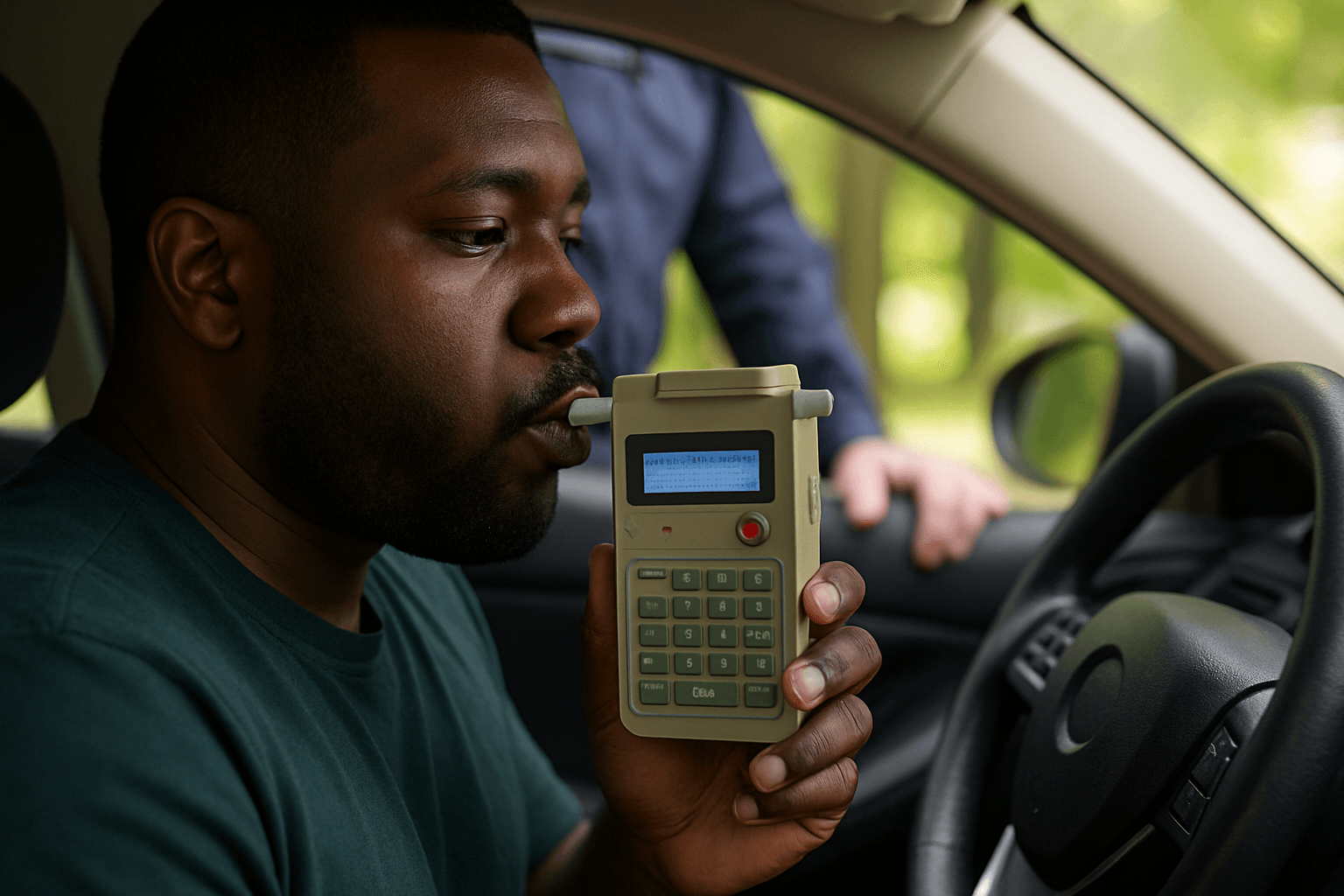
If you do not own a vehicle but need SR-22A filing to satisfy Georgia DDS reinstatement requirements, a non-owner liability policy meets the mandate. Non-owner policies provide liability coverage when you drive a vehicle you do not own — a borrowed car, a rental, or a vehicle owned by a household member whose policy does not list you. The insurer files the SR-22A certificate with Georgia DDS exactly as they would for a standard owner policy.
Non-owner SR-22A premiums typically cost less than owner policies because the carrier is not insuring a specific vehicle and the exposure is lower. Monthly premiums for non-owner SR-22A coverage in Georgia generally range from $40 to $90 depending on your violation details and driving history. The filing fee remains the same — $15 to $50 one-time charge. Carriers that write non-owner SR-22A in Georgia include Progressive, GEICO, USAA, Dairyland, and The General.
The three-year filing period applies identically to non-owner policies. If you purchase a vehicle during the filing period, you must notify your carrier immediately and convert to an owner policy. Driving an owned vehicle on a non-owner policy can void coverage and trigger an SR-26 cancellation filing, which suspends your license again.
Georgia SR-22A Filing Period
3 years
Georgia requires continuous SR-22A filing for three years after DUI reinstatement. The clock starts on your reinstatement date, not your conviction date. Missing even one day of coverage during this period triggers automatic re-suspension.
Georgia Code § 40-5-76
How Payment Plans Affect Total Cost
Most carriers offer monthly payment plans for SR-22A policies, but monthly payments carry installment fees that increase your total annual cost compared to paying the full six-month premium upfront. A policy quoted at $600 for six months might cost $115 per month on installment — $690 total for the same coverage period due to the $15 monthly installment fee. If your budget requires monthly payments, factor the installment charges into your comparison. Some high-risk carriers charge installment fees as high as $10 to $20 per month.
Paying the six-month premium in full eliminates installment fees but requires a larger upfront cash outlay. For a first-time SR-22A filing, you are paying the filing fee, the $200 Georgia reinstatement fee to DDS, and the first premium payment all within the same reinstatement window. Budget carefully — underestimating the combined upfront cost is the most common reason Georgia drivers delay reinstatement longer than necessary.
Compare Carriers That Specialize in DUI Cases
Standard-market carriers like Allstate, State Farm, and Nationwide write SR-22A policies in Georgia, but they price DUI risk conservatively because it falls outside their core underwriting model. Non-standard carriers like Dairyland, Bristol West, The General, Progressive's high-risk division, GAINSCO, and Direct Auto underwrite DUI cases as their primary business and price the risk more competitively. You will almost always receive a lower quote from a non-standard carrier than from a standard-market insurer after a DUI conviction.
Request quotes from at least three non-standard carriers before committing. Premium variance between carriers writing the same Georgia DUI driver can exceed $50 per month because each insurer weights violation age, county, vehicle type, and prior coverage history differently. One carrier may penalize a second DUI heavily while another focuses more on recent points. Georgia SR-22 carriers operate statewide, but not all write in every county — your ZIP code affects which insurers will quote you. Progressive, GEICO, and Dairyland have the broadest Georgia footprints for high-risk drivers.