
The Filing Fee Is Not the Cost You're Actually Asking About
You searched for the cost of SR-22 insurance in Savannah because you need to budget for what a DUI conviction just did to your insurance situation, not because you want to know what the one-time filing fee is. That fee — the amount a carrier charges to submit the SR-22 certificate to Georgia DDS — runs $25 to $50 depending on which carrier you choose. Some waive it entirely. The fee is a non-event.
The actual cost question you're trying to answer is what your premium is going to look like now that you're categorized as a high-risk driver under Georgia's mandatory 3-year SR-22 filing period. That premium is set by the carrier based on your DUI conviction, your driving history before the DUI, your age, your vehicle, and whether you're in Savannah proper or one of the surrounding Chatham County zones. The SR-22 filing itself does not set your rate. Your violation history does.
Compare car insurance rates in your state
Get quotes from licensed carriers — no obligation, no spam, results in minutes.
Get Your Free QuoteSR-22 Filing Fee
$25–$50
Most Georgia carriers charge a one-time fee to file the SR-22 certificate with DDS. Some waive it. This fee is separate from your premium and is paid once at policy inception.
Carrier filing disclosures, Georgia DDS SR-22 program requirements
How Georgia's DUI Conviction Moves You Into Non-Standard Tier
Georgia treats a DUI conviction as a major violation that disqualifies you from standard-tier auto insurance. Standard carriers either decline to renew your policy or move you to a high-risk subsidiary. Non-standard carriers — the ones that specialize in post-DUI coverage — write policies for drivers DDS classifies as high-risk, and their underwriting models price in the elevated claim probability Georgia's actuarial data assigns to DUI convictions.
This tier shift is the mechanism behind the premium increase. You are not paying more because you filed an SR-22. You are paying more because Georgia law requires you to carry liability coverage for 3 years after your DUI conviction, and the only carriers willing to write that policy are non-standard insurers whose base rates reflect the risk pool you've been moved into. The SR-22 is the proof-of-coverage filing DDS requires to track compliance — it does not determine your premium.
Savannah-based drivers face the same statewide DUI classification as drivers in Atlanta or Augusta, but local factors — Chatham County's dense tourist corridor, the mix of residential and commercial zones along Abercorn and Victory, and the elevated uninsured motorist rate in certain ZIP codes — influence how carriers price risk within the metro area. A driver in Pooler may see slightly different quotes than a driver in downtown Savannah even when both have identical DUI records.
The premium jump is triggered by your DUI conviction — not by the SR-22 filing. Georgia's 3-year continuous-coverage requirement means any lapse restarts your filing clock and triggers a new suspension.
What Georgia's 3-Year SR-22 Filing Window Actually Requires

If your policy lapses at any point during the 3-year window — because you missed a payment, switched carriers without maintaining overlap, or canceled coverage assuming the requirement had ended — your carrier is required to notify DDS electronically within 10 days. DDS treats that lapse notification as an immediate suspension trigger. Your license is suspended the day DDS processes the lapse notice, and you cannot reinstate until you file a new SR-22 and pay the $200 reinstatement fee. The 3-year clock does not pause during the lapse suspension. It resets. You start over from zero.
This makes continuous coverage the single highest-stakes requirement of Georgia's SR-22 program. The filing itself is procedural. The coverage behind it is structural. Savannah drivers who assume they can let coverage lapse after 2 years because they haven't received a notice from DDS discover the suspension only when they're pulled over or attempt to renew their registration. Georgia does not send courtesy reminders. DDS expects you to track your own filing end date and maintain coverage through it.
Related Articles
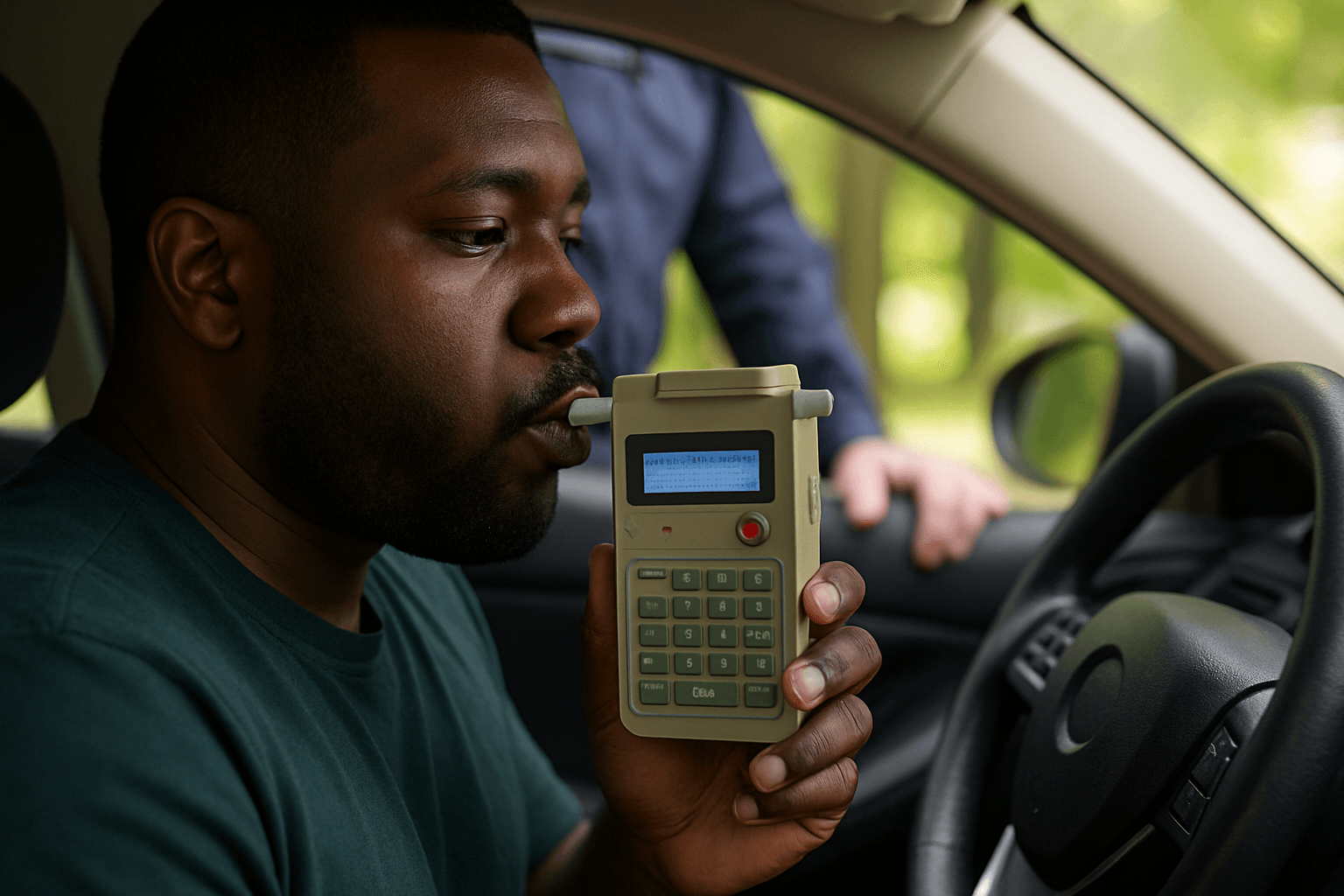





How to Compare Carriers Writing SR-22 Policies in Savannah
Not every carrier writes SR-22 policies in Georgia, and among those that do, rate structures vary significantly. Progressive, Geico, State Farm, and Dairyland all write post-DUI coverage in Chatham County, but their underwriting models weight violations differently. A driver with a single DUI and no prior points may receive a competitive quote from Progressive, while a driver with a DUI plus a prior reckless driving charge may find better rates with a non-standard specialist like Dairyland or Acceptance.
Request quotes from at least three carriers that explicitly confirm SR-22 filing capability in Georgia. Some captive agents represent only one carrier; independent agents can quote multiple non-standard options in a single session. When comparing quotes, confirm each policy meets Georgia's minimum liability limits: $25,000 per person, $50,000 per accident, $25,000 property damage. Some non-standard carriers offer only state-minimum policies; others allow you to increase limits if you want coverage above the floor.
Savannah drivers should also verify whether the quoted premium includes the SR-22 filing fee or lists it separately. Some carriers bundle it into the first month's payment; others invoice it as a standalone charge. Either structure is fine as long as you know which one you're looking at. If a quote seems unusually low, confirm the policy term — some non-standard carriers quote 6-month terms where standard carriers use 12-month terms, and the monthly breakdown can mask a higher effective annual rate.
Georgia SR-22 Filing Duration
3 years
DUI convictions require continuous SR-22 filing for 3 years from the conviction date. The period does not shorten if you maintain a clean record, and any lapse restarts the clock from zero.
O.C.G.A. § 40-5-57, Georgia DDS SR-22 compliance program
Non-Owner SR-22 Policies Cover Savannah Drivers Without a Vehicle
If you do not own a vehicle but DDS still requires SR-22 filing to satisfy your DUI reinstatement conditions, a non-owner SR-22 policy meets the legal requirement. This policy provides liability coverage when you drive a vehicle you do not own — a rental, a borrowed car, a company vehicle — and carries the SR-22 certificate DDS tracks. Non-owner policies cost significantly less than standard auto policies because they exclude collision and comprehensive coverage and assume lower annual mileage.
Geico, Progressive, Dairyland, and The General all write non-owner SR-22 policies in Georgia. Rates vary, but non-owner premiums after a DUI conviction are usually lower than insuring a titled vehicle in your name. Savannah drivers who rely on CAT transit, bike to work, or live in walkable neighborhoods near Forsyth Park or the Historic District can maintain DDS compliance without paying for coverage on a car they do not drive. Once you purchase or lease a vehicle during the 3-year filing period, you must switch from the non-owner policy to a standard policy on the titled vehicle and ensure the SR-22 transfers without a coverage gap.
Compare SR-22 Carriers Writing Post-DUI Coverage in Savannah
The next step is not budgeting for an abstract average rate or waiting to see if your current carrier will keep you. The next step is requesting quotes from carriers that specialize in high-risk coverage and confirming which one offers the lowest premium for your specific DUI record, vehicle, and Savannah ZIP code. Rates are set individually — no single carrier is cheapest for every driver, and Georgia's competitive non-standard market means comparison shopping produces measurably different outcomes than accepting the first quote you receive. Start with carriers confirmed to write SR-22 policies in Georgia, provide your conviction date and DUI details accurately, and compare the monthly premium alongside the filing fee to understand your total first-month cost.