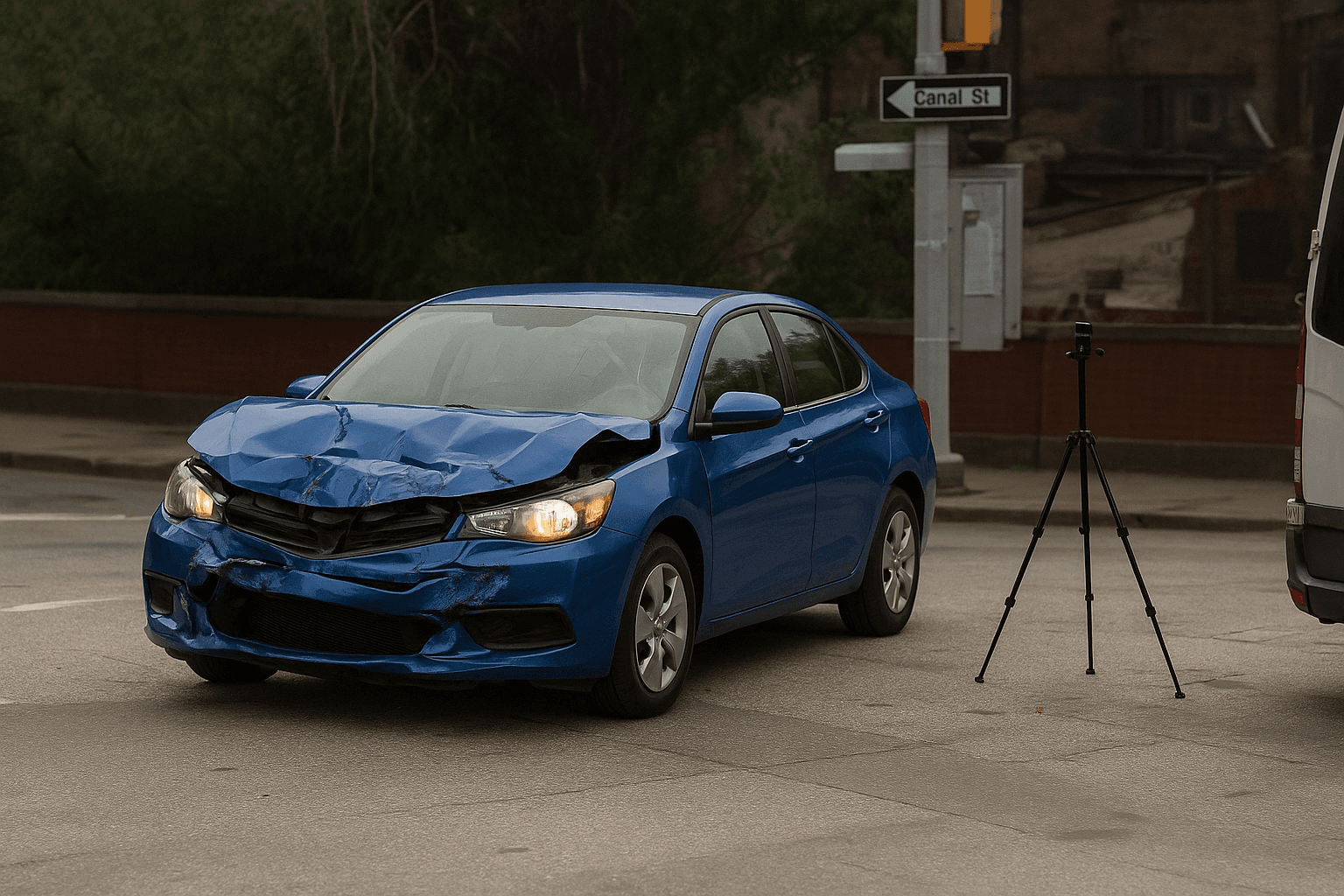
Georgia Suspends Uninsured At-Fault Drivers on First Notice
You caused an accident in Georgia without insurance on file and received a suspension notice from DDS within two weeks. The notice states your license is suspended until you file SR-22 proof of insurance and pay a $200 reinstatement fee. This is Georgia's uninsured motorist suspension — it triggers automatically through GEICS when DDS cross-references the accident report against your insurance status at the time of the crash.
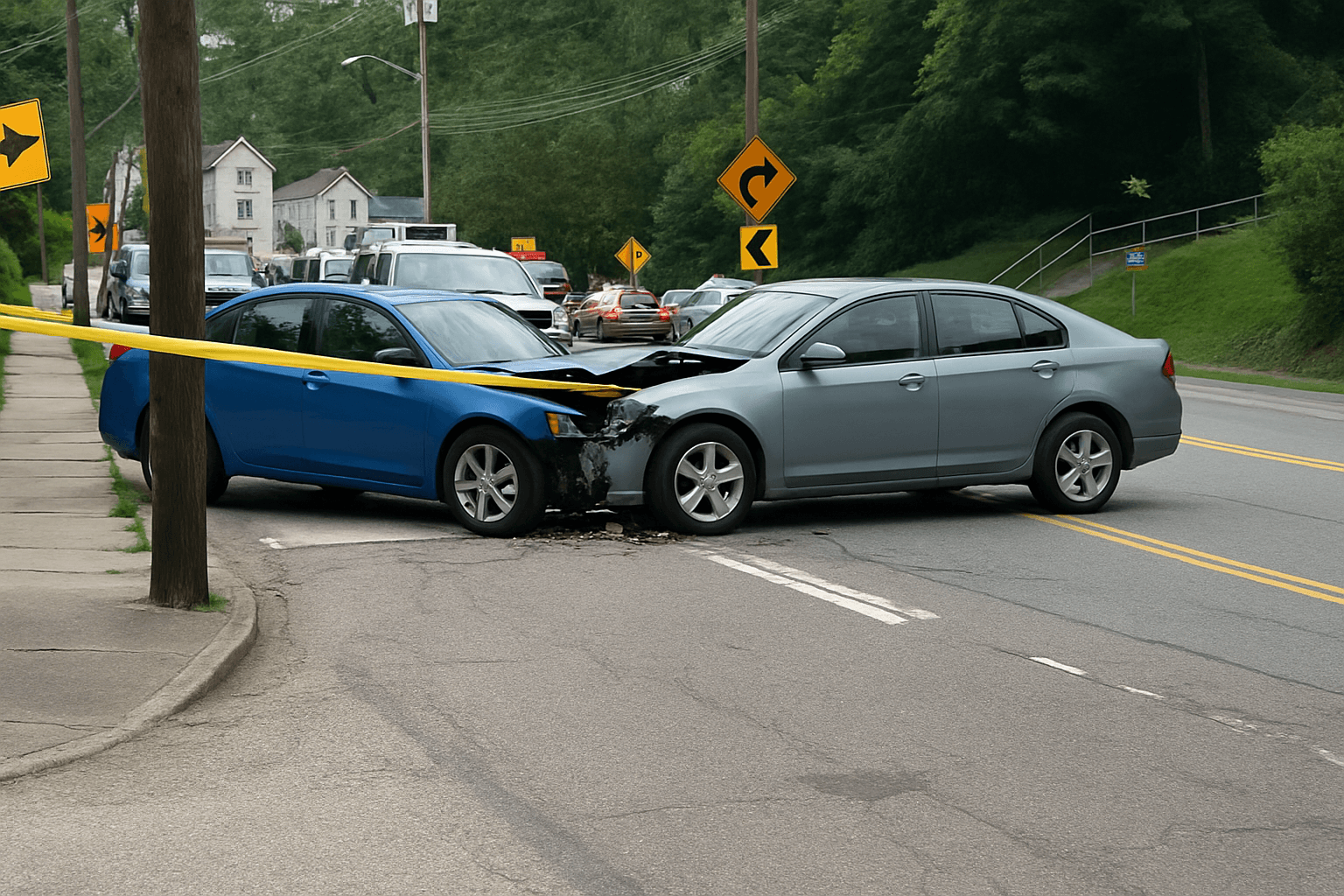
Georgia does not require SR-22 after every accident. If you had valid liability coverage when the crash occurred, DDS has no grounds to suspend your license regardless of fault. SR-22 is triggered exclusively when you were driving uninsured and caused property damage or injury. The at-fault determination comes from the police report or subsequent claims investigation — if you are found not at fault, even an uninsured accident will not trigger SR-22 in most cases.
Compare car insurance rates in your state
Get quotes from licensed carriers — no obligation, no spam, results in minutes.
Get Your Free QuoteGeorgia Uninsured Suspension Fee
$200
DDS charges a flat $200 reinstatement fee for uninsured motorist suspensions under O.C.G.A. § 40-5-58. This fee is separate from any SR-22 filing fee your carrier charges and must be paid directly to DDS before your license is restored.
O.C.G.A. § 40-5-58
SR-22 Required for Three Years After Uninsured At-Fault Accidents
Georgia requires continuous SR-22 filing for three years following an uninsured at-fault accident. The three-year clock starts the day your carrier files SR-22 with DDS, not the day of the accident. If your carrier cancels your policy or you let coverage lapse before the three years expire, DDS receives an SR-26 cancellation notice and suspends your license again within 10 days.
This is the structural reality most Georgia drivers miss: SR-22 is not a one-time filing. It is a three-year continuous-monitoring arrangement where your carrier reports your coverage status to DDS every month. You cannot satisfy the requirement by filing SR-22 once and then switching to a carrier that does not file. The moment DDS stops receiving your SR-22 updates, your license suspension reinstates automatically.
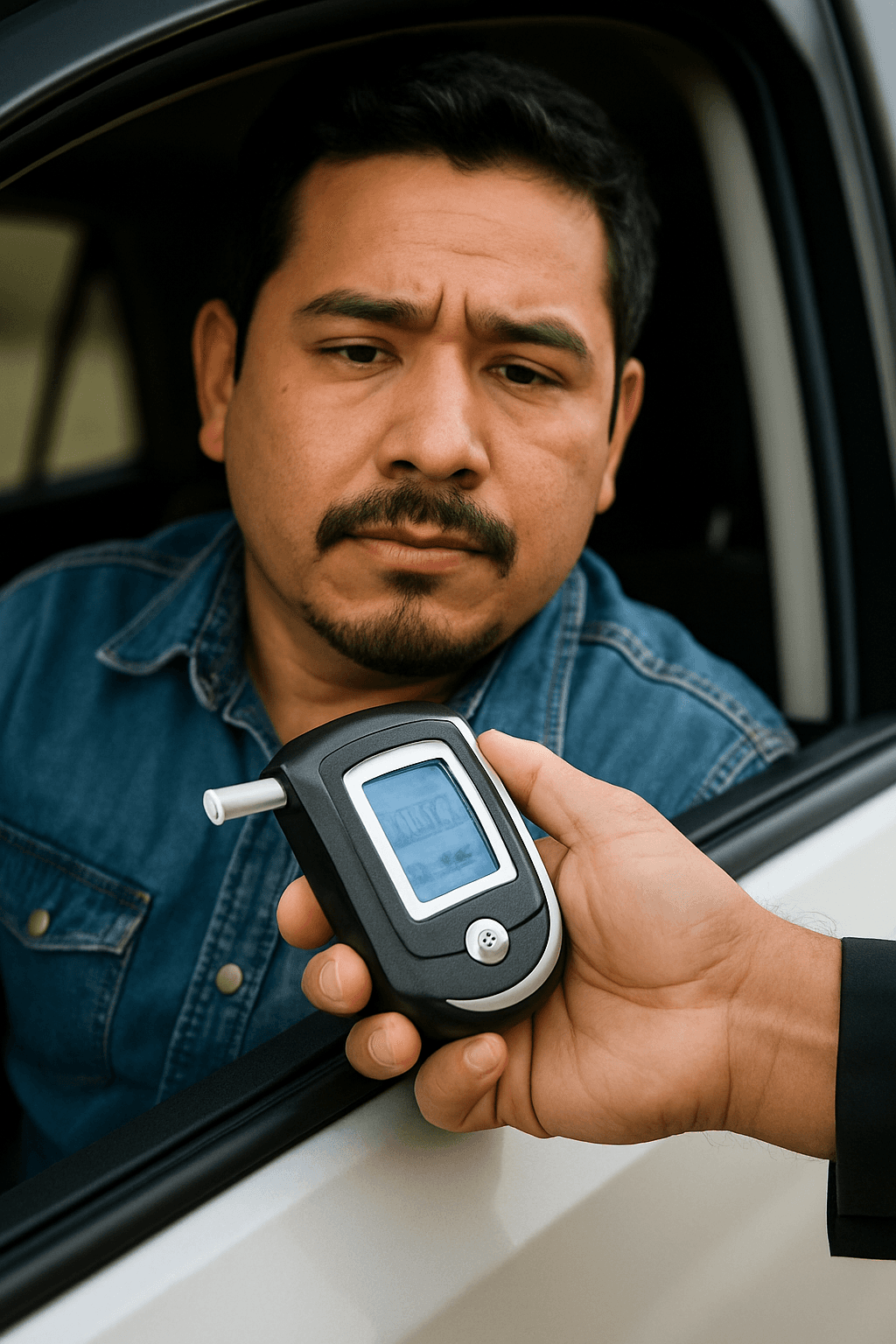
Georgia's three-year SR-22 period applies to uninsured accidents specifically. DUI convictions also require three years of SR-22, but the filing obligation runs from the conviction date. If you have both an uninsured accident and a DUI on your record, DDS tracks the longer of the two filing periods — they do not stack.
If you had valid insurance when the accident occurred, Georgia does not require SR-22 regardless of fault or damage amount.
Who Writes SR-22 After an Accident in Georgia
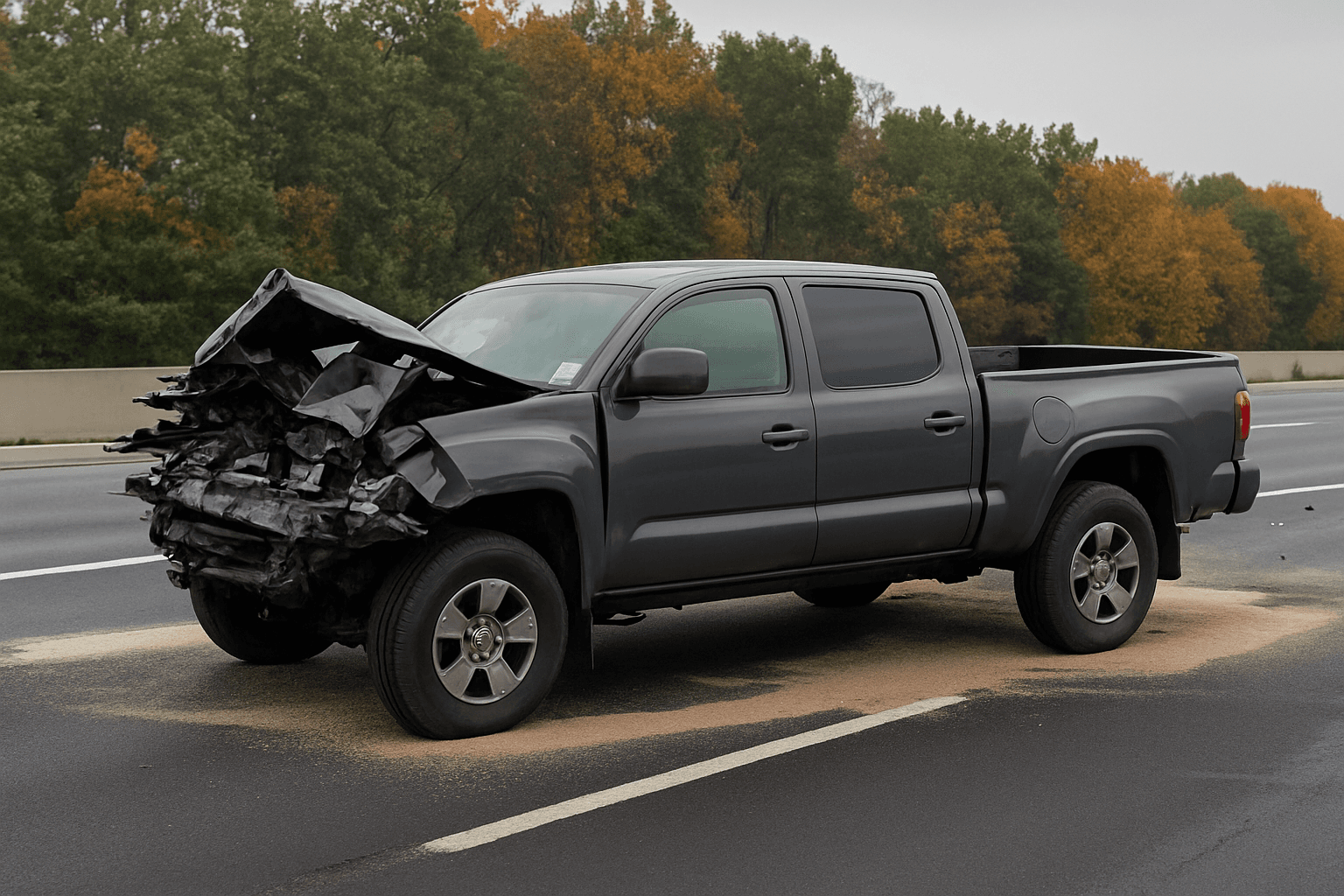
Carriers confirmed to write SR-22 after accidents in Georgia include Acceptance Insurance, Bristol West, Dairyland, Direct Auto, GAINSCO, Geico, The General, Infinity, Kemper, National General, and Progressive. These carriers operate in the non-standard or standard tiers and file SR-22 electronically with DDS within 24 hours of policy binding. State Farm writes SR-22 but typically declines applicants with recent at-fault uninsured accidents.
Non-owner SR-22 policies cover drivers who do not own a vehicle but need to satisfy DDS filing requirements. Dairyland, GAINSCO, Geico, Progressive, The General, and USAA write non-owner SR-22 in Georgia. Non-owner policies cost less than standard liability because they exclude vehicle collision and comprehensive coverage, but they carry the same three-year filing obligation and satisfy DDS reinstatement conditions identically.
Related Articles




Filing SR-22 Lifts Georgia Suspension in One to Five Days
Once your carrier files SR-22 with Georgia DDS, the system processes the filing within one to five business days. DDS updates your license status to active as soon as the SR-22 record posts, but you must still pay the $200 reinstatement fee before driving legally. The fee payment and SR-22 filing can occur in either order — some drivers pay the fee first and wait for SR-22 to post, others file SR-22 and pay the fee the same day.
Georgia DDS does not send confirmation when your suspension lifts. Check your license status online at online.dds.ga.gov using your driver's license number. The portal displays your current status, any outstanding fees, and the date your SR-22 filing posted. Print the status page and keep it in your vehicle until you receive your physical license — some officers are not familiar with the lag between electronic reinstatement and mail delivery of the updated license card.
If five business days pass and your SR-22 has not posted, contact your carrier first. Filing errors occur when the carrier submits incorrect driver's license numbers or misspelled names. DDS rejects the filing automatically and notifies the carrier, but the carrier does not always notify you. Verify your carrier submitted the filing and that DDS has no record of rejection before calling DDS directly.
Georgia SR-22 Filing Period
3 years
Georgia requires three years of continuous SR-22 filing after an uninsured at-fault accident, measured from the date your carrier first files SR-22 with DDS. If your policy lapses or cancels before three years, DDS suspends your license again until you file a new SR-22 and pay another reinstatement fee.
O.C.G.A. § 40-5-58
Limited Driving Permit Available While Filing SR-22
Georgia offers a Limited Driving Permit for uninsured motorist suspensions, but eligibility is court-dependent. You petition Superior Court in the county where you reside, provide proof of SR-22 filing, and demonstrate essential need for driving privileges. The court defines permitted purposes — typically work, school, medical appointments, and court-ordered programs — and may impose time or route restrictions.
SR-22 filing is required before the court considers your LDP petition. The court will not grant a permit without proof that you have satisfied DDS's insurance requirement. Some counties require you to pay the $200 DDS reinstatement fee before issuing the permit; others allow the permit to run concurrently with the suspension as long as SR-22 remains on file. Verify your county's specific LDP procedure with the Superior Court clerk before filing your petition.
Compare Carriers That File SR-22 After Accidents
Premiums for post-accident SR-22 policies vary significantly by carrier, county, age, and vehicle type. Georgia law does not regulate SR-22 insurance rates — carriers set their own underwriting criteria and price non-standard policies independently. The carrier that quoted you the lowest rate before the accident will not necessarily offer the best rate after.
Request quotes from at least three carriers that write post-accident SR-22 in Georgia. Provide accurate accident details, the exact suspension notice date, and your DDS-provided reinstatement requirements. Carriers evaluate recent accidents differently — some surcharge based on damage amount, others apply flat non-standard tier pricing regardless of claim size. Compare total six-month premiums including the SR-22 filing fee, not monthly estimates, to avoid mid-term surprises.