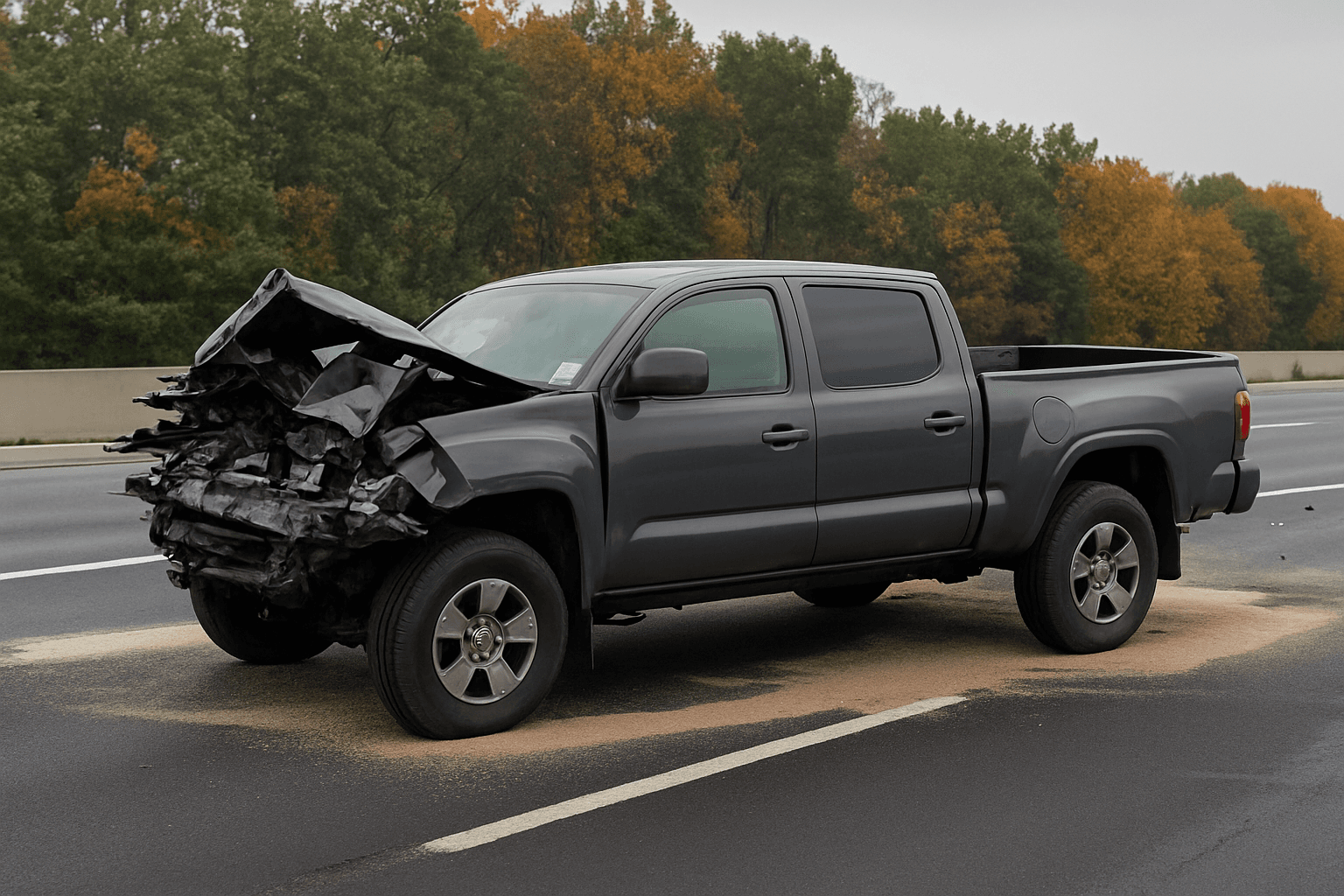
The Payment Structure Confusion After a Georgia Accident
You had an at-fault accident in Georgia. Your license is suspended. Someone told you that you need SR-22 insurance with monthly payments because you cannot afford six months upfront. The confusion starts here: most Georgia accident suspensions do not require SR-22 filing at all. SR-22 is triggered by DUI convictions and uninsured-driving violations under Georgia law, not by the accident itself.
If your accident happened while driving uninsured, or if alcohol was involved and you received a DUI charge, then yes — Georgia DDS will require SR-22 filing maintained for 3 years from reinstatement. If the accident was ordinary negligence with active insurance at the time, your suspension is administrative and reinstatement follows a different path with no SR-22 requirement. The payment structure question matters only if SR-22 applies to your specific trigger.
Compare car insurance rates in your state
Get quotes from licensed carriers — no obligation, no spam, results in minutes.
Get Your Free QuoteGeorgia SR-22 Filing Period
3 years
Georgia requires SR-22 maintained for 3 years after reinstatement for DUI and uninsured motorist violations. The clock starts from reinstatement date, not conviction or suspension date. Any lapse triggers automatic re-suspension.
Georgia Department of Driver Services
When Georgia Actually Requires SR-22 After an Accident
Georgia does not impose SR-22 for at-fault accidents alone. The filing is required when the accident occurred during uninsured driving, or when the accident resulted in a DUI arrest. O.C.G.A. § 40-5-57 governs uninsured motorist suspensions; DUI suspensions fall under O.C.G.A. § 40-5-63. Both trigger mandatory SR-22 filing as a condition of reinstatement.
If you had active liability coverage at the time of the accident and no alcohol was involved, your suspension is likely tied to failure to satisfy a judgment, unpaid fines, or a separate administrative issue. Those suspensions require reinstatement fees and proof of current insurance, but not SR-22 filing. The Georgia DDS reinstatement letter will specify whether SR-22 is required. If the letter does not mention SR-22 or certificate of financial responsibility, you do not need it.
When SR-22 is required, it is not a separate insurance product. It is a filing your carrier submits to Georgia DDS certifying that you carry at least the state minimum liability limits: $25,000 bodily injury per person, $50,000 per accident, and $25,000 property damage. Your carrier charges a one-time filing fee set by the carrier and maintains the SR-22 electronically for the full 3-year period.
Most accident suspensions in Georgia do not require SR-22. If your suspension letter does not specify certificate of financial responsibility, the filing does not apply to you.
Which Georgia Carriers Offer Monthly SR-22 Payments

Dairyland, Progressive, Geico, The General, GAINSCO, and Direct Auto all write SR-22 policies in Georgia with monthly payment options. Dairyland and GAINSCO specialize in non-standard and SR-22 cases; Progressive and Geico write across standard and non-standard tiers. The General and Direct Auto focus exclusively on high-risk drivers. All six will file SR-22 electronically with Georgia DDS and allow monthly installments, though financing fees and down payment requirements vary by carrier.
Monthly payment plans typically require a down payment equal to one or two months' premium, plus the SR-22 filing fee. The filing fee ranges from $15 to $50 depending on carrier. Monthly installments after the down payment include a financing fee, usually $5 to $10 per month. Compare the total annual cost with financing against the six-month-upfront cost from a standard carrier — the difference can exceed $200 annually.
Related Articles





Non-Owner SR-22 When You Do Not Have a Vehicle
If the accident happened in a borrowed vehicle or a vehicle you no longer own, and you do not currently have a car registered in your name, a non-owner SR-22 policy satisfies Georgia's filing requirement. Dairyland, Progressive, Geico, GAINSCO, The General, and USAA all write non-owner SR-22 in Georgia. Monthly payments are standard for non-owner policies.
Non-owner liability policies cost significantly less than standard policies because they cover only your liability when driving vehicles you do not own. Typical monthly premiums for non-owner SR-22 in Georgia range from $35 to $75 per month depending on your violation history and county. The policy does not cover a vehicle you own or a vehicle registered at your address, so if you later purchase or register a car, you must switch to a standard SR-22 policy immediately to avoid a lapse.
Georgia DDS monitors SR-22 filings electronically through the Georgia Electronic Insurance Compliance System. If your carrier cancels the policy for non-payment or you switch carriers without maintaining continuous coverage, DDS receives a cancellation notice within 24 hours and re-suspends your license automatically. Continuous coverage for the full 3-year period is mandatory.
Georgia Uninsured Suspension Reinstatement Fee
$200
Georgia charges $200 to reinstate a license suspended for uninsured motorist violation. This fee is separate from the SR-22 filing fee charged by your carrier and separate from any court fines. The $200 applies specifically to insurance-related suspensions.
Georgia Department of Driver Services
How Payment Lapses Trigger Re-Suspension in Georgia
Missing a monthly premium payment on an SR-22 policy triggers a carrier cancellation notice to Georgia DDS. The state does not provide a grace period. Once DDS receives the cancellation, your license is re-suspended immediately. Reinstatement after a lapse requires paying the $200 reinstatement fee again, filing a new SR-22 with a different carrier, and restarting the 3-year clock from the new filing date.
Carriers that offer monthly payments build this risk into their underwriting. Expect higher premiums from carriers offering installment plans compared to carriers requiring six-month upfront payment. The financing convenience costs approximately 15% to 25% more annually. If you can save for a six-month premium upfront, you will pay less over the 3-year SR-22 period, but monthly plans remain the only option for drivers without upfront cash reserves.
Compare Carriers That Write Your Specific Situation
Not every carrier that writes SR-22 in Georgia accepts all violation types. Some decline DUI cases entirely; others decline accidents with injuries or property damage above a threshold. Direct Auto and The General write the broadest range of high-risk cases. Dairyland and GAINSCO write most DUI and uninsured cases but may decline accidents involving serious injury. Progressive and Geico write selectively in the non-standard tier.
Request quotes from at least three carriers that explicitly confirm they write your violation type in your Georgia county. Monthly payment availability, down payment amount, and financing fees vary by carrier and are not disclosed until underwriting. Comparing only advertised rates without confirming acceptance of your specific accident and violation history wastes time. Compare SR-22 carriers writing Georgia DUI and accident cases and confirm monthly payment terms during the quote process.