
Why Standard SR-22 Quotes Push Delivery Drivers Into Commercial Tiers
You drive DoorDash or Uber Eats part-time, received a DUI conviction, and now need SR-22 filing to reinstate your Georgia license. When you request quotes, carriers classify you as commercial-use and quote premiums 60–80% higher than personal auto rates—even though you're delivering food in your personal sedan 15 hours a week, not operating a commercial fleet.
Georgia does not distinguish between occasional paid delivery and full-time commercial driving in its insurance statutes. Carriers interpret any income-generating vehicle use as heightened exposure, triggering commercial underwriting. The structural problem: you need personal coverage with a delivery endorsement, but most SR-22-writing carriers don't offer that middle tier. They write you as fully commercial or decline the risk entirely, leaving you with artificially inflated premiums that treat your side income like a logistics operation.
Compare car insurance rates in your state
Get quotes from licensed carriers — no obligation, no spam, results in minutes.
Get Your Free QuoteCommercial SR-22 Premium Range Georgia
$2,200–$3,800/year
Delivery drivers quoted as commercial risks in Georgia typically see annual premiums between $2,200 and $3,800 for state-minimum liability plus SR-22 filing. Personal-plus-endorsement policies from rideshare-writing carriers run 30–40% lower for identical coverage limits.
Georgia carrier filings and non-standard auto underwriting guidelines, 2024
The Coverage Classification Gap Delivery Drivers Face
Personal auto policies exclude coverage during paid delivery periods. Commercial policies cover delivery but price you as a professional courier. Georgia law requires continuous liability coverage on registered vehicles and SR-22 proof of financial responsibility for three years post-DUI conviction. The gap: no carrier category exists specifically for part-time delivery drivers who need SR-22 filing.
Standard carriers—State Farm, Allstate, Nationwide—write personal auto and commercial auto as separate products. When you disclose delivery income during the SR-22 application, underwriters route you to the commercial division. Commercial underwriters see SR-22 filing as compounded high-risk exposure and either decline or quote premiums that assume full-time commercial mileage, cargo liability, and fleet-level risk even when you're delivering 10–20 orders per week in a personal vehicle.
This is a structural underwriting problem, not a reflection of your actual risk profile. You are being priced for a category you don't occupy because the carrier lacks a middle-tier product that fits your use case.
Rideshare-writing carriers already solved this classification problem for Uber and Lyft drivers—the same personal-plus-endorsement structure works for delivery drivers, but most never know to ask for it.
Which Carriers Write Personal-Plus-Endorsement SR-22 for Delivery Drivers
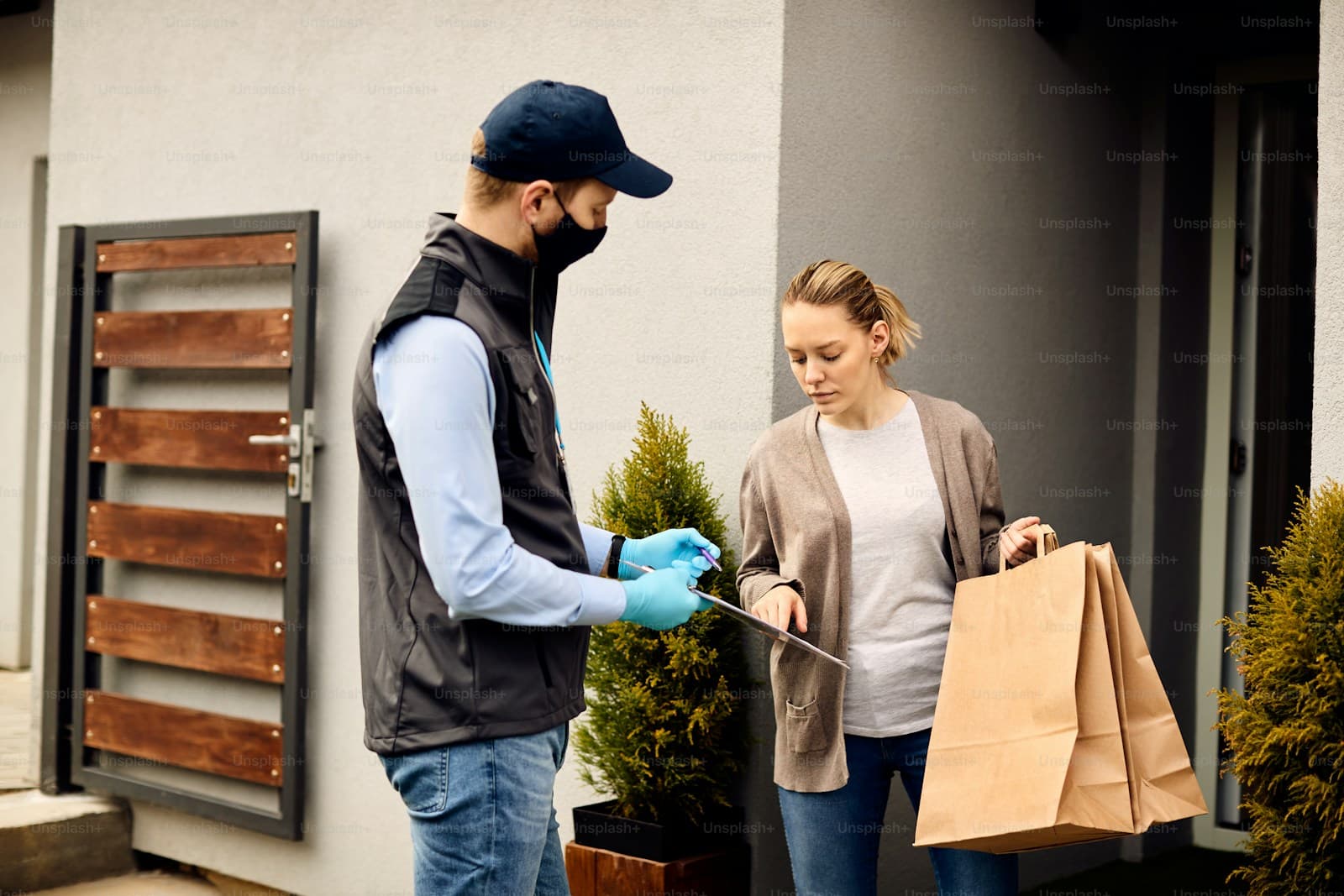
Progressive, Geico, and State Farm write rideshare endorsements in Georgia but do not consistently extend that framework to food-delivery drivers. Progressive's commercial auto division sometimes offers a delivery endorsement on personal policies for drivers with clean records, but SR-22 filing often disqualifies applicants from that underwriting path. Geico's online quote system routes delivery drivers to commercial automatically and does not surface the endorsement option during the SR-22 application flow.
Dairyland, GAINSCO, Bristol West, and Direct Auto write non-standard SR-22 policies in Georgia and have more flexible underwriting guidelines for income-generating vehicle use. Dairyland explicitly offers a delivery-driver endorsement for DoorDash, Uber Eats, and Grubhub drivers on personal policies and will attach SR-22 filing without forcing a commercial classification. GAINSCO and Bristol West underwrite delivery use case-by-case: if your weekly delivery hours are under 20 and your vehicle is personal-use outside delivery shifts, they price you as personal-tier with a surcharge rather than moving you to commercial. Direct Auto follows a similar approach but requires proof of delivery platform enrollment and average weekly hours before quoting.
Related Articles




How to Request the Correct Coverage Structure
When you contact a carrier or broker, do not say you need commercial auto insurance. Say you need a personal auto policy with a delivery endorsement and SR-22 filing. This language signals that you understand the coverage gap and prevents automatic routing to the commercial division. Provide your average weekly delivery hours, your delivery platform (DoorDash, Uber Eats, Instacart), and confirm that the vehicle is used for personal errands and commuting outside delivery shifts.
If the agent says delivery drivers must buy commercial policies, ask whether the carrier offers a rideshare or delivery endorsement on personal policies. If the answer is no, move to the next carrier. Do not accept a commercial quote without comparing at least three non-standard carriers that explicitly write delivery endorsements. The premium difference between commercial classification and personal-plus-endorsement typically ranges from $800 to $1,600 annually for the same liability limits and SR-22 filing period.
Georgia SR-22 filing is a three-year continuous requirement measured from the date DDS receives your initial filing, not from your DUI conviction date. If you switch carriers mid-period, the new carrier must file an SR-22 to replace the old one within the same day to avoid a lapse. Lapses trigger automatic license re-suspension under O.C.G.A. § 40-5-57, requiring a new reinstatement fee and restarting the three-year clock. Confirm that any carrier you switch to during the SR-22 period can file electronically with Georgia DDS and understands the zero-day-gap requirement.
Georgia SR-22 Reinstatement Fee
$200
If your SR-22 filing lapses due to a carrier switch, non-payment, or policy cancellation, Georgia DDS suspends your license administratively and charges a $200 reinstatement fee to restore driving privileges. The three-year SR-22 period restarts from the new filing date.
Georgia Department of Driver Services, O.C.G.A. § 40-5-57
What Happens If You Drive Delivery Without the Endorsement
If you carry a standard personal auto policy without a delivery endorsement and file a claim during a delivery shift, your carrier will deny coverage. Georgia is a tort state: the injured party can sue you personally for medical bills, vehicle damage, and lost wages. Without insurance coverage during the incident, you are personally liable for the full amount. If you cannot pay the judgment, Georgia DDS suspends your license under the state's financial responsibility law until you satisfy the debt or post a bond.
Driving delivery without proper coverage also violates your SR-22 filing obligation. Georgia SR-22 filing certifies that you maintain continuous liability coverage meeting state minimums: $25,000 per person, $50,000 per accident for bodily injury, and $25,000 for property damage. A denied claim exposes you as underinsured during the incident, which the carrier may report to DDS. This can trigger an SR-22 compliance review and potential suspension even if no criminal charge results from the accident.
Compare Carriers That Understand Your Use Case
Most delivery drivers quote only the carriers their delivery platform recommends or the first result in a Google search. Those carriers optimize for volume, not for SR-22 filing scenarios. Non-standard carriers like Dairyland, GAINSCO, and Bristol West specialize in high-risk and non-traditional use cases and have underwriting frameworks that accommodate delivery drivers with SR-22 requirements. They will not always appear in general search results, and many do not offer direct online quoting—you need to contact them through an independent agent or call their SR-22 division directly.
Request quotes from at least three carriers that explicitly write delivery endorsements before accepting a commercial policy. Provide identical information to each: your DUI conviction date, your Georgia driver's license number, your vehicle year/make/model, your average weekly delivery hours, and your delivery platform. Compare the annual premium, the SR-22 filing fee (typically $15–$50 depending on carrier), and whether the policy includes uninsured motorist coverage. Georgia does not require uninsured motorist coverage by statute, but it protects you if another driver hits you during a delivery and has no insurance—common in non-standard driver populations.
Once you select a carrier, confirm the SR-22 filing timeline. Georgia DDS requires electronic filing; paper filings are no longer accepted. The carrier files the SR-22 directly with DDS within 24–48 hours of policy activation. You do not file it yourself. DDS processes the filing within 1–3 business days and updates your license status to reflect active SR-22 compliance. You can verify your SR-22 status on the Georgia DDS online portal at online.dds.ga.gov using your license number.