
The Student SR-22 Premium Reality Georgia Doesn't Warn You About
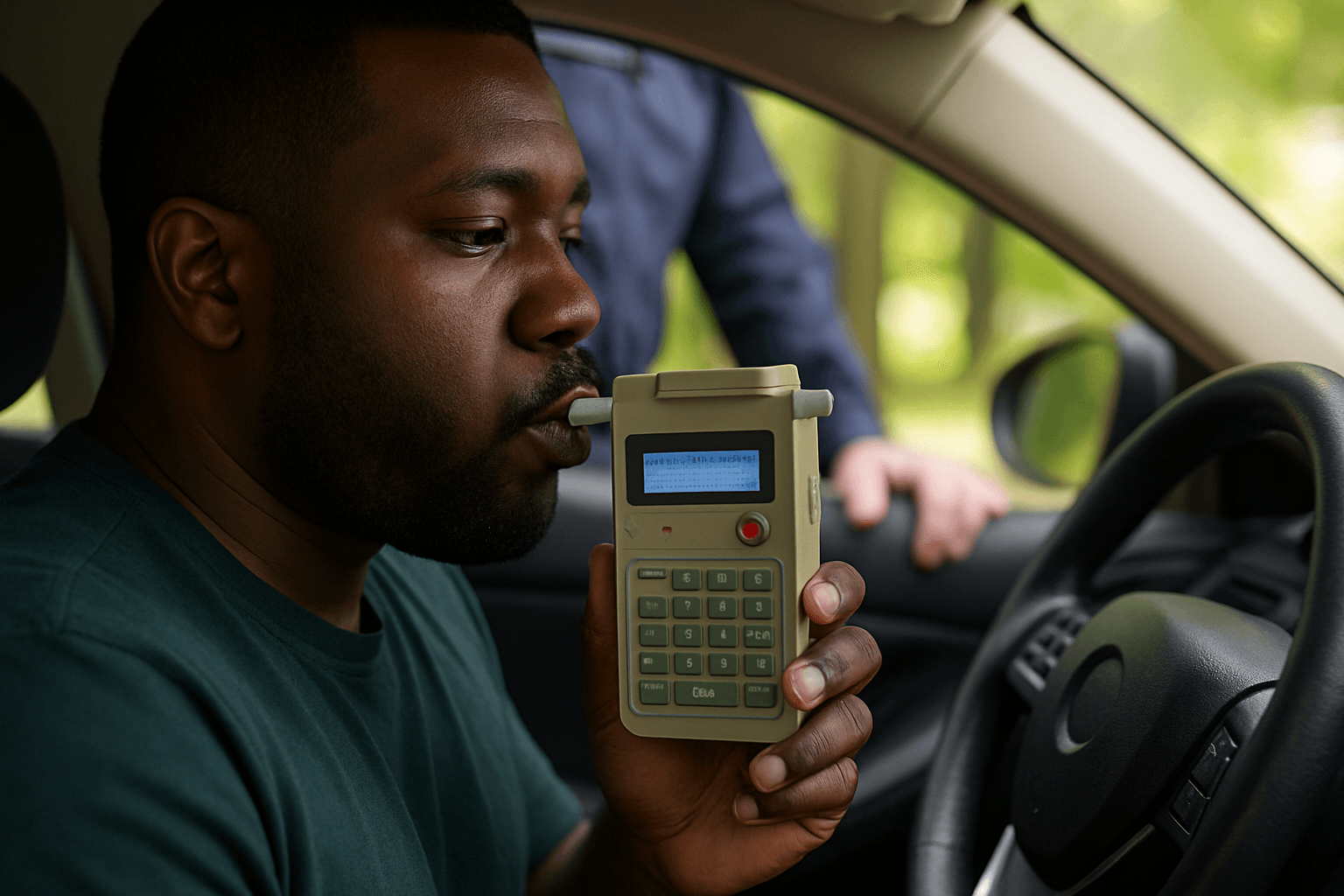
You're a Georgia college student who just received a DUI conviction. The court told you about the SR-22 requirement and the $200 reinstatement fee. What they didn't explain is that you're about to pay insurance premiums calculated at two penalty tiers simultaneously: the youthful-driver surcharge carriers apply to anyone under 25, and the high-risk surcharge they apply to DUI convictions. These don't replace each other—they stack. A clean-record 20-year-old in Atlanta pays $140–$190 per month for liability coverage. That same student after a DUI with SR-22 filing pays $280–$420 per month from the same carrier for the same coverage limits.
Georgia doesn't publish age-adjusted SR-22 rate tables. The Department of Driver Services processes your SR-22 filing the same way regardless of your age, and carriers don't segment their high-risk programs by age bracket in public filings. This creates a blind spot: most students calling for quotes hear the general "SR-22 rates are higher" message without understanding they're being quoted at compounded risk pricing. The path forward depends on whether you own a vehicle or not—the distinction matters more for students than for any other suspended-driver demographic.
Compare car insurance rates in your state
Get quotes from licensed carriers — no obligation, no spam, results in minutes.
Get Your Free QuoteGeorgia Student SR-22 Premium
$280–$420/mo
College-age drivers (18-24) with owner SR-22 policies after first DUI pay approximately $280–$420 monthly for minimum liability coverage in metro Atlanta—double the clean-record youthful-driver base rate of $140–$190. Rural counties drop 15-20% lower. Estimates based on available industry data; individual rates vary by driving history, vehicle, coverage selections, and location.
Why Non-Owner SR-22 Cuts Your Premium in Half
Georgia allows SR-22 filing on non-owner policies. A non-owner policy provides liability coverage when you drive a vehicle you don't own—your roommate's car, a parent's car on holiday break, a Zipcar rental. It satisfies Georgia's SR-22 requirement for the full 3-year filing period without insuring a specific vehicle. For college students living on campus without a car, this is the structural escape from double-tier pricing.
Non-owner SR-22 premiums for students in Georgia run $45–$85 per month. That's 60-75% cheaper than owner SR-22 policies, even at the same liability limits. The pricing structure is different because the carrier underwrites the policy without vehicle collision risk, without comprehensive risk, and without the mileage exposure of daily commuting. You're still coded as high-risk due to the DUI, and you're still paying the youthful-driver surcharge, but you've removed the third pricing layer—vehicle risk—from the calculation.
Most students don't realize non-owner policies exist until a parent, attorney, or financial aid officer mentions them. Georgia DDS does not distinguish between owner and non-owner SR-22 filings in reinstatement paperwork. The SR-22 form your carrier files looks identical to the state regardless of policy type. You satisfy the legal requirement at $540–$1,020 annually instead of $3,360–$5,040.
If you don't own a vehicle and campus parking isn't essential to keeping your job or enrollment, switching to non-owner SR-22 cuts your annual insurance spend by $2,800–$4,000.
Which Georgia Carriers Write Student SR-22 Policies

Progressive, Geico, and State Farm write both owner and non-owner SR-22 policies in Georgia and quote online. Progressive's non-owner SR-22 product is available directly through their site with same-day filing. Geico routes non-owner SR-22 quotes through their phone team but processes filings within 24 hours. State Farm requires an agent appointment but writes competitively for students with campus addresses in counties they serve. All three maintain SR-22 filing with Georgia DDS automatically for the full 3-year period and notify you 30 days before the filing lapses.
Dairyland, The General, and GAINSCO specialize in non-standard SR-22 policies and consistently quote 10-20% lower than the standard-tier carriers for students post-DUI. All three offer non-owner options. Dairyland's online quote tool surfaces non-owner SR-22 as a distinct product line. The General and GAINSCO require phone quotes but process SR-22 filings same-day once the policy binds. Bristol West and National General also write Georgia SR-22 but require broker intermediaries—useful if direct-quote carriers decline coverage due to a second violation or license suspension longer than 12 months.
Related Articles




The Limited Driving Permit Path During Your Suspension
Georgia issues a Limited Driving Permit through Superior Court, not through DDS. The permit allows driving for work, school, medical appointments, court-ordered programs, and other essential purposes as approved by the court. For college students, "school" explicitly includes campus commutes, on-campus jobs, required internships, and clinical placements. The court defines your route and time restrictions—there is no universal statewide schedule. Most judges limit permits to 12-16 hours per day covering class schedules and part-time work shifts.
You must file SR-22 with DDS before applying for the Limited Driving Permit. The court will not issue the permit without proof of insurance showing active SR-22 filing. Georgia requires SR-22 for virtually all Limited Driving Permit categories, including DUI-based suspensions. HB 205, effective July 2024, created a distinct Ignition Interlock Limited Driving Permit track for DUI arrestees, allowing immediate IID-equipped driving rather than waiting through administrative suspension. If you're a first-offense DUI case and can afford the IID installation and monthly monitoring fees, this path gets you back to campus driving within days instead of months.
The permit is a paper document, not a replacement license card. You carry it with your suspended license. If you're stopped without the permit or driving outside your court-approved purposes, your permit is revoked and your suspension period restarts. Most students lose permits due to late-night driving or weekend trips home—activities that fall outside the "essential purposes" the court approved. The penalty for violating permit terms is harsher than the penalty for the original DUI in practical terms: you lose the permit, you add 6-12 months to your suspension, and you're now applying for a second permit with a violation on record.
Georgia SR-22 Filing Period
3 years
Georgia requires SR-22 filing maintained for 3 years after DUI conviction, measured from the conviction date, not the filing date. If your SR-22 policy lapses or cancels at any point during the 3-year window, your carrier notifies DDS within 10 days and your license is suspended again immediately. You must file a new SR-22 and pay the $200 reinstatement fee to restore driving privileges.
O.C.G.A. § 40-5-57
Paying for SR-22 Insurance on a Student Budget
Georgia carriers that write student SR-22 policies offer monthly payment plans, but the financing structure is worse than standard auto policies. Non-standard SR-22 carriers charge 15-25% APR on monthly installments and require down payments equal to 2-3 months of premium. If you're quoted $85 per month for non-owner SR-22, expect to pay $170–$255 upfront, then $85 monthly for 11-10 months depending on the carrier's term structure. If you miss a payment, most SR-22 carriers cancel your policy within 10 days—shorter than the 30-day grace period standard-tier carriers provide.
Paying every 6 months in full eliminates financing fees and drops your effective monthly cost by $8–$15. If your parents, a relative, or financial aid refund can cover $510–$540 upfront for a 6-month non-owner SR-22 term, you avoid the installment markup entirely. Some carriers offer small discounts for setting up autopay from a checking account, but the discount rarely exceeds $3–$5 per month and doesn't offset the risk of overdraft fees if your account balance is tight.
What to Do Right Now
Pull your Georgia DDS suspension notice and confirm your SR-22 filing deadline. Most DUI suspensions in Georgia begin 30 days after conviction, and the court sets your reinstatement eligibility date based on whether this is a first or subsequent offense. If you're still within your suspension period, file SR-22 now—you don't need to wait until the suspension ends, and filing early starts your 3-year clock sooner. If you've already completed your suspension but haven't reinstated, you cannot drive legally until you file SR-22, pay the $200 reinstatement fee, and receive confirmation from DDS that your license is active.
Get quotes from Progressive, Geico, Dairyland, and The General for both owner and non-owner SR-22 policies. If you don't own a vehicle and won't need one for campus life, the non-owner option will save you $2,800–$4,000 annually. If you do own a vehicle, compare the cost of keeping it insured under SR-22 against selling it, switching to non-owner SR-22, and using campus transit or ride-sharing for three years. For most college students, the financial math favors selling the car. Compare carriers writing SR-22 policies in your Georgia county and confirm same-day or next-day filing timelines before binding coverage.