At-Fault Crash Plus SR-22: What Actually Triggered the Filing Requirement
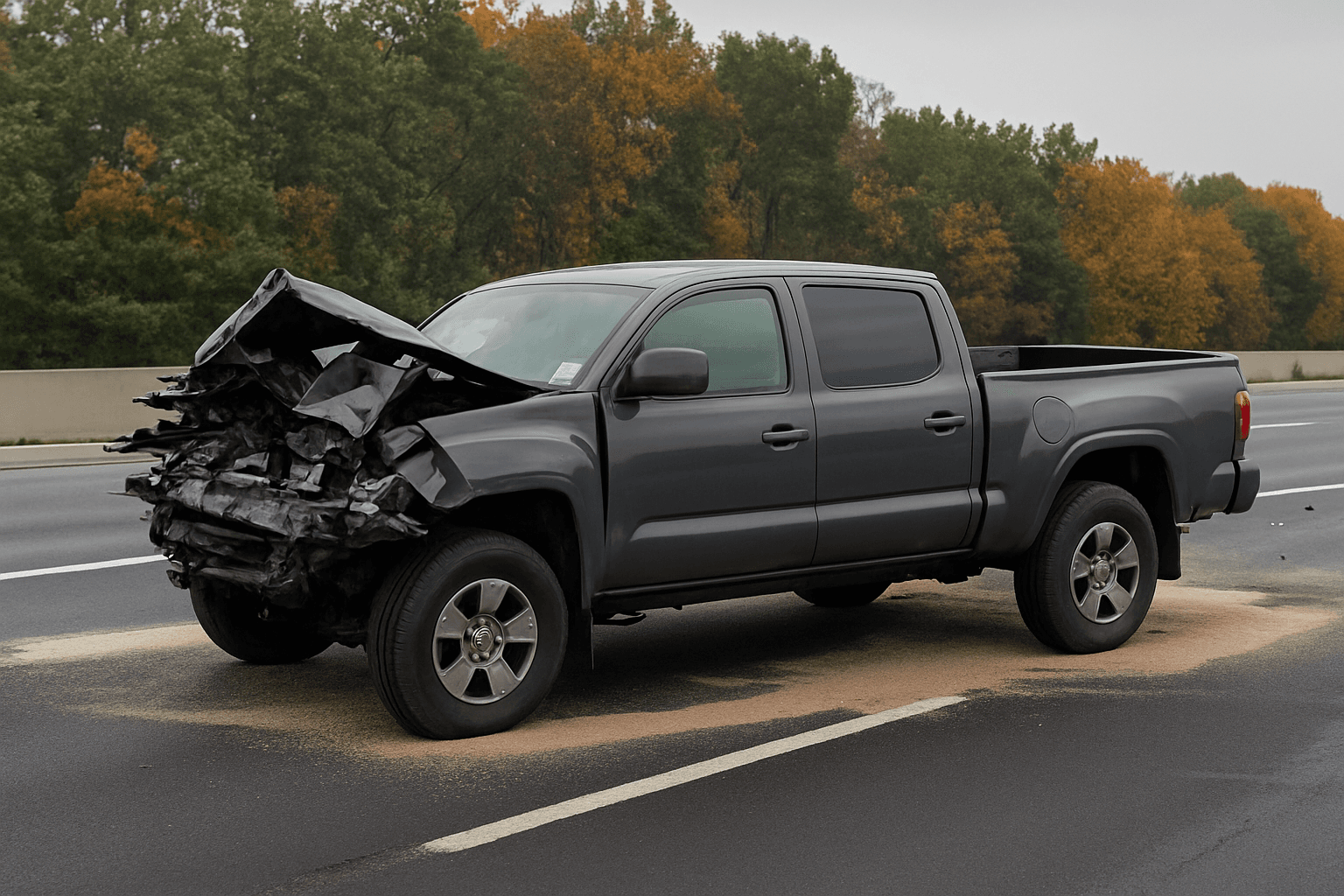
You caused an accident in Georgia, your license was suspended, and now someone told you that you need SR-22 insurance to get it back. The confusion is structural: Georgia does not require SR-22 filing simply because you caused an at-fault crash. The filing requirement comes from what the accident produced — a DUI conviction, driving uninsured at the time of the crash, or accumulating enough prior violations that the accident pushed you past the habitual-violator threshold. The at-fault accident is the event; the violation type is what triggers the SR-22.
This article clarifies which violations actually require SR-22 in Georgia, what the filing costs when you're already facing non-standard pricing, and which carriers write coverage for drivers in your position. If you're comparing quotes right now and seeing wildly different monthly premiums, the variance isn't random — it's tier placement, and understanding your actual violation determines which carriers will even quote you.
Compare car insurance rates in your state
Get quotes from licensed carriers — no obligation, no spam, results in minutes.
Get Your Free QuoteGeorgia SR-22 Filing Period
3 years
Georgia requires continuous SR-22 coverage for 3 years following reinstatement for DUI and uninsured-motorist violations. The period runs from the date DDS reinstates your license, not from the date of the original violation. If your SR-22 lapses for any reason during those 3 years, Georgia DDS will re-suspend your license immediately.
Georgia Department of Driver Services, O.C.G.A. § 40-5-57
Which Georgia Violations Actually Require SR-22 After an Accident
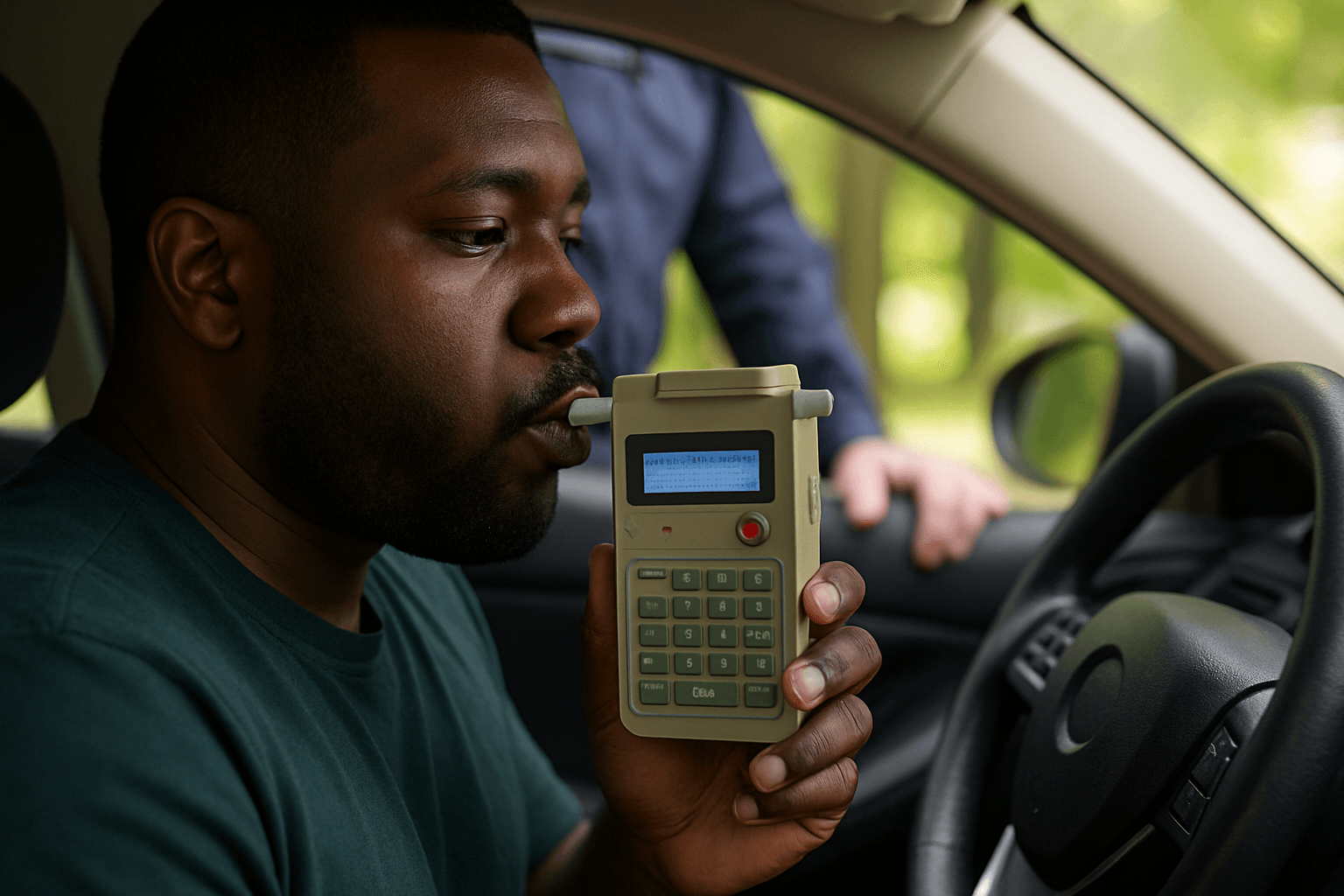
Georgia law requires SR-22 proof-of-insurance certificates for a short list of violation types: DUI convictions under O.C.G.A. § 40-6-391, driving without insurance (uninsured motorist violations under O.C.G.A. § 33-34-12), certain habitual-violator designations under O.C.G.A. § 40-5-58, and reinstatement following specific administrative suspensions imposed by Georgia DDS. An at-fault accident that does not produce one of these underlying violations does not trigger SR-22. If your crash led to a DUI arrest and conviction, SR-22 is mandatory. If you were driving uninsured at the time of the crash and Georgia's Electronic Insurance Compliance System (GEICS) flagged the lapse, SR-22 is mandatory. If the accident was simply negligent driving with valid insurance and no DUI, no SR-22 is required for reinstatement.
The practical test: check your suspension notice from Georgia DDS. If the notice explicitly states that you must file an SR-22 certificate, the requirement is real. If the notice lists reinstatement conditions without mentioning SR-22 or proof-of-insurance certificate filing, you do not need one. Many drivers assume SR-22 is automatic after any suspension; it is not. Georgia's SR-22 requirement is violation-specific, not suspension-general.
This distinction matters because SR-22 filing itself is inexpensive — most carriers charge between $15 and $50 as a one-time administrative fee set by the carrier. The real cost is the non-standard insurance tier that comes with the underlying violation. If you're facing DUI-tier pricing, you're already in the highest-cost category Georgia carriers write. Adding SR-22 to that tier changes almost nothing. But if your suspension came from unpaid tickets or points accumulation without SR-22, forcing yourself into SR-22-required coverage when you don't legally need it locks you into non-standard pricing you could have avoided.
If your suspension notice from Georgia DDS does not explicitly require SR-22 or proof-of-insurance certificate, you do not need SR-22 coverage — paying for it anyway moves you into a more expensive tier for no legal benefit.
How Georgia Carriers Price At-Fault Accidents Plus SR-22

Georgia carriers divide drivers into preferred, standard, and non-standard tiers. Preferred tier serves clean-record drivers with no at-fault accidents and no violations in the past 3-5 years. Standard tier serves drivers with one minor violation or one not-at-fault accident. Non-standard tier serves drivers with DUI convictions, uninsured-motorist violations, multiple at-fault accidents, suspended licenses, or SR-22 filing requirements. Once you're in non-standard, you're in non-standard — the specific combination of violations within that tier changes your monthly premium, but it doesn't move you to a worse tier because there is no worse tier.
The at-fault accident surcharge in Georgia typically adds 20-40% to your base premium for 3-5 years from the accident date, depending on the carrier's individual rating algorithm. The SR-22 filing itself adds almost nothing — the $15-$50 one-time fee is the only direct cost. What changes everything is the underlying violation that required SR-22. A DUI conviction in Georgia pushes your premium into the highest non-standard pricing band carriers offer, often 2-3 times higher than standard-tier pricing for the same coverage limits. The at-fault accident surcharge stacks on top of that base, but the DUI is doing most of the damage.
Related Articles


Which Georgia Carriers Write SR-22 After At-Fault Accidents
Not all carriers write SR-22 coverage in Georgia, and not all non-standard carriers accept drivers with both an at-fault accident and a DUI or uninsured-motorist violation on record. The carriers most likely to quote your situation: Progressive writes SR-22 and non-owner SR-22 in Georgia and accepts DUI convictions and at-fault accidents within the same policy period. Geico writes SR-22 in Georgia and will quote drivers with one DUI and one at-fault accident, though approval depends on how recent each event is. State Farm writes SR-22 in Georgia but reserves underwriting discretion for drivers with multiple concurrent violations — expect either a high quote or a declination if your DUI and accident occurred within the same 12-month window.
Non-standard specialists writing Georgia SR-22: Dairyland, Bristol West, Direct Auto, The General, Acceptance Insurance, Infinity, National General, and GAINSCO. These carriers exist specifically to write coverage for drivers whom preferred and standard carriers decline. Monthly premiums from non-standard specialists are higher than standard-market rates, but they're often the only option available when your violation profile pushes you out of the standard market entirely. If you're comparing quotes and seeing one carrier at $220/month and another at $85/month, the difference is usually tier placement — the $85 quote may be excluding your SR-22 requirement or misclassifying your violation.
Georgia operates the Georgia Electronic Insurance Compliance System (GEICS), which monitors your insurance status in near-real-time. When you buy SR-22 coverage, your carrier files the certificate electronically with Georgia DDS. If your policy lapses for nonpayment or cancellation, GEICS notifies DDS immediately, and DDS re-suspends your license within days. Choose a carrier you can afford to keep paying for the full 3-year SR-22 period. A cheaper monthly premium that you cannot sustain for 36 months is more expensive than a slightly higher premium you can budget around, because every lapse restarts the 3-year clock and adds a new suspension to your record.
Georgia Reinstatement Fee
$200
Georgia charges a $200 reinstatement fee for uninsured-motorist suspensions, paid to Georgia DDS before your license is restored. This fee is separate from any court fines, SR-22 filing fees, or insurance premiums. The reinstatement fee applies per suspension event; if your SR-22 lapses and DDS re-suspends your license, you pay the $200 fee again when you reinstate the second time.
Georgia Department of Driver Services
Non-Owner SR-22 When You Don't Own a Vehicle After the Accident
If you no longer own a vehicle — because you sold it after the accident, because it was totaled, or because you cannot afford to keep a car while suspended — Georgia still requires SR-22 filing for the full 3-year period if your violation mandates it. Non-owner SR-22 policies solve this: they provide liability coverage when you drive someone else's vehicle, and they satisfy Georgia DDS's SR-22 filing requirement without requiring you to insure a vehicle you do not own. Non-owner policies cost significantly less than standard auto policies because they exclude collision and comprehensive coverage and cover only liability exposure.
Carriers writing non-owner SR-22 in Georgia: Progressive, Geico, Dairyland, The General, GAINSCO, and USAA (for eligible military members and families). Monthly premiums for non-owner SR-22 in Georgia typically run $40-$90/month for minimum liability limits, depending on your violation and how recent it is. This is substantially cheaper than insuring a vehicle you're not driving. If you're planning to stay off the road during your suspension period but need to maintain SR-22 for reinstatement eligibility, non-owner is the lowest-cost compliant path.
Compare Carriers Writing Your Violation Profile
Georgia SR-22 pricing after an at-fault accident varies by 200% or more between carriers writing the same violation, because non-standard underwriting is less standardized than preferred-tier pricing. One carrier may view your DUI plus at-fault accident as high but acceptable risk; another may decline to quote at all. The only way to identify the cheapest option for your specific violation combination is to compare quotes from multiple non-standard carriers simultaneously. Single-carrier quotes tell you what that one carrier charges; multi-carrier comparisons tell you what the market charges, and the market range for non-standard SR-22 is wide enough that the difference between the highest and lowest quote often exceeds $100/month for identical coverage limits.