
Non-Owner SR-22 Costs Less When You Don't Own a Car
Your Georgia license was suspended after a DUI conviction. The Georgia Department of Driver Services (DDS) told you that reinstatement requires SR-22 proof of insurance, maintained for three years. You don't own a car. You sold it before the conviction, or you're borrowing a family member's vehicle, or you rely on rideshare and public transit. Every carrier you've contacted quotes you standard auto insurance — $1,200 to $2,400 per year — to insure a vehicle you don't have.
Non-owner SR-22 policies exist for exactly this situation. They provide liability coverage when you drive a vehicle you don't own, and they satisfy Georgia's SR-22 filing requirement. Non-owner policies typically cost $300 to $600 per year after a DUI — 40 to 60 percent less than standard coverage. You're paying for liability limits, not comprehensive or collision coverage on a vehicle. The SR-22 filing itself costs $25 to $50 as a one-time carrier fee. DDS receives the same electronic proof either way.
Compare car insurance rates in your state
Get quotes from licensed carriers — no obligation, no spam, results in minutes.
Get Your Free QuoteNon-Owner SR-22 Premium Range Georgia
$300–$600/year
Georgia non-owner SR-22 policies after DUI typically cost $300 to $600 annually, compared to $1,200 to $2,400 for standard vehicle coverage. The difference reflects the absence of comprehensive and collision coverage and the reduced exposure carriers face when no specific vehicle is insured.
Estimates based on available industry data; individual rates vary.
Non-Owner Policies Provide Liability When You Drive Borrowed Vehicles
A non-owner SR-22 policy provides bodily injury and property damage liability coverage when you drive a vehicle you don't own. Georgia requires minimum liability limits of $25,000 per person, $50,000 per accident for bodily injury, and $25,000 for property damage. The non-owner policy covers you as the driver — not a specific vehicle — so it follows you into any car you borrow, rent, or use occasionally.
Non-owner policies do not provide comprehensive or collision coverage. They do not cover damage to the vehicle you're driving. If you borrow a family member's car and crash it, your non-owner policy pays for the other driver's injuries and property damage if you're at fault. The borrowed vehicle's own insurance handles damage to that vehicle, subject to its own coverage and deductible. If you later buy a car, you'll need to switch to a standard policy that covers the vehicle you now own.
The SR-22 filing attached to the non-owner policy is identical to the filing attached to a standard policy. DDS receives electronic notification that you carry liability coverage meeting state minimums. The carrier submits the SR-22 form to DDS within one to five business days of policy purchase. DDS updates your record. Three years later, when the SR-22 period ends, the carrier notifies DDS again, and the filing requirement is satisfied.
You cannot reinstate your Georgia license without maintaining continuous SR-22 coverage for the full three-year period. A lapse of even one day triggers automatic re-suspension and restarts the filing clock.
Carriers Writing Non-Owner SR-22 Policies in Georgia

Progressive, GEICO, Dairyland, GAINSCO, The General, and USAA all write non-owner SR-22 policies in Georgia. Progressive and GEICO offer online quotes for non-owner coverage, though final approval depends on your driving record. Dairyland, GAINSCO, and The General specialize in non-standard and high-risk drivers and routinely write non-owner policies after DUI. USAA restricts eligibility to military members, veterans, and their families. Bristol West also writes non-owner SR-22 policies but typically requires broker contact rather than direct online quotes.
Carriers not on this list may decline to write non-owner policies entirely, or they may refuse coverage after reviewing your DUI conviction. State Farm writes SR-22 policies in Georgia but does not consistently offer non-owner products. Allstate, Nationwide, and Travelers similarly focus on standard vehicle coverage and rarely quote non-owner policies for DUI drivers. If a carrier declines, move to the next carrier on the list above rather than attempting to argue eligibility.
Related Articles




Georgia Requires Three-Year SR-22 Filing After DUI
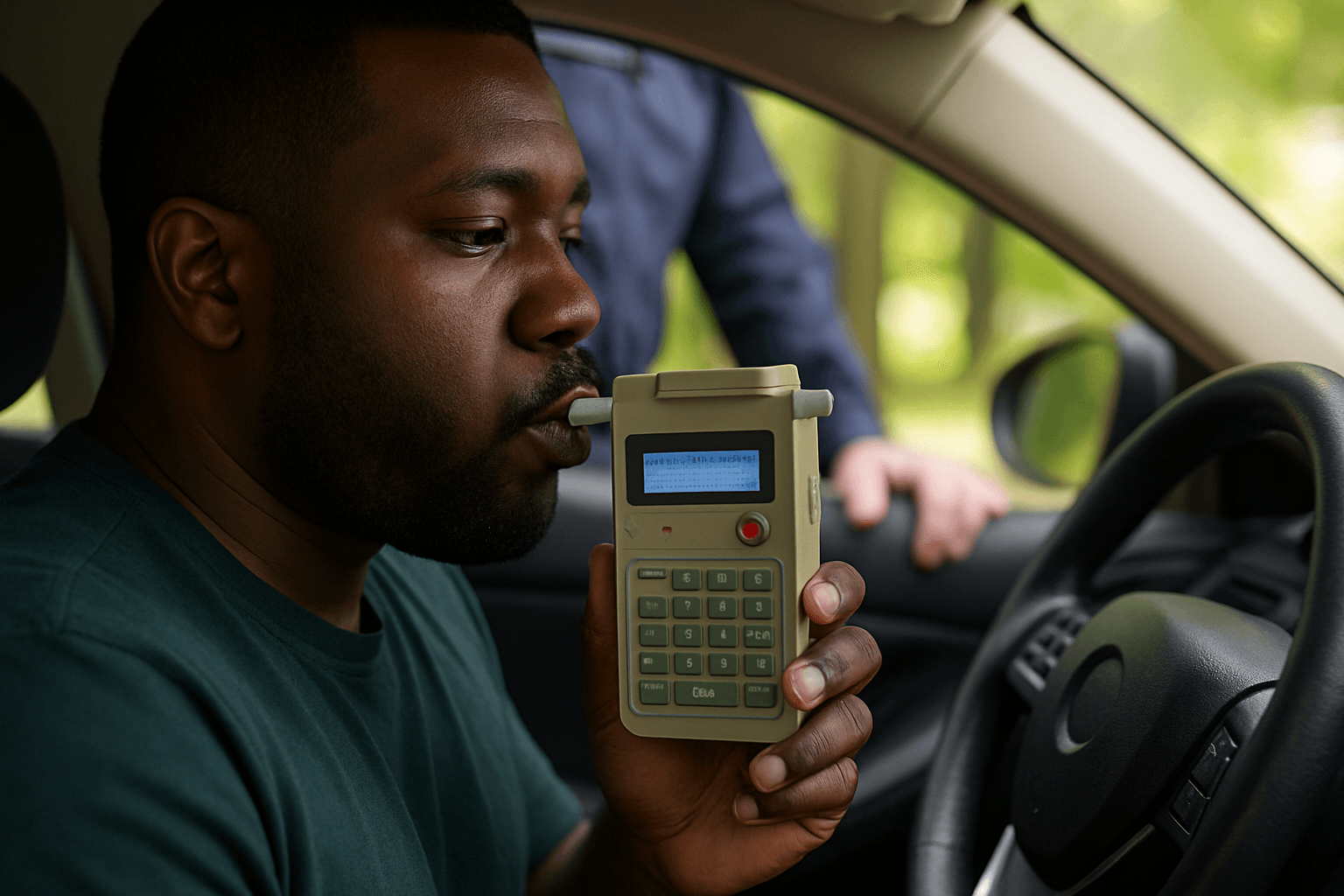
Georgia law (O.C.G.A. § 40-5-57) requires SR-22 filing for three years following a DUI conviction. The three-year period starts on your conviction date, not your filing date. If you delay purchasing SR-22 coverage for six months after conviction, you still owe three years from the conviction date — the delay does not shorten the period. DDS tracks the filing requirement independently of your suspension period. Your suspension may end before the SR-22 period does. You must maintain the SR-22 filing for the full three years even after your license is reinstated.
If your carrier cancels your policy or you cancel it yourself, the carrier notifies DDS electronically within 10 days. DDS suspends your license again immediately, with no grace period. Reinstating after an SR-22 lapse requires paying a new $200 reinstatement fee to DDS, purchasing a new policy with SR-22 filing, and restarting the three-year clock from the date DDS receives the new filing. The lapse consequence is expensive and procedurally disruptive — maintaining continuous coverage is cheaper than letting it lapse and restarting.
Some drivers mistakenly believe they can drop coverage once their hardship license period ends or once they complete DUI Risk Reduction Program requirements. The SR-22 filing requirement is independent of those milestones. DDS does not care whether you currently drive, whether you own a car, or whether you've completed all reinstatement steps. The three-year SR-22 clock runs regardless. If you cannot afford premiums, contact your carrier to discuss payment plans before letting the policy lapse — most carriers offer monthly payment options that prevent the lapse consequence.
Georgia Reinstatement Fee After Lapse
$200
Georgia charges a $200 reinstatement fee when you allow SR-22 coverage to lapse. This fee is paid to DDS in addition to the cost of purchasing a new policy and restarting the three-year filing period. Maintaining continuous coverage is significantly cheaper than restarting after a lapse.
Georgia Department of Driver Services reinstatement fee schedule
Limited Driving Permits Allow Work and School Driving During Suspension
Georgia offers a Limited Driving Permit (LDP) for DUI offenders who need to drive for work, school, medical appointments, or court-ordered programs during the suspension period. The LDP is issued by a Superior Court judge, not by DDS. You petition the court in the county where you were convicted. The court evaluates your petition, verifies that you've installed an ignition interlock device (IID) if required, and issues the LDP as a paper permit you carry alongside your suspended license.
Georgia law (HB 205, effective July 1, 2024) created a distinct Ignition Interlock Limited Driving Permit (IILDP) track for DUI arrestees. The IILDP allows you to elect IID installation immediately after arrest rather than waiting through the Administrative License Suspension (ALS) process. If you choose the IILDP route, you avoid the hard suspension period but must maintain the IID for the duration specified by the court. The IILDP requires SR-22 filing just like the standard LDP. Both permit types cost money — court filing fees, IID installation and monthly monitoring fees, and higher insurance premiums because you're driving during suspension. Expect total costs of $1,000 to $1,500 for the first year when factoring in all fees and SR-22 premiums.
Compare Carriers That Write Your Situation
Start by requesting quotes from Progressive, GEICO, Dairyland, and The General. These four carriers write the majority of non-owner SR-22 policies in Georgia after DUI and offer either online quotes or direct phone quotes without requiring a broker. Provide your conviction date, your Georgia driver's license number, and confirmation that you do not own a vehicle. The carrier will quote liability-only coverage meeting Georgia's $25,000/$50,000/$25,000 minimums and add the SR-22 filing fee. Quotes vary by 30 to 50 percent between carriers for the same coverage because non-standard carriers price DUI risk differently.
If the first carrier declines or quotes a rate above $700 per year, request quotes from GAINSCO and Bristol West. Both specialize in high-risk drivers and accept DUI convictions that other carriers decline. GAINSCO offers online quotes; Bristol West typically requires broker contact. Compare all quotes on identical coverage limits — do not accept a lower-limit policy to reduce premium unless you fully understand the liability exposure. Georgia's minimum limits are low. If you cause an accident and the other driver's medical bills exceed $25,000, you're personally liable for the difference. Increasing limits to $50,000/$100,000/$50,000 typically adds $10 to $20 per month but significantly reduces your personal exposure.