
Why Insurance Is Required for a License You Can't Fully Use
Your license was suspended after a DUI arrest and you need to drive to work, medical appointments, or court-ordered programs. You filed the Limited Driving Permit petition with Superior Court and received approval, but when you tried to drive the next day, you were told the permit isn't active yet. The court granted it—why isn't it working?
Georgia's Limited Driving Permit system has a structural gap most drivers don't discover until after court approval: the permit exists on paper but DDS won't recognize it as valid until you submit SR-22 proof of insurance and install an ignition interlock device. The court issues the permit. DDS activates it. Those are separate steps, and the activation step requires both insurance and interlock compliance signals before you can legally drive under the permit.
Compare car insurance rates in your state
Get quotes from licensed carriers — no obligation, no spam, results in minutes.
Get Your Free QuoteGeorgia DDS Reinstatement Fee
$200
This is the base administrative fee charged by Georgia DDS for reinstating a license suspended due to DUI or uninsured motorist violations. The fee is paid after your suspension period ends, separate from the LDP court filing fees and SR-22 insurance costs during the restricted period.
Georgia Department of Driver Services fee schedule
The Two-Signal Compliance Structure Georgia Uses
Georgia DDS does not accept court orders as automatic license status changes. When a Superior Court judge grants your Limited Driving Permit, the court clerk does not transmit that approval to DDS electronically. You carry a paper permit signed by the judge, but DDS maintains your license status as suspended in their system until you provide two independent compliance signals: SR-22 proof of financial responsibility and ignition interlock certification from an approved vendor.
The SR-22 filing is submitted by your insurance carrier directly to DDS. The ignition interlock certification is submitted by the IID vendor after installation and calibration. Both signals must reach DDS within the timeframe specified by your court order—typically 30 days from permit issuance—or the permit becomes void and you must refile the petition.
This dual-signal structure exists because Georgia separates judicial authority (court grants the permit) from administrative authority (DDS controls license status). The court cannot directly modify DDS records. The permit document you receive from court is proof you are authorized to drive under specific conditions, but it is not proof DDS has updated your driving privilege status. Officers checking your license during a traffic stop will see a suspended status in the DDS system until both compliance signals are received.
The court permit is not valid for driving until DDS receives both SR-22 and ignition interlock certification—typically a 7 to 10 business day lag after you think you're approved.
What SR-22 Filing Actually Does in This Process

Georgia requires SR-22 filing for virtually all Limited Driving Permit categories—DUI arrests, uninsured motorist suspensions, multiple serious violations, and habitual violator designations. The filing period is 3 years from the date DDS receives the SR-22 certificate, not 3 years from your court date or suspension start date. If your carrier cancels your policy for non-payment at any point during those 3 years, they notify DDS electronically within 24 hours and your driving privilege is suspended immediately, voiding the Limited Driving Permit.
You can obtain SR-22 filing through a standard auto insurance policy if you own a vehicle, or through a non-owner SR-22 policy if you do not own a car but need proof of insurance to satisfy the LDP requirement. Non-owner policies cost significantly less because they cover only your liability when driving someone else's vehicle, not comprehensive or collision damage to a car you own. Both policy types trigger the same SR-22 certificate filing with DDS.
Related Articles




The Ignition Interlock Requirement and Vendor Certification Timeline
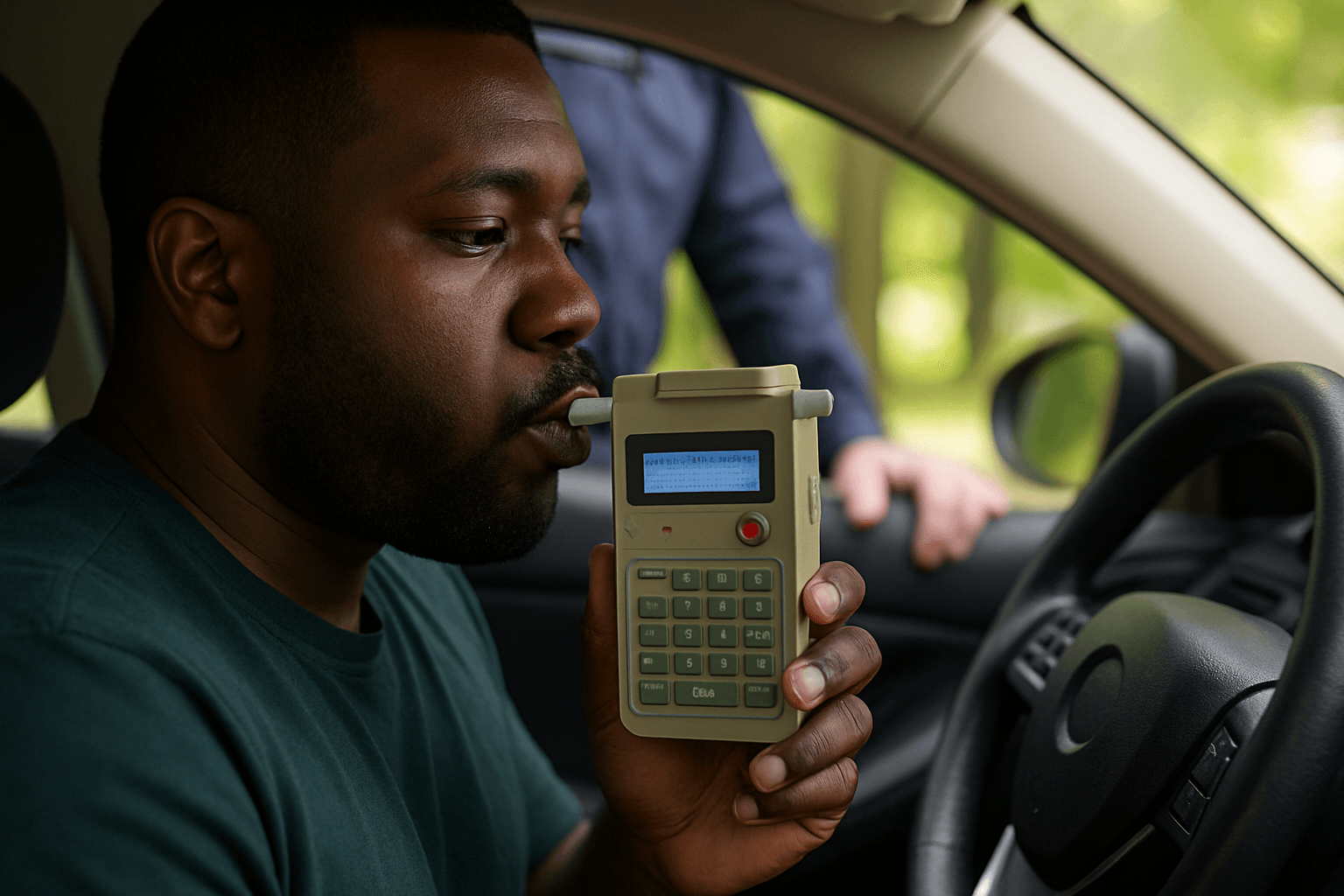
Georgia's 2024 HB 205 reform created the Ignition Interlock Limited Driving Permit pathway for DUI arrestees, making IID installation mandatory for most DUI-related LDPs. The device is installed by a state-approved vendor, calibrated to detect blood alcohol content, and requires you to provide a clean breath sample before the vehicle starts. Vendors charge installation fees (typically $75 to $150) and monthly monitoring fees (typically $60 to $90) for the duration of your permit.
After installation, the vendor submits certification to DDS confirming the device is active and compliant. This certification step takes 3 to 7 business days in most cases. Your permit is not valid for driving until DDS receives this certification, even if the device is physically installed and working. Coordinate installation timing with your SR-22 filing so both signals reach DDS within the same window.
Ignition interlock violations—failed start attempts, tampering alerts, missed calibration appointments—are reported to DDS automatically by the vendor. A single violation can trigger permit revocation and restart your suspension period from zero. The device logs every start attempt, every rolling retest, and every calibration visit. That data is transmitted to DDS monthly and becomes part of your driving record.
If you violate the permit conditions by driving outside approved hours or purposes, or if you accumulate IID violations, the court can revoke the permit without a hearing. Georgia law does not require advance notice for permit revocation based on interlock non-compliance. You discover the revocation when an officer runs your license during a traffic stop.
Georgia SR-22 Filing Duration
3 years
Georgia requires continuous SR-22 proof of insurance for 3 years after DUI conviction or uninsured motorist suspension, measured from the date DDS first receives the SR-22 certificate. If your policy lapses at any point during this period, DDS is notified within 24 hours and your license is re-suspended immediately.
Georgia O.C.G.A. § 40-5-57
How to Get Coverage That Meets the Filing Requirement
Not all carriers write policies for drivers with active DUI suspensions or ignition interlock requirements. Standard-tier carriers (Allstate, State Farm, Nationwide) typically decline applications from drivers with recent DUI convictions. Non-standard carriers specialize in high-risk driver coverage and file SR-22 certificates as part of their standard underwriting process.
When comparing carriers, confirm they are licensed to write SR-22 policies in Georgia and that they can file the certificate electronically with DDS. Paper SR-22 filings add 10 to 15 business days to the processing timeline and increase the risk your permit activation window expires before DDS receives proof. Carriers writing SR-22 in Georgia include GEICO, Progressive, Dairyland, The General, Direct Auto, Bristol West, Acceptance, GAINSCO, and Infinity. Request quotes from at least three carriers because premium variation for the same coverage profile can exceed 40% between the lowest and highest quote.
If you do not own a vehicle, request a non-owner SR-22 policy explicitly. Standard agents often default to owner-operator policies and will quote you for coverage you do not need. Non-owner policies satisfy Georgia's SR-22 filing requirement and cost substantially less than owner policies because they exclude comprehensive and collision coverage.
What Happens Next
Secure SR-22 insurance and schedule ignition interlock installation within the same week to ensure both compliance signals reach DDS before your court-ordered deadline. Confirm with your carrier that the SR-22 certificate was filed electronically and request a copy of the filing confirmation for your records. Confirm with your IID vendor that certification was transmitted to DDS and request written proof of installation date and device serial number.
Compare carriers that write SR-22 policies for Georgia drivers with ignition interlock requirements. Request quotes specifying your suspension trigger, LDP status, and required filing period. The carrier with the lowest premium is not always the best choice—prioritize carriers with electronic SR-22 filing, 24-hour policy binding, and experience writing IID-equipped driver policies.