
The Cheapest Policy Depends on What Suspended Your License
You're searching for the cheapest insurance after a Georgia license suspension because you need to reinstate, but every carrier quote you've pulled feels expensive compared to what you paid before. The structural reality: Georgia does not require insurance during suspension for most triggers, and the cheapest path forward splits cleanly between suspension types that require SR-22 filing and those that do not. Choosing the wrong product category costs you money every month until reinstatement.
Georgia suspends licenses for DUI convictions, points accumulation under the Habitual Violator statute, uninsured driving violations caught by the GEICS system, failure to appear in court, and unpaid fines. Only DUI-related suspensions trigger the SR-22 filing requirement in Georgia. Non-DUI suspensions typically require paying the reinstatement fee and clearing the underlying violation, but no SR-22. If you're pursuing insurance before confirming whether your trigger requires a filing, you're likely targeting the wrong product.
Compare car insurance rates in your state
Get quotes from licensed carriers — no obligation, no spam, results in minutes.
Get Your Free QuoteGeorgia Reinstatement Fee
$200
Georgia charges $200 for most insurance-related suspensions, payable to the Department of Driver Services before your license is restored. This fee is separate from any SR-22 filing cost and must be paid even if you do not currently own a vehicle.
Georgia Department of Driver Services reinstatement fee schedule
DUI Suspensions Require SR-22 Filing: Non-Owner Is Your Cheapest Route
If your suspension stems from a DUI conviction, Georgia requires SR-22 proof-of-insurance filing maintained for three years post-reinstatement. The SR-22 is not a type of insurance; it is a certification your carrier files with the Georgia Department of Driver Services confirming you carry at least the state minimum liability coverage: $25,000 per person bodily injury, $50,000 per accident bodily injury, and $25,000 property damage.
If you do not currently own a vehicle, a non-owner SR-22 policy is the cheapest option by a wide margin. Non-owner policies provide liability coverage when you drive a borrowed or rented vehicle and satisfy Georgia's SR-22 filing requirement without the cost of insuring a titled vehicle. Monthly premiums for non-owner SR-22 in Georgia after a DUI typically run $40 to $65 per month with non-standard carriers that specialize in high-risk drivers.
Carriers writing non-owner SR-22 in Georgia include Dairyland, Progressive, Geico, The General, and USAA (for eligible military members). These carriers file the SR-22 certificate electronically with DDS within 24 to 48 hours of binding coverage. If you own a vehicle, you will need a standard auto policy with SR-22 endorsement, which costs significantly more due to comprehensive and collision coverage requirements most lenders impose.
The SR-22 filing itself carries a small one-time fee set by the carrier, typically $15 to $50. This fee is separate from your premium and is charged once at policy inception and again if you change carriers during the three-year filing period. Letting your SR-22 policy lapse for any reason triggers an automatic notification to DDS and re-suspends your license immediately, restarting the three-year clock.
Non-DUI Georgia suspensions do not require SR-22. Buying SR-22 coverage when your trigger does not require it wastes money on a filing you do not need.
Points, FTA, and Unpaid Fine Suspensions: Liability Only, No SR-22

For points-based suspensions under Georgia's Habitual Violator statute (15 points in 24 months), DDS suspends your license administratively. Reinstatement requires serving the suspension period, paying the $200 fee, and in some cases attending a defensive driving course. SR-22 is not required unless the points include a DUI conviction. If you do not own a vehicle and do not plan to drive during suspension, you can skip insurance entirely until reinstatement, then purchase a standard liability policy when your license is restored.
Failure-to-appear and unpaid-fine suspensions require resolving the court matter and paying both the court's fees and the DDS reinstatement fee. Once the court notifies DDS that the matter is resolved, you pay the reinstatement fee online at online.dds.ga.gov and your license is restored within one to three business days. Insurance is not part of the reinstatement process for these triggers. The cheapest insurance after reinstatement is a standard liability-only policy meeting Georgia's minimums, which costs $50 to $90 per month depending on your county and driving history.
Related Articles
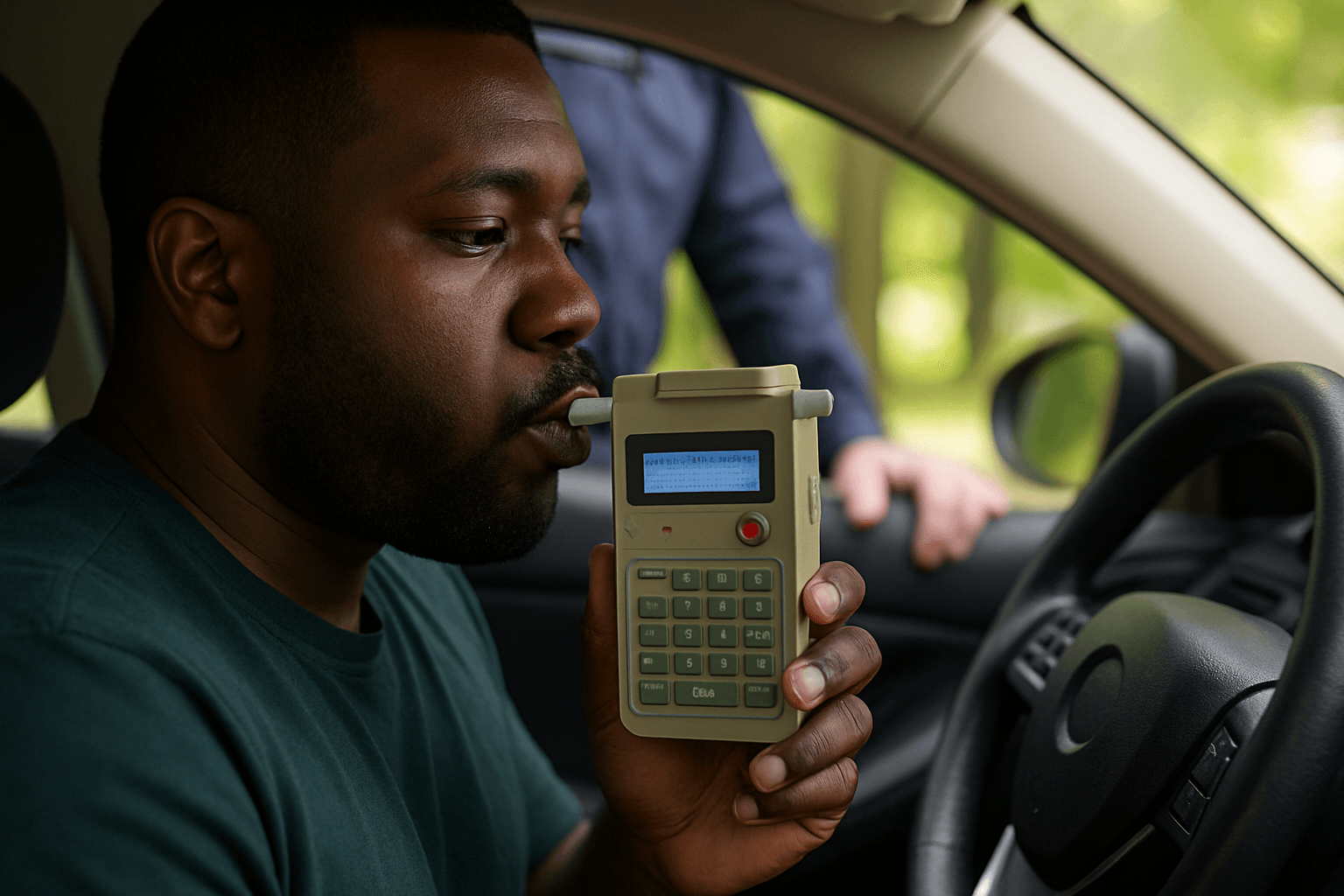




Limited Driving Permit Insurance Requirements: SR-22 Plus Vehicle Coverage
Georgia offers a Limited Driving Permit (LDP) for certain suspension types, issued by Superior Court judges rather than DDS. If you are pursuing an LDP for a DUI-related suspension, SR-22 filing is mandatory even if you do not own a vehicle. The court will not approve your LDP petition without proof of SR-22 on file with DDS.
If your LDP requires driving a specific vehicle (employer-owned, family member's vehicle, or your own titled vehicle), you need either a non-owner SR-22 policy if you are listed as an occasional driver on someone else's policy, or a full auto policy with SR-22 endorsement if the vehicle is titled to you. The court may require proof that the vehicle you plan to drive is insured and that your SR-22 certificate is active before approving restricted driving privileges.
LDP petitions require court filing fees, proof of need documentation, and in DUI cases proof of enrollment in the DUI Alcohol or Drug Use Risk Reduction Program. The ignition interlock requirement under Georgia's 2024 HB 205 reform adds another cost layer: IID installation fees of $70 to $150 and monthly monitoring fees of $60 to $90. Insurance for a vehicle equipped with an ignition interlock device does not cost more than standard coverage, but you must disclose the IID to your carrier at binding to avoid claims issues.
Georgia SR-22 Filing Period
3 years
Georgia requires continuous SR-22 filing for three years after DUI reinstatement, measured from the date your license is restored, not the conviction date. Any lapse in coverage during this period triggers automatic re-suspension and restarts the three-year clock.
Georgia Department of Driver Services SR-22 requirements
How to Find the Cheapest Carrier for Your Suspension Type
Non-standard carriers that specialize in SR-22 and high-risk drivers almost always offer lower premiums than standard-tier carriers for suspended-license situations. Acceptance Insurance, Bristol West, Direct Auto, GAINSCO, and Infinity write SR-22 policies in Georgia and quote non-owner coverage starting around $40 per month. Progressive and Geico also write non-owner SR-22 but their pricing is typically higher than non-standard specialists.
For liability-only post-reinstatement policies (no SR-22 required), standard carriers like State Farm, Allstate, and Nationwide may offer better pricing than non-standard carriers, especially if your suspension is aging off your record and you have no other violations. Request quotes from both standard and non-standard carriers and compare the six-month total premium, not just the monthly payment, because some carriers front-load fees into the first payment.
Compare Non-Standard Carriers Writing Your Suspension Type
The cheapest insurance after a Georgia suspension is the policy that matches your actual reinstatement requirement: non-owner SR-22 if your trigger is DUI and you do not own a vehicle, liability-only with no SR-22 if your trigger is points or administrative, and full coverage with SR-22 if you own a financed vehicle and your suspension is DUI-related. Calling carriers individually wastes time because most will decline to quote you once they see the suspension on your motor vehicle report.
Use a comparison tool that pulls quotes from non-standard carriers writing suspended-driver policies in Georgia. Enter your suspension type, whether you own a vehicle, and your county. The tool returns binding quotes from carriers actually writing your risk profile, filtered to those offering the coverage configuration you need. Bind online or over the phone, and the carrier files your SR-22 electronically with DDS within 24 to 48 hours if required.