When Georgia Requires SR-22 After an Accident
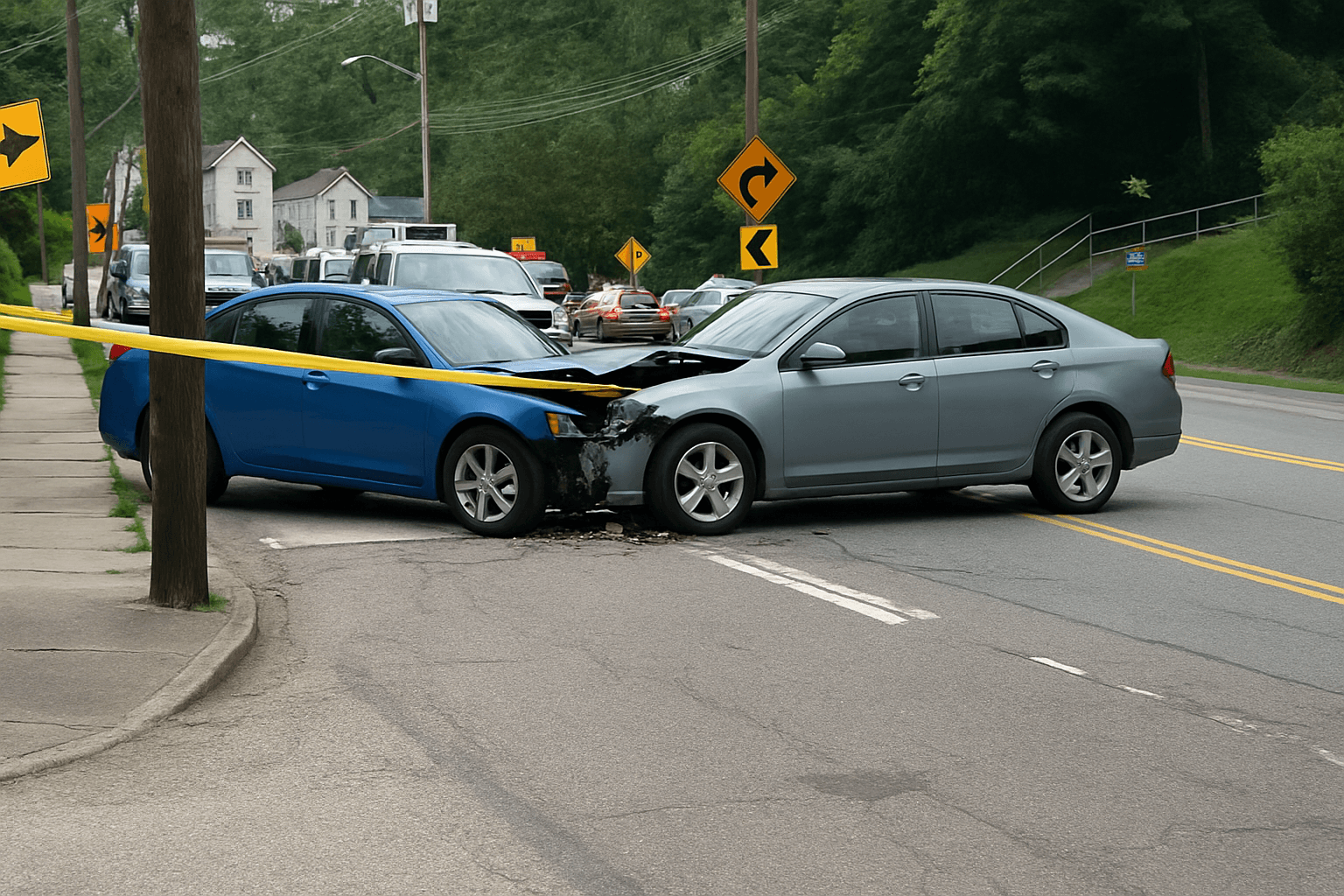
You had an accident in Georgia. Now someone is telling you that you need SR-22 insurance. The structural reality most drivers miss: Georgia does not require SR-22 because you crashed. The state requires it because the accident exposed that you were driving without valid liability coverage at the time of the collision. The Georgia Department of Driver Services treats an accident-triggered SR-22 requirement identically to any other uninsured motorist violation — the crash is simply the evidence that proved the lapse.
This distinction matters because the reinstatement pathway and filing duration depend on whether DDS classified the incident as an uninsured motorist suspension under O.C.G.A. § 33-34-12. If your insurance was active at the time of the accident, you will not face an SR-22 requirement regardless of fault or damage amount. If you were uninsured, DDS initiates a suspension and requires 3 years of continuous SR-22 filing starting from your reinstatement date.
Compare car insurance rates in your state
Get quotes from licensed carriers — no obligation, no spam, results in minutes.
Get Your Free QuoteGeorgia Reinstatement Fee
$200
This is the base fee DDS charges to restore driving privileges after an uninsured motorist suspension. It does not include the SR-22 filing fee charged by your carrier, which typically ranges from $15 to $50 as a one-time charge.
Georgia Department of Driver Services fee schedule
The Structural Reality DDS Enforces
Georgia operates the Georgia Electronic Insurance Compliance System (GEICS), which matches every registered vehicle against active liability coverage in near-real time. When an accident occurs, the investigating officer or insurance claim triggers a GEICS query. If the system shows no active policy at the time of the collision, DDS receives an automated uninsured motorist flag. The suspension process initiates from that flag, not from a court hearing or fault determination. You can be 0% at fault and still face the suspension if you were uninsured.
The confusion arises because many drivers assume fault determines the SR-22 requirement. Georgia is a traditional tort state, meaning the at-fault driver's insurer pays the injured party's damages. But the SR-22 requirement is not a liability judgment — it is a compliance mechanism. DDS does not care who caused the accident. The agency cares whether you met the continuous coverage requirement under state law.
If you had coverage at the time but your policy lapsed afterward, the accident itself does not trigger SR-22. If you let coverage lapse later and GEICS detects it, that subsequent lapse can trigger a separate suspension and SR-22 requirement, but the two events are administratively distinct.
The accident exposed your uninsured status — DDS treats exposure identically to voluntary lapse, and both carry the same 3-year SR-22 filing requirement.
What DDS Requires for Reinstatement

First, you must obtain liability coverage from a carrier licensed to write SR-22 policies in Georgia. The carrier files the SR-22 certificate electronically with DDS on your behalf. This filing proves to the state that you now carry at least the minimum required liability limits: $25,000 per person for bodily injury, $50,000 per accident for bodily injury, and $25,000 for property damage. The SR-22 is not a separate insurance product — it is a filing your carrier submits to DDS certifying that your policy is active and meets state minimums.
Second, you pay the $200 reinstatement fee directly to DDS. This can be completed online at online.dds.ga.gov if your suspension type qualifies for online reinstatement, or in person at a DDS Customer Service Center if your case requires manual review. The fee is non-refundable and applies only to the current suspension. Third, you maintain the SR-22 filing continuously for 3 years from your reinstatement date. If your policy lapses or cancels for any reason during that 3-year window, your carrier notifies DDS immediately, and your license suspends again automatically.
Related Articles





Which Carriers Write SR-22 After an Accident
Not all carriers write policies for drivers with recent uninsured motorist violations on their DDS record. Standard-tier carriers like Allstate, Nationwide, and Travelers typically decline applications from drivers currently under SR-22 filing requirements or with suspensions in the past 36 months. You will need a carrier that writes non-standard or high-risk auto insurance in Georgia and is authorized to file SR-22 certificates with DDS.
Geico, Progressive, State Farm, and USAA write SR-22 policies in Georgia and file electronically with DDS. Non-standard specialists including Acceptance Insurance, Bristol West, Dairyland, Direct Auto, GAINSCO, Infinity, The General, and National General focus specifically on drivers with violations, suspensions, and SR-22 requirements. Each carrier prices risk differently — one may quote you $140/month while another quotes $220 for identical coverage.
You can purchase a standard owner policy if you drive a vehicle you own, or a non-owner SR-22 policy if you do not currently own a car but need to satisfy DDS filing requirements. Non-owner policies provide liability coverage when you drive borrowed or rented vehicles and cost significantly less than owner policies because they carry no collision or comprehensive exposure. Both policy types satisfy the SR-22 requirement equally.
Georgia SR-22 Filing Period
3 years
DDS requires continuous SR-22 filing for 3 years following reinstatement after an uninsured motorist suspension. The period does not begin until your license is reinstated — time spent suspended does not count toward the 3-year requirement.
O.C.G.A. § 33-34-12
What Happens If You Let SR-22 Lapse
Georgia carriers report policy cancellations and lapses to DDS electronically through GEICS, typically within 24 hours of the effective cancellation date. When DDS receives a lapse notice for a driver under active SR-22 filing requirement, the system suspends the license automatically. You do not receive a grace period. The suspension is immediate, and you must repeat the entire reinstatement process: obtain new coverage, file a new SR-22, and pay the $200 reinstatement fee again.
The 3-year filing clock does not pause during the second suspension. If you were 18 months into your original 3-year requirement when the lapse occurred, you do not resume at 18 months after reinstatement — the entire 3-year period restarts from the new reinstatement date. This reset rule makes preventing lapses critical. Set up automatic payment with your carrier and monitor your bank account to ensure payments clear.
Your Next Step
Contact carriers that write SR-22 policies in Georgia and request quotes for both owner and non-owner coverage if you are not currently driving a vehicle you own. Provide your DDS driver's license number, the date of the suspension notice, and confirmation that you need SR-22 filing. The carrier will generate a quote, bind the policy once you pay the first month's premium, and file the SR-22 certificate with DDS electronically the same day. Once DDS confirms receipt of the SR-22 and you pay the reinstatement fee, your driving privileges restore immediately. Compare multiple carriers — rate variation for SR-22 policies in Georgia is significant, and the lowest quote is often not from the carrier you expect.