
The Gap Between Conviction and Reinstatement
You sold your car after the DUI arrest. You're taking the bus to work, relying on friends for errands, and waiting out the suspension period. When you call Georgia DDS to ask about reinstatement, they tell you that you need SR-22 proof of insurance. You explain that you don't own a vehicle. The answer doesn't change: SR-22 filing is required regardless.
This contradiction surfaces constantly in Georgia DUI cases. The state mandates continuous proof of liability insurance for three years post-reinstatement, but the mandate applies to the driver, not to a specific vehicle. Non-owner SR-22 policies exist to close this gap. They satisfy Georgia's filing requirement without insuring a car you don't own or drive.
Compare car insurance rates in your state
Get quotes from licensed carriers — no obligation, no spam, results in minutes.
Get Your Free QuoteGeorgia SR-22 Filing Period
3 years
Georgia requires SR-22 filing maintained for three years after DUI reinstatement under O.C.G.A. § 40-5-57. The period begins on your reinstatement date, not your conviction date. If the filing lapses at any point during the three years, DDS suspends your license again automatically.
O.C.G.A. § 40-5-57
What Non-Owner SR-22 Actually Covers
Non-owner SR-22 is liability-only coverage that follows you when you drive a vehicle you don't own. It covers bodily injury and property damage you cause while driving a borrowed car, a rental, or a friend's vehicle. The policy does not cover physical damage to the vehicle itself — that responsibility falls to the vehicle owner's policy or the rental agreement.
Georgia requires minimum liability limits of $25,000 per person for bodily injury, $50,000 per accident, and $25,000 for property damage. Non-owner policies must meet or exceed these limits to satisfy the SR-22 filing requirement. The SR-22 certificate itself is a one-page form your insurer files electronically with Georgia DDS proving that you carry continuous coverage.
The SR-22 filing fee is typically $15 to $35, charged once by the carrier when they submit the form. This is separate from your monthly premium. Some carriers waive the filing fee; others charge it annually if you renew the policy. The fee amount is set by the carrier, not by the state.
Non-owner SR-22 does not allow you to drive during suspension. You must complete your suspension period, pay the $200 reinstatement fee, and file SR-22 before DDS will restore your license.
Who Writes Non-Owner SR-22 in Georgia

Carriers confirmed to write non-owner SR-22 in Georgia after DUI include Dairyland, GAINSCO, Geico, Progressive, The General, and USAA (military-affiliated families only). Bristol West writes non-owner policies in Georgia but requires broker contact rather than online quoting. State Farm writes SR-22 but does not explicitly confirm non-owner availability post-DUI in all regions. Acceptance, Direct Auto, and Infinity write SR-22 for vehicle owners but may not offer non-owner options.
Standard-tier carriers like Allstate, American Family, Farmers, Hartford, Liberty Mutual, Nationwide, and Travelers either do not write non-owner policies or do not write them for DUI-convicted drivers in Georgia. If your violation occurred more than three years ago and you maintained continuous coverage since reinstatement, you may qualify for standard-tier pricing — but during the initial SR-22 filing period after a DUI, expect non-standard placement.
Related Articles



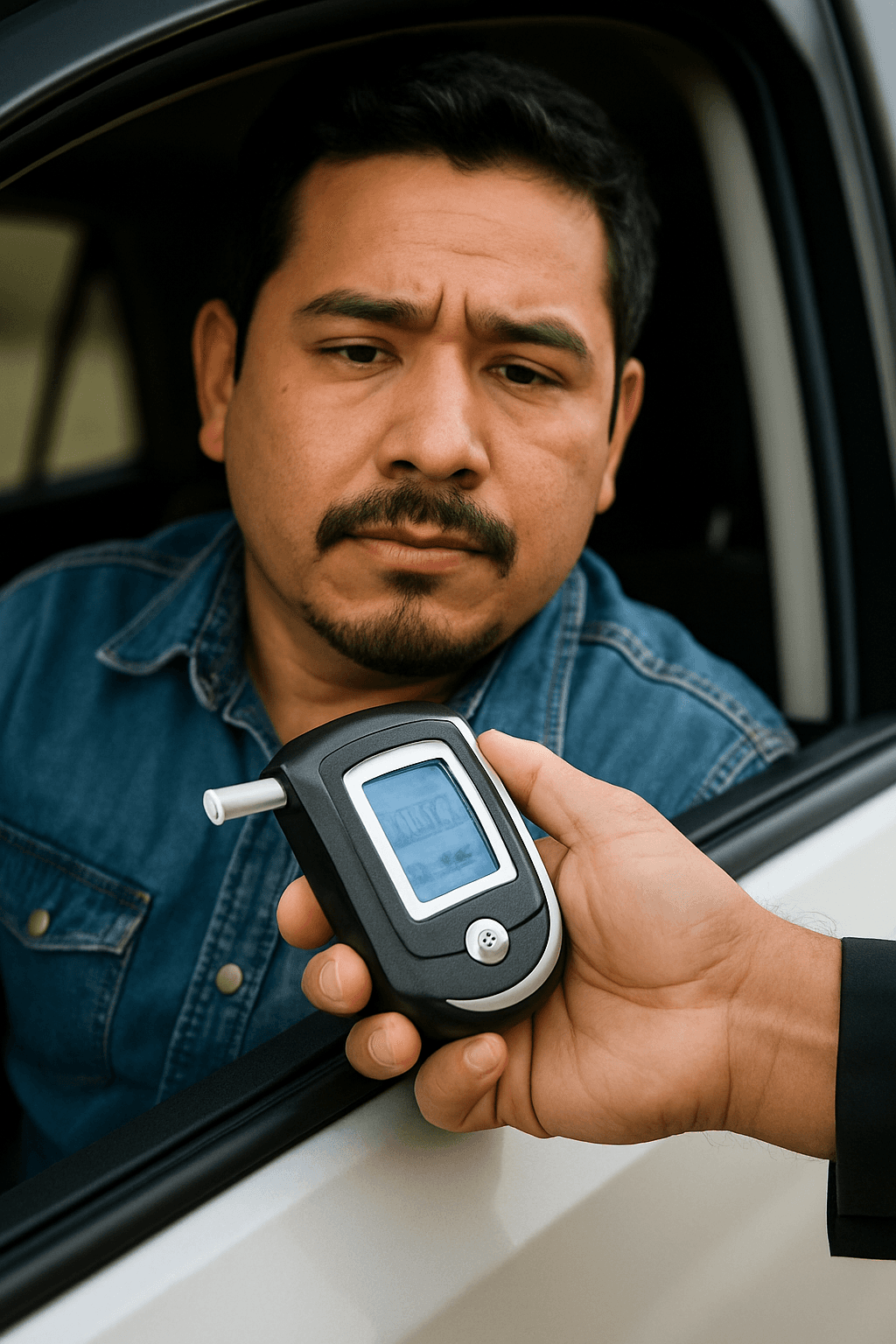

Georgia's Ignition Interlock Permit Does Not Eliminate SR-22
Georgia offers an Ignition Interlock Limited Driving Permit under HB 205, effective July 2024, allowing DUI arrestees to drive immediately with an IID-equipped vehicle rather than wait through the Administrative License Suspension process. Electing the IILDP does not eliminate the SR-22 requirement. You still need proof of insurance filed with DDS, and if you don't own a vehicle, you still need a non-owner policy to satisfy that mandate.
The IILDP is a paper permit issued by the court, not a replacement license card. It authorizes driving only in a vehicle equipped with a functioning ignition interlock device registered to your permit. If you borrow a car without IID, you violate the permit terms even if you carry non-owner SR-22 coverage. The SR-22 filing proves financial responsibility; the IID proves sobriety monitoring. Both requirements run in parallel.
Some drivers assume the non-owner SR-22 policy will cover them while driving an IID-equipped vehicle under the IILDP. It does, as long as the vehicle owner's policy also covers permissive use. Coordinate with the vehicle owner before driving. If their policy excludes you by name or excludes all drivers with DUI history, your non-owner policy becomes primary — but non-owner policies typically exclude vehicles you use regularly or vehicles registered at your household address.
Georgia DUI Reinstatement Fee
$200
Georgia charges a $200 reinstatement fee for DUI-related suspensions. This fee is paid to DDS when you apply to restore your license after completing your suspension period and fulfilling all court requirements, including the DUI Alcohol or Drug Use Risk Reduction Program. The fee is separate from SR-22 filing costs and insurance premiums.
Georgia DDS reinstatement fee schedule
When the Non-Owner Policy Ends
You must maintain the SR-22 filing continuously for three years from your reinstatement date. If you purchase a vehicle during that period, contact your carrier immediately. Most non-owner policies include an exclusion for vehicles registered to your household or titled in your name. The moment you register a vehicle, your non-owner policy may no longer provide valid coverage, and you risk driving uninsured even though you're paying premiums.
When you buy a car, your carrier will convert your non-owner policy to a standard auto policy or cancel the non-owner policy and write a new one. The SR-22 filing must transfer to the new policy without interruption. If there is even a single day gap between the non-owner cancellation and the new policy's SR-22 filing, DDS will suspend your license again and restart your three-year clock.
Compare Carriers Writing Your Situation
Non-owner SR-22 premiums after a Georgia DUI vary significantly by carrier, county, age, and how recently the conviction occurred. Carriers that specialize in non-standard risk — Dairyland, GAINSCO, Progressive's non-standard tier, The General — typically quote lower than carriers writing DUI cases reluctantly. Request quotes from at least three carriers confirmed to write non-owner SR-22 post-DUI in Georgia. Use the comparison tool on this site to identify which carriers serve your county and will quote your profile. Have your DUI conviction date, your license status, and your intended reinstatement date ready when you request quotes.