
Finding Coverage After Georgia License Suspension
You received the Georgia Department of Driver Services suspension notice. Now you're trying to figure out what insurance you need to get your license back, whether you need an SR-22 filing, and which carriers will even quote you. The DDS reinstatement letter lists requirements but doesn't tell you which companies write policies for suspended drivers or how to compare them.
Georgia's insurance requirement for reinstatement depends entirely on what caused your suspension. DUI suspensions and uninsured motorist violations require SR-22 filing with DDS for three years post-reinstatement. Points accumulation, unpaid tickets, failure to appear in court, and child support arrears typically do not require SR-22 unless the underlying violation involved insurance fraud or uninsured operation. This distinction determines which carriers you need and what tier of coverage you're shopping.
Compare car insurance rates in your state
Get quotes from licensed carriers — no obligation, no spam, results in minutes.
Get Your Free QuoteGeorgia Reinstatement Base Fee
$200
This is the standard fee for insurance-related suspensions (uninsured motorist violations). Other suspension types carry different fees set by DDS based on violation severity and administrative costs.
Georgia Department of Driver Services fee schedule
When Georgia Requires SR-22 Filing
Georgia DDS requires SR-22 proof-of-insurance certificates for DUI convictions, reckless driving convictions, and uninsured motorist violations under O.C.G.A. § 40-5-57. The SR-22 is not insurance itself — it's a filing your carrier submits to DDS electronically proving you carry at least the state minimum liability limits: $25,000 bodily injury per person, $50,000 per accident, $25,000 property damage. The filing must remain active for three years after reinstatement. If your policy lapses or cancels during that period, the carrier notifies DDS within 10 days and your license is automatically re-suspended.
Points-only suspensions (15 points accumulated within 24 months under the habitual violator provisions) do not automatically trigger SR-22 unless the underlying violations included uninsured operation or insurance fraud. Unpaid ticket suspensions, child support arrears, and failure-to-appear administrative holds require you to maintain insurance during and after reinstatement, but DDS does not require the SR-22 certificate filing unless the violation history includes one of the SR-22 triggers. If you're uncertain whether your suspension requires SR-22, the reinstatement requirements letter from DDS will explicitly state 'proof of insurance filing required' when SR-22 applies.
You cannot reinstate a Georgia license without active insurance on file with DDS, but most suspension types do not require the SR-22 certificate — standard proof of coverage satisfies reinstatement for non-SR-22 cases.
Carriers Writing Georgia Suspended Drivers

Non-standard tier carriers specialize in high-risk drivers and handle SR-22 filings as routine business. Acceptance Insurance, Bristol West, Dairyland, Direct Auto, GAINSCO, Infinity, Kemper, and The General all write Georgia suspended-driver policies with SR-22 filing. These carriers expect DUI history, points accumulation, and lapsed coverage in their underwriting models. Application processes are streamlined for SR-22 cases. Quotes are available online or through agents; most can bind coverage and file SR-22 with DDS within 24 hours of payment.
Standard tier carriers write some suspended drivers but limit acceptance to less severe violations. Geico, Progressive, and National General write Georgia SR-22 policies but typically decline applicants with multiple DUIs, habitual violator status, or fraud-related suspensions. State Farm writes SR-22 in Georgia but does not advertise suspended-driver products prominently; acceptance varies by underwriting review. These carriers price suspended drivers higher than their standard book but lower than non-standard specialists when the violation profile is mild. Preferred tier carriers (Allstate, American Family, Amica, Auto-Owners, USAA) either decline suspended drivers entirely or restrict acceptance to administrative suspensions with no underlying moving violations.
Related Articles



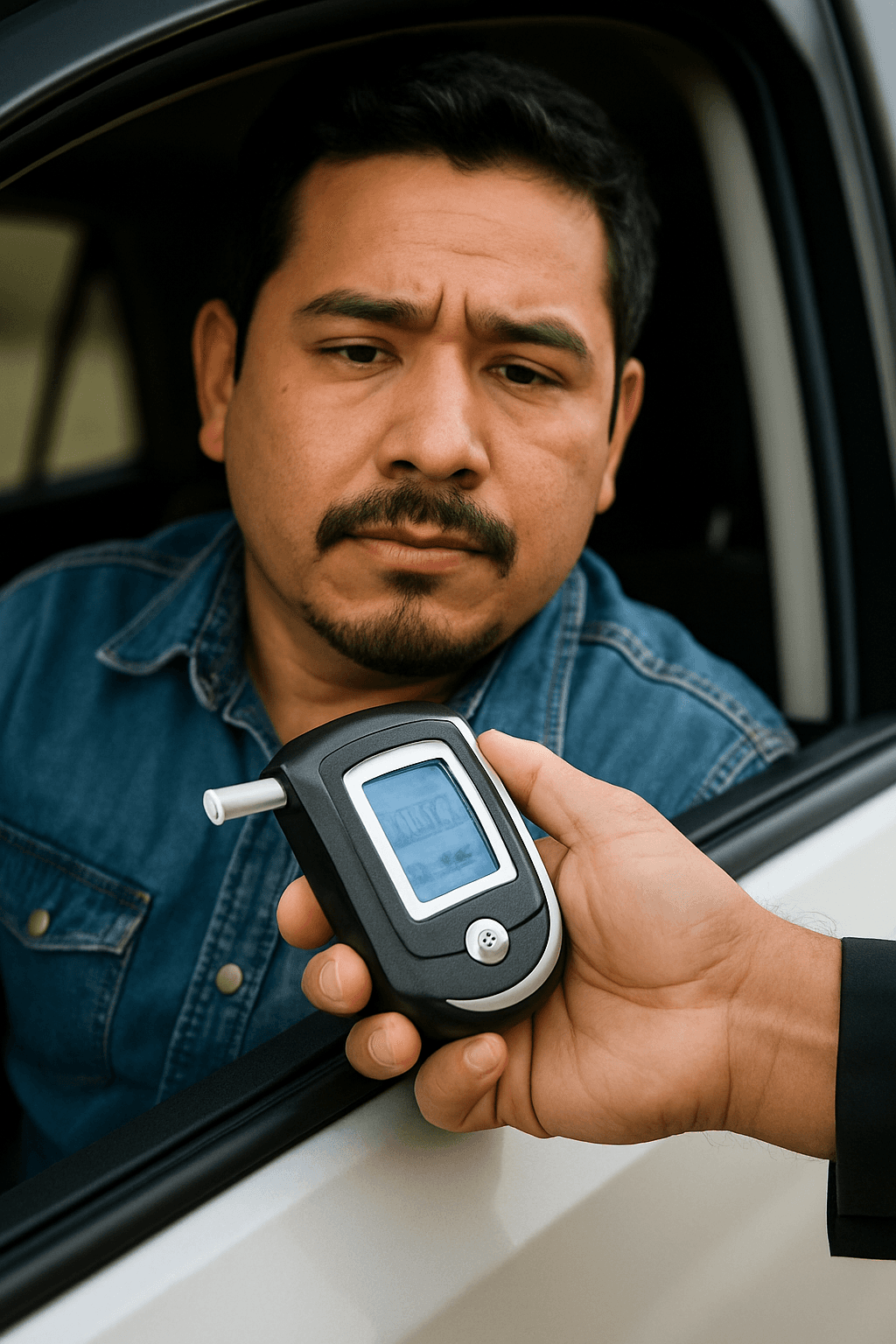
Non-Owner Policies for Suspended Drivers Without Vehicles
Georgia allows non-owner SR-22 policies to satisfy reinstatement requirements when you do not own a vehicle. A non-owner policy provides liability coverage when you drive a borrowed or rented vehicle but does not cover a specific car registered in your name. The SR-22 certificate filed with DDS proves you carry continuous liability coverage even without vehicle ownership. This is the correct product when you sold your car after suspension, rely on public transit or rideshare, or will not own a vehicle during the three-year SR-22 filing period.
Dairyland, GAINSCO, Geico, Progressive, The General, and USAA all write non-owner SR-22 policies in Georgia. Non-owner premiums are typically lower than standard policies because the carrier's risk exposure is limited to borrowed-vehicle incidents rather than a specific registered vehicle you drive daily. If you later purchase a vehicle during the SR-22 period, you must convert the non-owner policy to a standard policy and update the SR-22 filing with DDS to reflect the vehicle. Driving a vehicle you own while carrying only non-owner coverage voids the policy and triggers SR-22 lapse.
Georgia SR-22 Filing Duration
3 years
The three-year period begins on your reinstatement date, not your conviction date or suspension start date. Any lapse in coverage during those three years resets the clock and triggers automatic re-suspension until you re-file and pay reinstatement fees again.
O.C.G.A. § 40-5-57
Comparing Carriers for Your Suspension Type
Start by confirming whether your suspension requires SR-22 filing. If your DDS reinstatement letter states 'proof of insurance filing required,' you need a carrier from the lists above that writes SR-22 in Georgia. If the letter requires insurance but does not mention proof-of-insurance filing, standard coverage from any licensed Georgia carrier satisfies reinstatement without SR-22 certificate submission.
For SR-22 cases, request quotes from at least three non-standard tier carriers and two standard tier carriers if your violation profile is relatively clean (single DUI, no fraud, no habitual violator status). Non-standard specialists price competitively within their tier but vary significantly by underwriting model — one carrier's high-risk pricing for your specific violation mix may be 40% lower than another's. Standard tier carriers occasionally beat non-standard pricing for borderline cases but decline more applications. For non-owner SR-22, Dairyland and The General typically offer the lowest entry premiums in Georgia, but GAINSCO and Progressive sometimes underprice them for drivers over 30 with no DUI history.
Request binding quotes with SR-22 filing included in the quoted premium. Some carriers quote base liability premium and add SR-22 filing fees at bind; others include filing fees in the quoted figure. Georgia carriers charge filing fees ranging from $15 to $50 as a one-time processing charge separate from premium. Clarify total first-payment amount before binding. Verify the carrier will file SR-22 electronically with DDS within 24 hours of payment so reinstatement is not delayed by manual filing lag.
Move Forward With Reinstatement Coverage
Pull quotes from the non-standard and standard tier carriers listed above that write your suspension type. If you need SR-22, confirm the carrier handles electronic filing with Georgia DDS and clarify total cost including filing fees. If you do not own a vehicle, request non-owner SR-22 quotes specifically. Bind coverage before visiting DDS to reinstate — you cannot complete reinstatement without active insurance already on file, and most carriers file SR-22 certificates with DDS within hours of payment, not days.