
Why Roswell SR-22 Quotes Scatter Across Carrier Tiers
You received a DUI conviction in Roswell, your Georgia license is suspended, and the court told you to get SR-22 insurance before reinstatement. You pulled quotes from the carriers you know—State Farm, Allstate, Progressive—and the monthly premiums ranged from unaffordable to outright rejection. The confusion is structural: Georgia's SR-22 requirement applies exclusively to DUI convictions, and most standard-tier carriers either decline post-DUI risks entirely or price them into a non-competitive range. The carriers that specialize in high-risk coverage control your actual quote, and they don't advertise on highway billboards.
Roswell's location in North Fulton County does not insulate you from Georgia's non-standard market reality. Your premium is determined by which carriers write DUI risks in Georgia, not by your zip code's claim frequency. The Georgia Department of Driver Services requires continuous SR-22 filing for three years post-conviction, and the $200 reinstatement fee is due regardless of which carrier you select. The path forward is not finding the cheapest carrier in Roswell—it is identifying which non-standard specialists will write you at all, then comparing their quotes directly.
Compare car insurance rates in your state
Get quotes from licensed carriers — no obligation, no spam, results in minutes.
Get Your Free QuoteGeorgia SR-22 Filing Duration
3 years
Georgia requires continuous SR-22 coverage for three years following a DUI conviction, measured from the conviction date. A single lapse triggers automatic re-suspension and restarts the three-year clock.
Georgia Department of Driver Services
Georgia's SR-22 Requirement Is DUI-Specific
Georgia does not require SR-22 filing for ordinary license suspensions. If your suspension stems from unpaid fines, points accumulation without a DUI, or a single uninsured motorist violation, you do not need SR-22 coverage to reinstate. The filing requirement applies exclusively to DUI convictions and certain repeat uninsured offenses that escalate to habitual violator status. This distinction matters because many Roswell drivers conflate "suspended license" with "SR-22 required" and request quotes for coverage they do not legally need.
The Georgia DUI statute ties SR-22 filing directly to conviction. Your suspension begins at sentencing, and the Department of Driver Services will not reinstate your license until you provide proof of SR-22 filing from a licensed carrier. The filing itself is a one-page certificate the carrier submits electronically to DDS—it costs a small one-time filing fee set by the carrier and state, typically under $50—but the underlying liability policy drives the monthly premium. That policy must meet Georgia's minimum liability limits: $25,000 bodily injury per person, $50,000 per accident, and $25,000 property damage. Most non-standard carriers write policies well above these minimums because higher limits reduce their own claim exposure when insuring DUI-convicted drivers.
Standard-tier carriers decline most post-DUI risks or price them uncompetitively. Non-standard specialists control your actual quote range in Georgia.
Which Carriers Write SR-22 in Roswell

Progressive, GEICO, and State Farm write SR-22 policies in Georgia, but their post-DUI premiums sit at the high end of the non-standard range because they underwrite DUI risks as exceptions to their standard book. The specialists—Dairyland, Bristol West, Acceptance Insurance, Direct Auto, GAINSCO, Infinity, The General, and National General—price DUI risks as their core business and typically deliver lower monthly premiums for the same coverage. Dairyland and Bristol West operate through independent agents in Roswell and require broker contact for quotes. The General, Direct Auto, and GAINSCO offer online quote tools that return same-day estimates.
Carrier availability does not vary by city within Georgia—every carrier licensed statewide writes policies in Roswell. Your premium varies by carrier underwriting model, not local claim frequency. Some carriers weight your DUI conviction date heavily; others emphasize current driving behavior and whether you completed Georgia's DUI Alcohol or Drug Use Risk Reduction Program before applying. The only way to identify which carrier prices your specific risk profile lowest is to request quotes from at least four non-standard specialists and compare the monthly premium for identical coverage limits.
Related Articles





The Three-Year Filing Window and Lapse Consequences
Georgia's three-year SR-22 requirement begins on your DUI conviction date, not the date you purchase the policy. If you were convicted on March 1, 2024, your SR-22 filing must remain active until March 1, 2027, regardless of when you bought the policy. Missing a single monthly premium payment triggers an automatic lapse notification from your carrier to the Georgia Department of Driver Services. DDS re-suspends your license immediately upon receiving the lapse notice, and you must pay the $200 reinstatement fee again to restore driving privileges. The three-year clock does not pause during re-suspension—it restarts from the original conviction date, adding months or years to your total filing obligation if lapses occur.
Carriers report lapses electronically within 24 hours of a missed payment. Georgia does not offer a grace period. Some drivers assume they have a 10-day window to cure a late payment before DDS is notified—this is incorrect. The lapse report is automatic and immediate. If you know a payment will be late, contact your carrier before the due date to arrange a payment plan or extension. Many non-standard carriers offer 7- to 10-day payment extensions for drivers who call proactively, but they will not grant extensions retroactively after a lapse has been reported.
Georgia's electronic insurance compliance system cross-references your SR-22 filing status against your vehicle registration continuously. If you cancel your policy without replacing it with another SR-22 policy on the same day, DDS suspends your license and registration simultaneously. Switching carriers mid-filing period is legal and common—drivers often find lower premiums after the first year—but the new carrier must file the SR-22 certificate with DDS before you cancel the old policy. A single day without active SR-22 coverage constitutes a lapse.
Georgia Reinstatement Fee
$200
Georgia charges a $200 reinstatement fee for DUI-related suspensions, due at the time you restore your license. This fee is separate from SR-22 filing costs and policy premiums. Additional fees may apply if your suspension includes unpaid court fines or DUI program costs.
Georgia Department of Driver Services
Limited Driving Permit While Suspended
Georgia offers a Limited Driving Permit for DUI-convicted drivers during the suspension period. The permit allows court-defined driving for work, school, medical appointments, and court-ordered programs. You apply through Superior Court in the county where you were convicted—Fulton County Superior Court for most Roswell DUI cases—not through the Department of Driver Services. The court sets the specific hours and routes you may drive. SR-22 filing is required before the court will issue the permit.
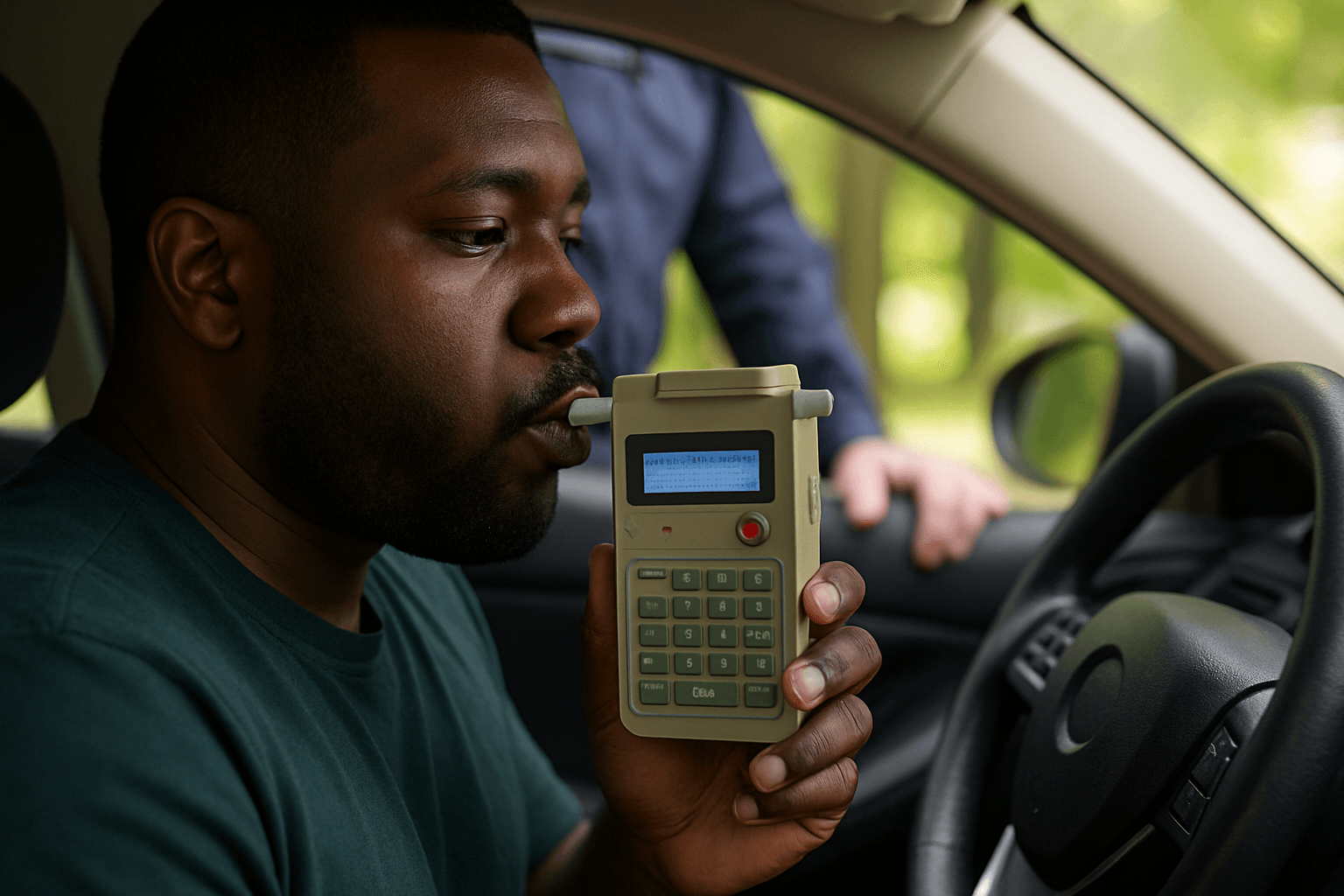
Georgia's 2024 Ignition Interlock Limited Driving Permit reform created a faster pathway for first-offense DUI drivers. Under HB 205, you may elect to install an ignition interlock device immediately after arrest and receive a permit without waiting through the administrative license suspension process. This permit requires SR-22 coverage and continuous IID monitoring. The device costs are separate from insurance premiums—installation runs $75 to $150, and monthly monitoring fees range from $60 to $90. If you violate permit restrictions or fail an interlock test, the court revokes the permit and you serve the remainder of your suspension without driving privileges.
Compare Four Non-Standard Carriers Minimum
Request quotes from at least four non-standard carriers that write SR-22 policies in Georgia. Start with Dairyland, Bristol West, The General, and Progressive. Provide identical coverage limits to each carrier: Georgia's minimum liability at a minimum, but consider $100,000/$300,000/$100,000 limits if you own assets a lawsuit could reach. Higher limits cost more monthly but reduce your financial exposure if you cause an accident during the three-year filing period. Non-standard carriers often price higher limits at smaller incremental premiums than standard carriers because their underwriting models assume elevated risk regardless of limit selection.
Most non-standard carriers deliver quotes within 24 to 48 hours. Some require a phone conversation to verify your DUI conviction details and current license status before quoting. Have your Georgia driver's license number, conviction date, and proof of completion for the DUI Alcohol or Drug Use Risk Reduction Program ready when you request quotes. Carriers weight program completion heavily in underwriting—drivers who completed the course before applying typically receive lower premiums than those who have not. If you have not yet completed the program, complete it before requesting quotes. The $355 program fee is a one-time cost, and the premium reduction across three years usually offsets the upfront expense within six months.